
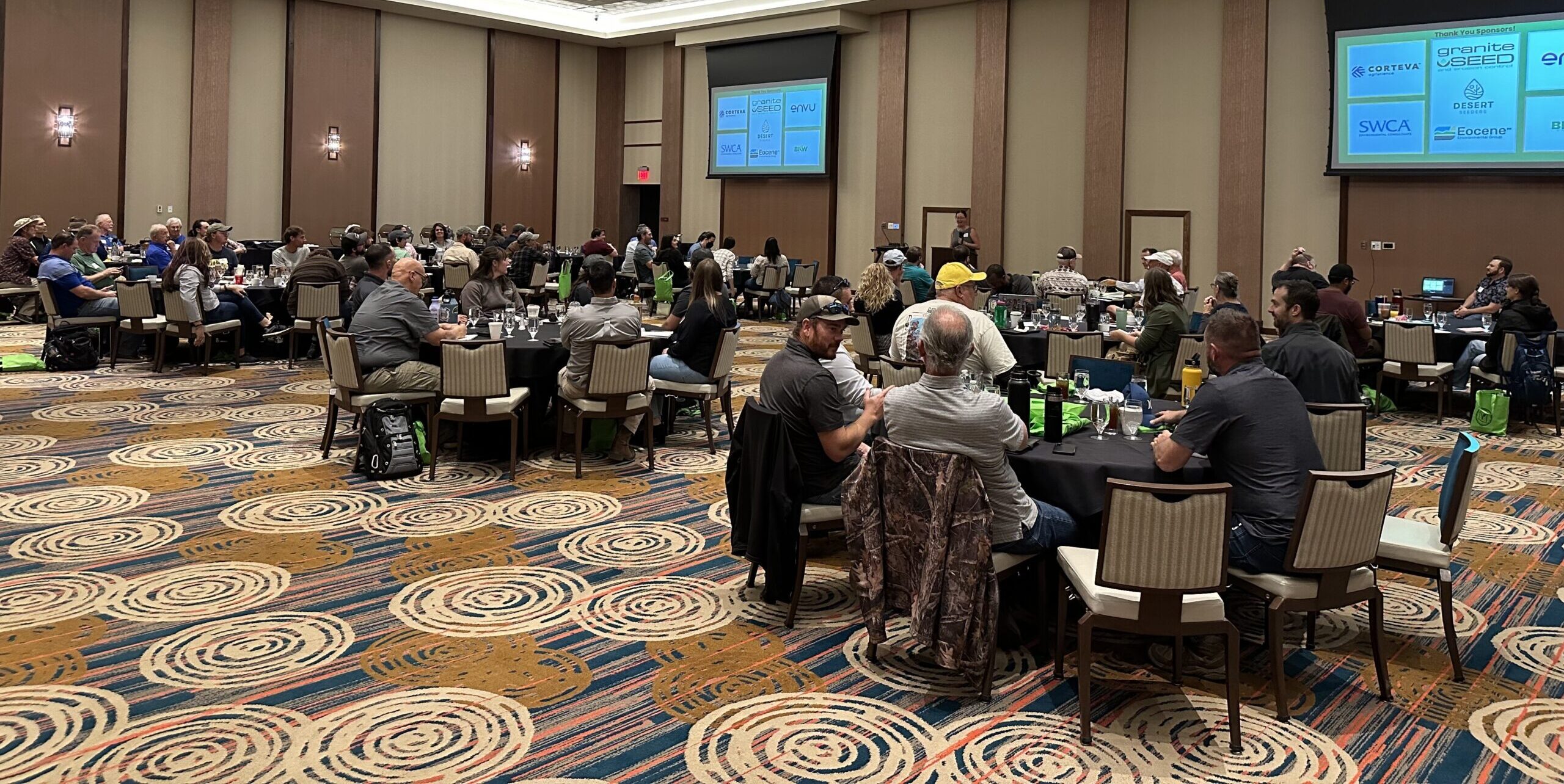
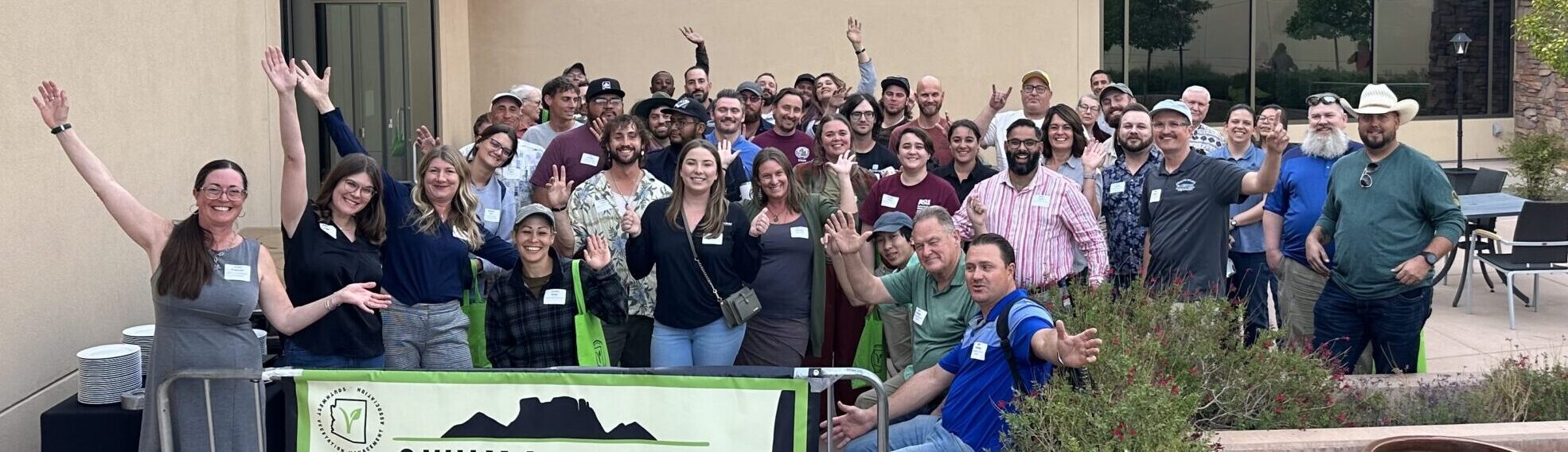
The 2024 Workshop was held in Camp Verde, Arizona.
This event took place in the high hills of Camp Verde, Arizona on October 24th and 25th, 2024.
The focus of this event was to highlight the importance of maintaining the health of Arizona’s waterways, specifically the Verde River. Several presentations were given on Day 1 which featured wetland restoration, removal of invasive semi-aquatic plants such as salt cedar, giant reed, and Tree of Heaven among others, and investigated treatment approaches within such a delicate ecosystem.
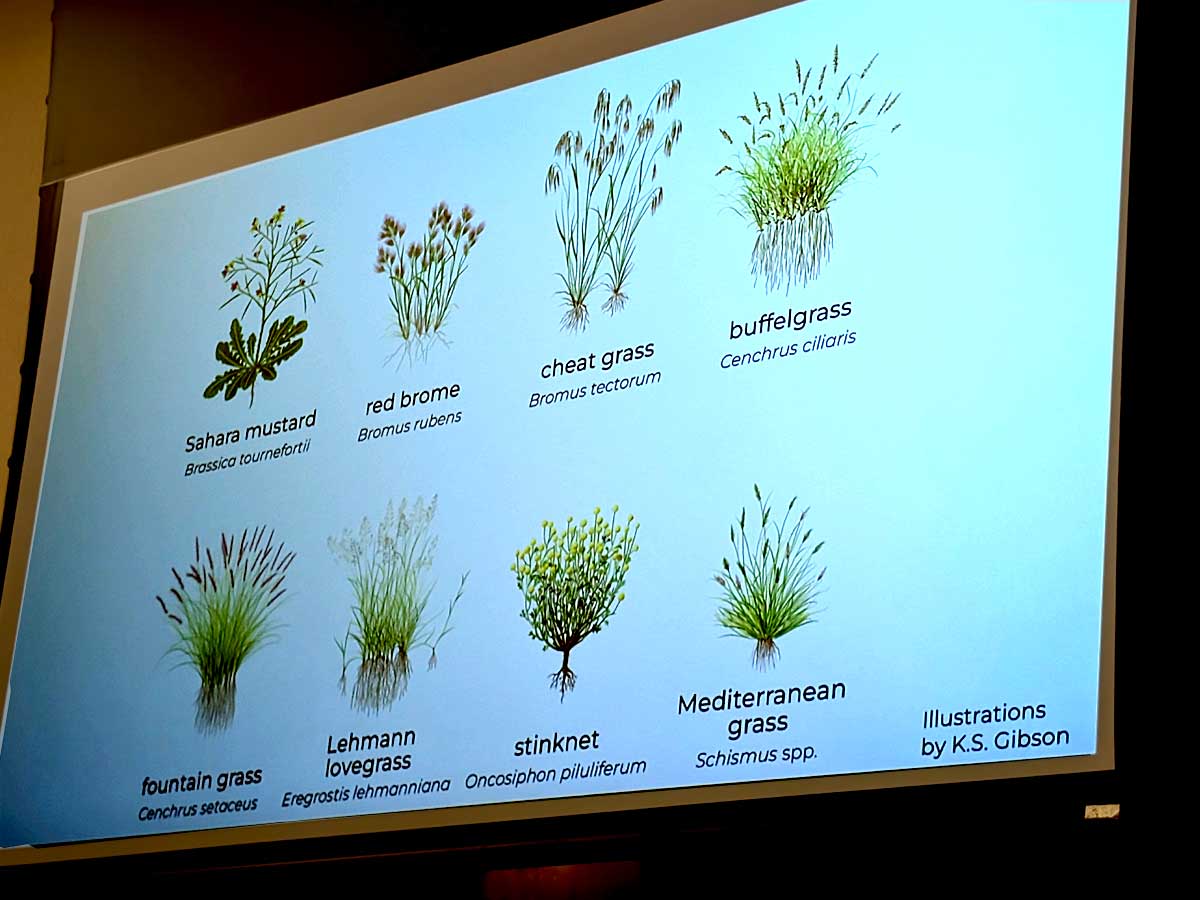
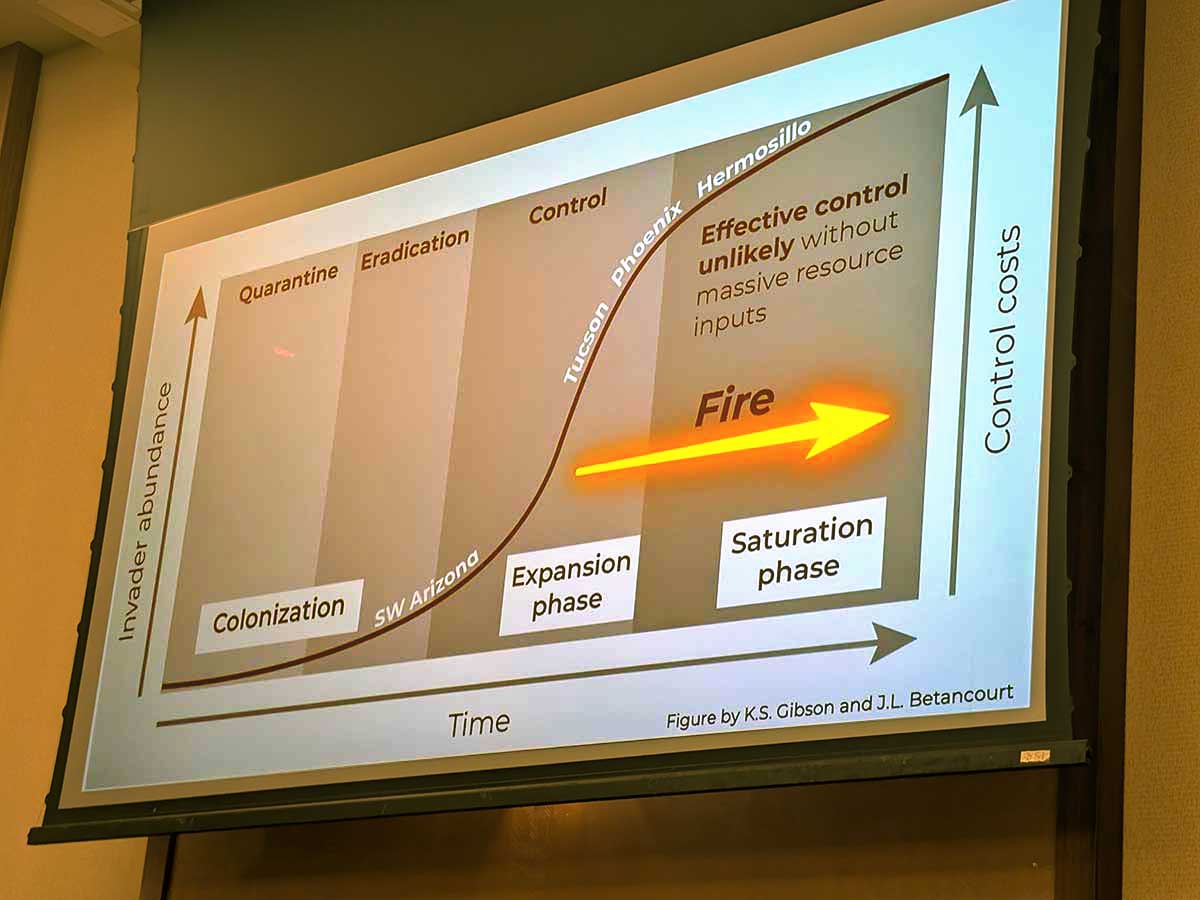
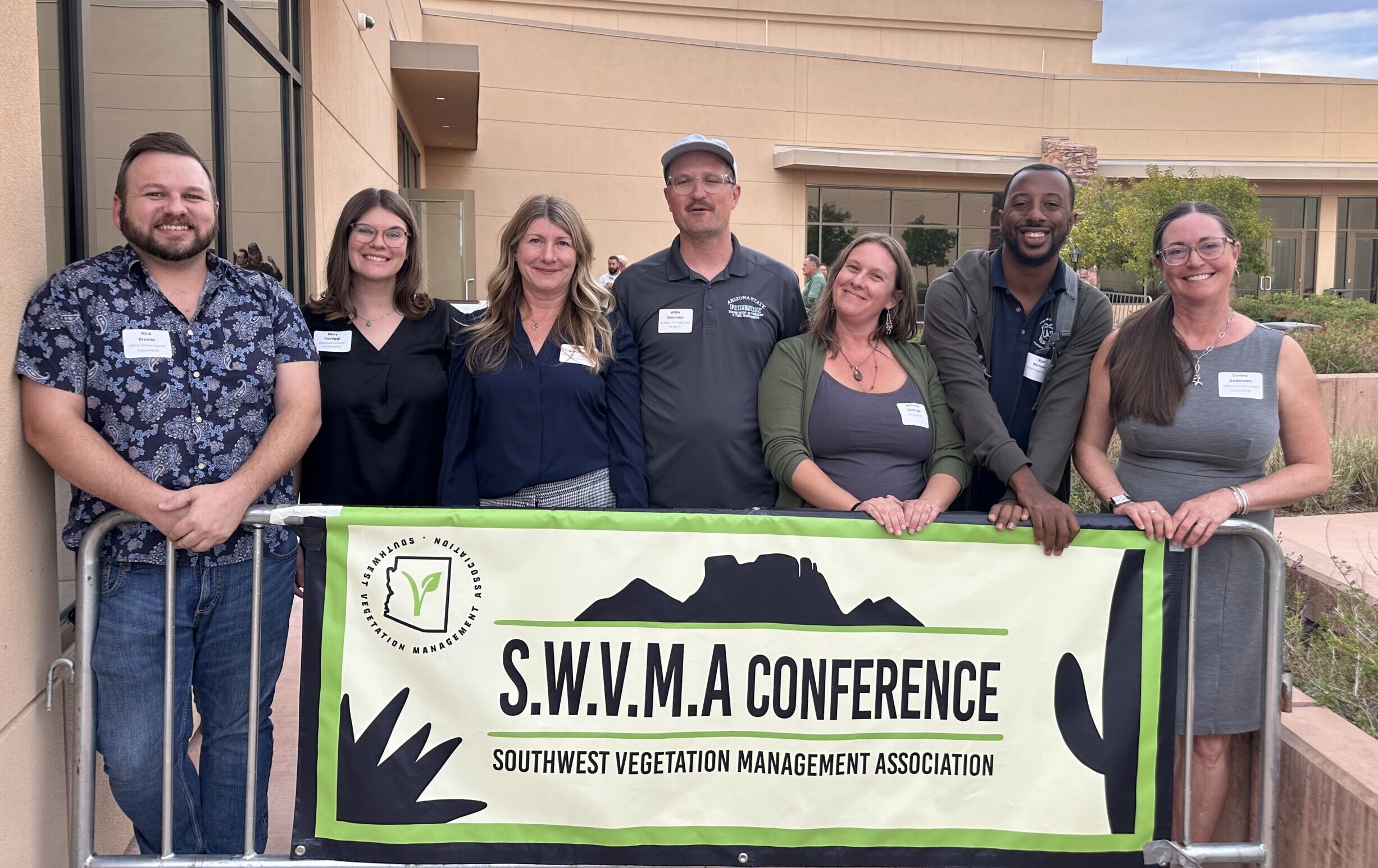
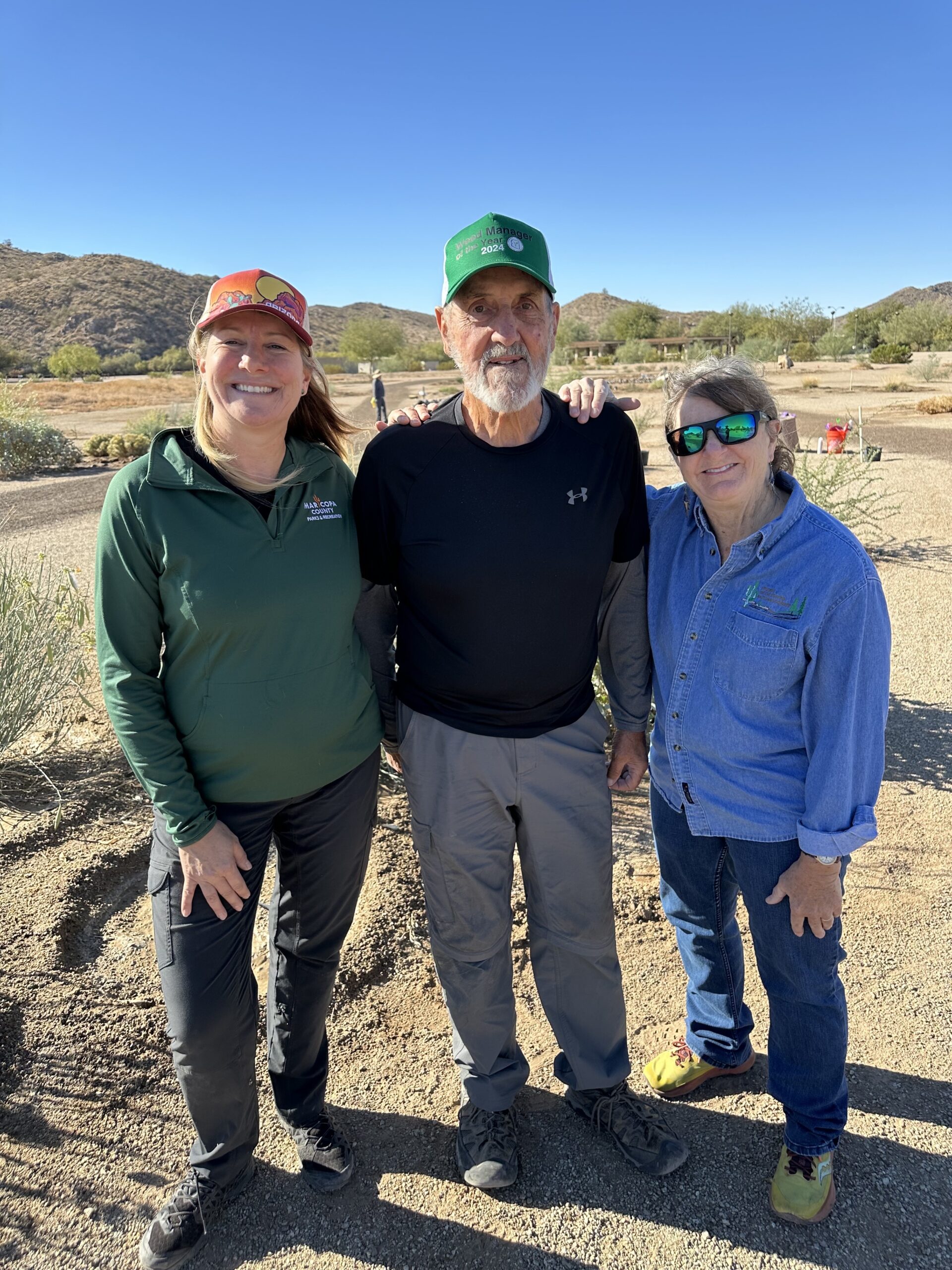
Day 2 of this event started with a tour of an invasive plant treatment site along the Verde River. At White Bridge Picnic Area participants were introduced to the vegetation commonly found along the Verde River. This included a number of native tree species, and many invasive species and noxious weeds such as Arundo (giant reed), salt cedar (tamarisk), Tree of Heaven, and others. Treatment approaches and methods were also discussed in addition to plant identification.
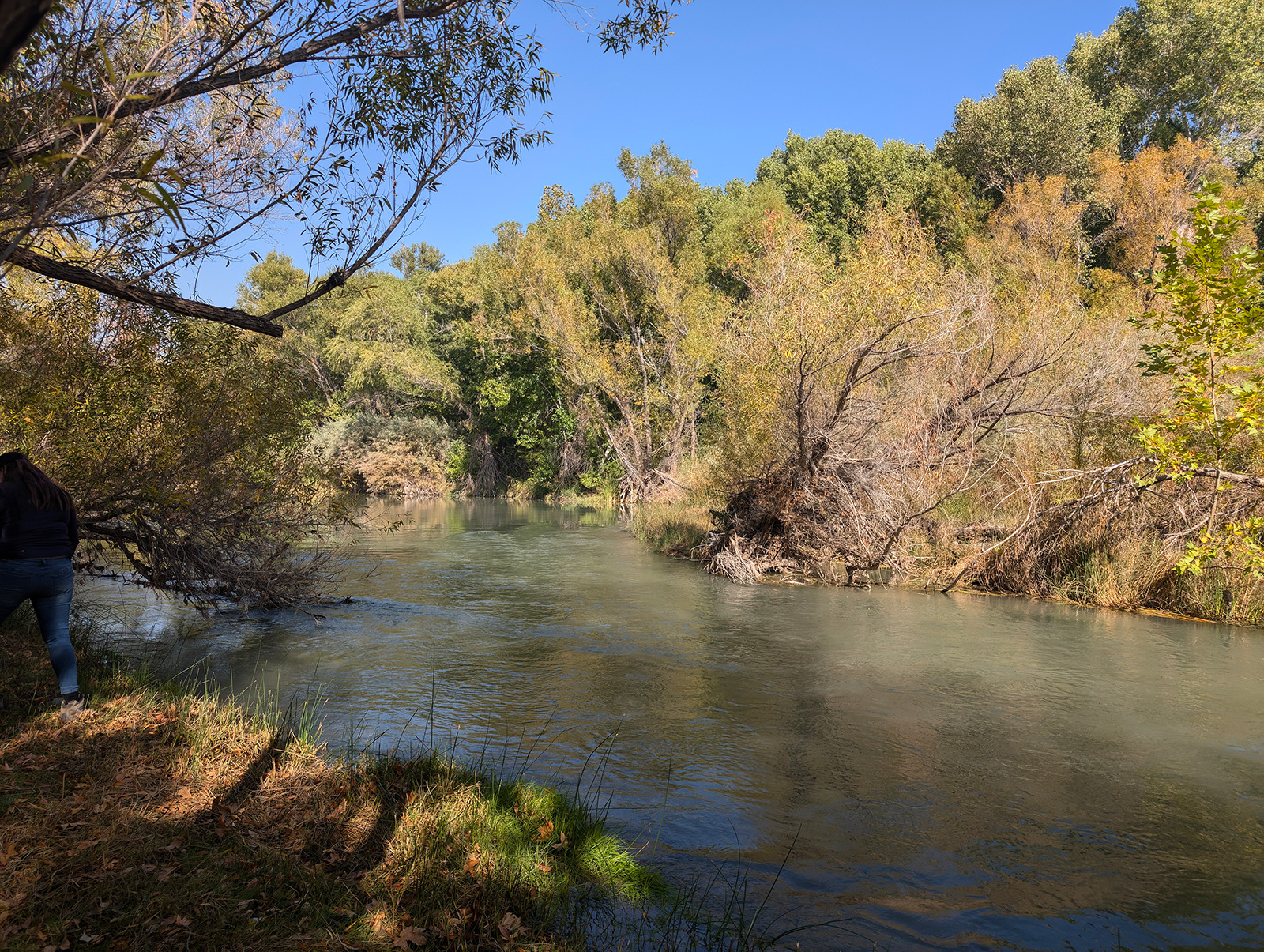
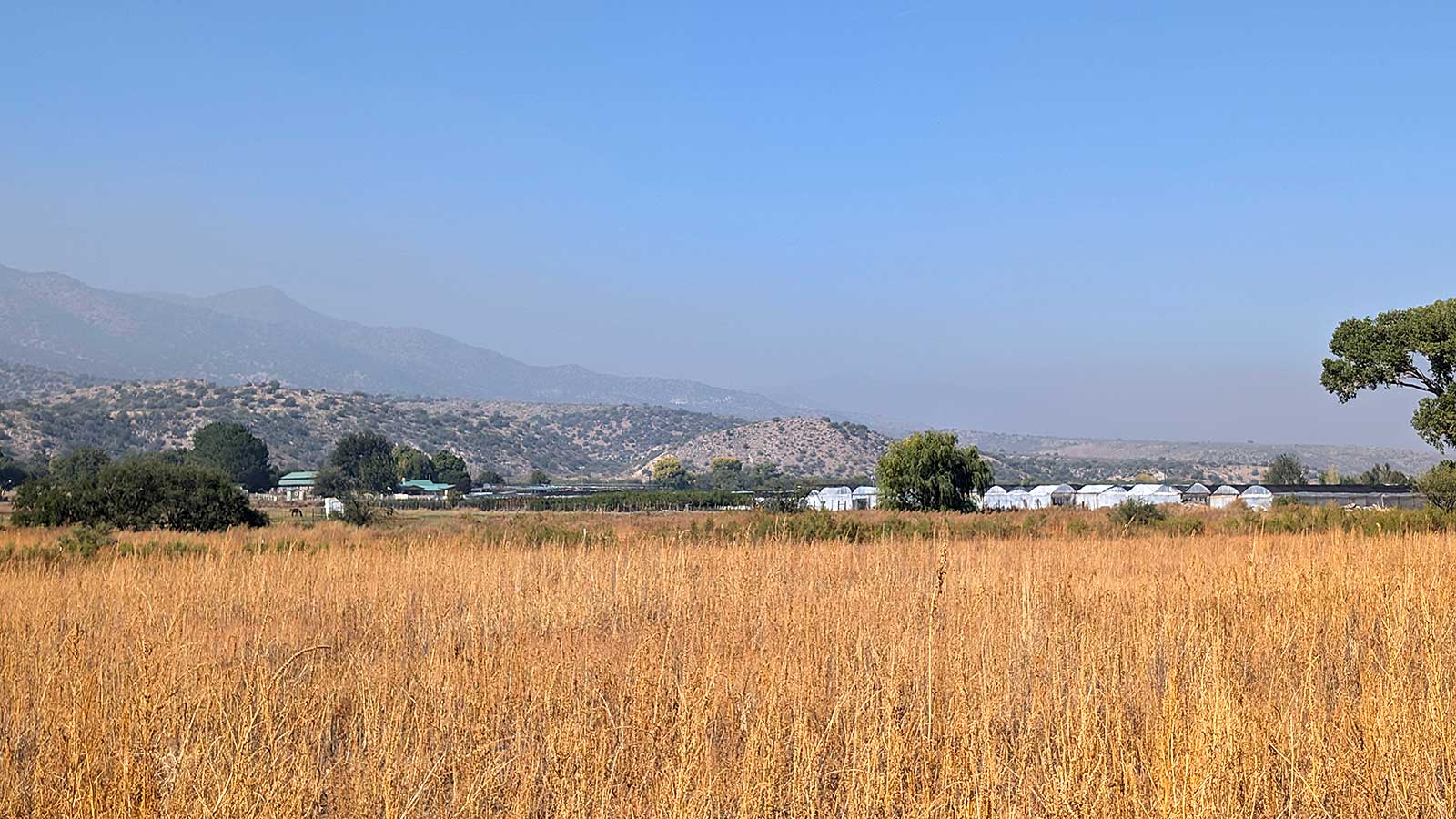
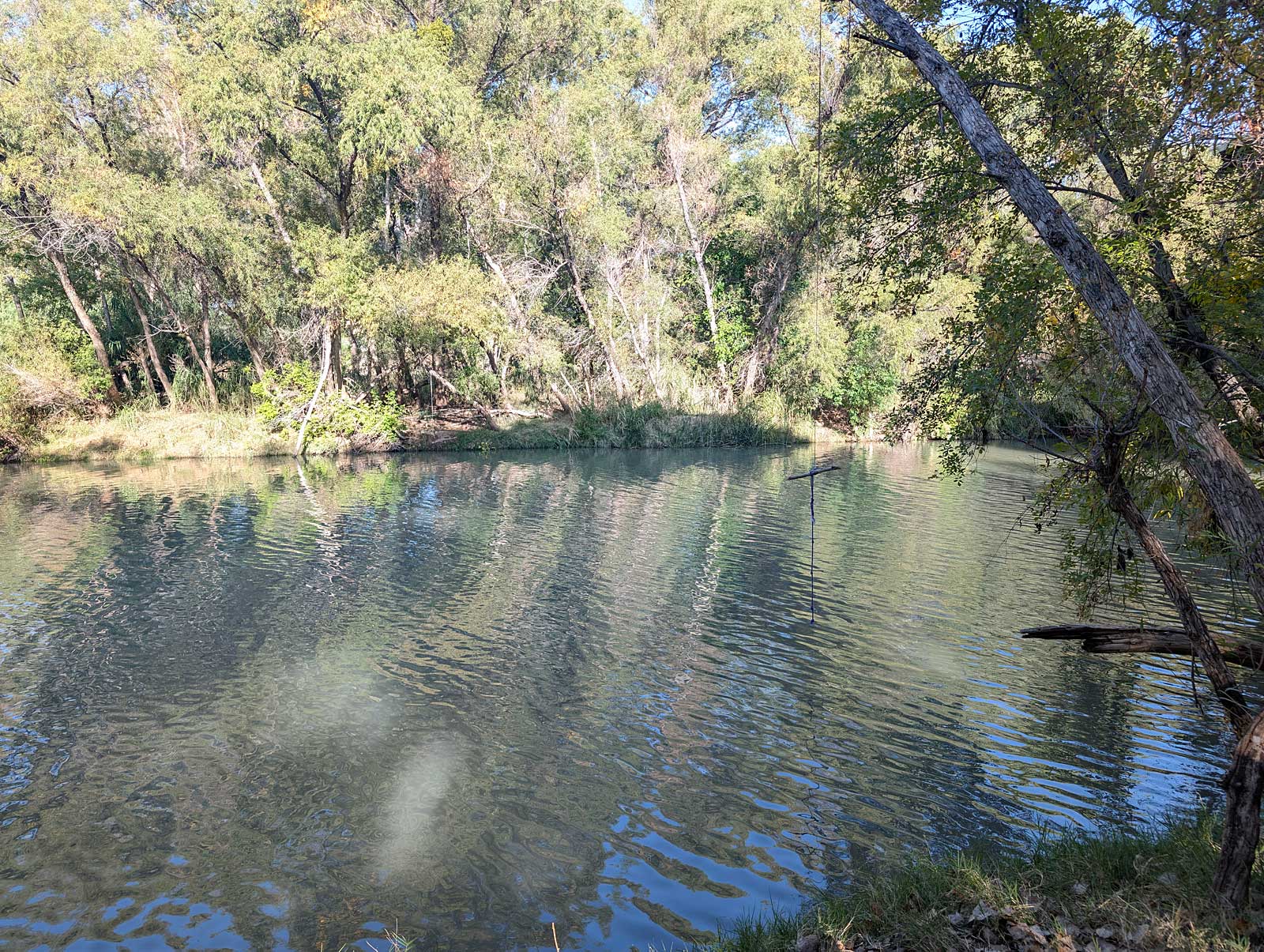
Following the Verde River tour, the field trip concluded with a visit to the Rockin’ River Ranch State Park. This park is approximately 210 acres located at the confluence of West Clear Creek and the Verde River. The state park was opened and dedicated in February 2024, and is home to a mature mesquite bosque, flood-irrigated pastures, and portions of the 100 year floodplain. The Verde Irrigation Ditch passes through the park and is available for flood-irrigating pasture lands. Moreover, the park contains aquatic habitat and cottonwood-willow riparian vegetation along a one-mile stretch of the Verde River.
A note to honor the indigenous history of our hosts in Camp Verde.
Camp Verde, Arizona is deeply interconnected with the Yavapai-Apache Nation, who have occupied the central Arizona landscape for centuries. This region is characterized by early ancestral cliff dwellings, including the famous Montezuma Castle and Montezuma Well, which is estimated to have been built by the Southern Sinagua people around 1125 AD.