
2025 Conference in the Sonoran Desert landscape of Tucson, Arizona
Training Conference 2025
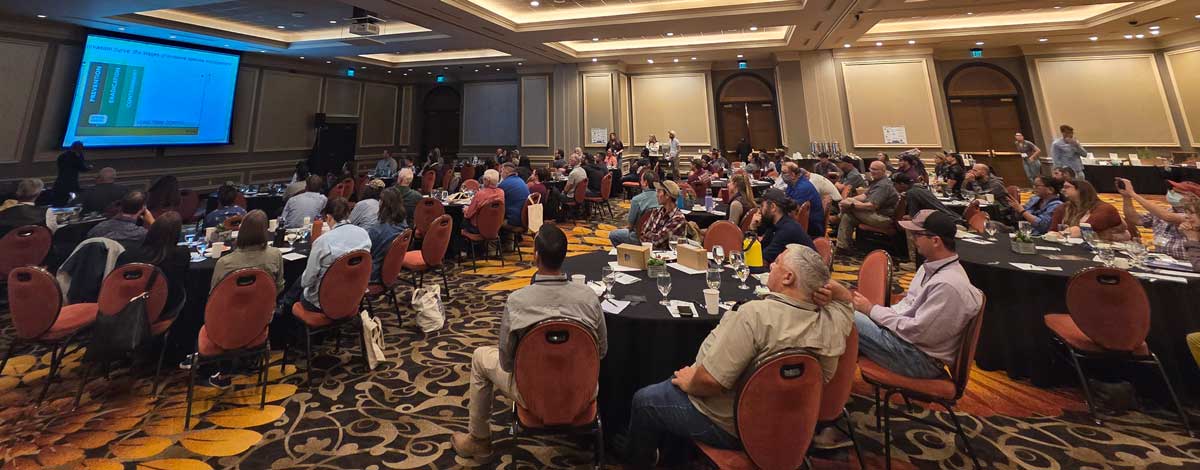
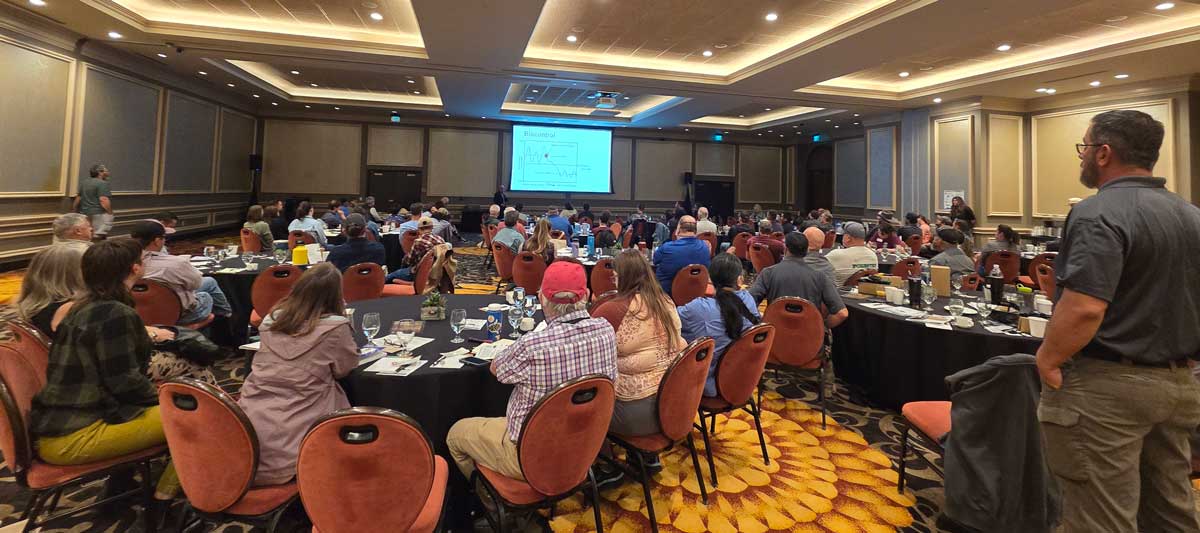
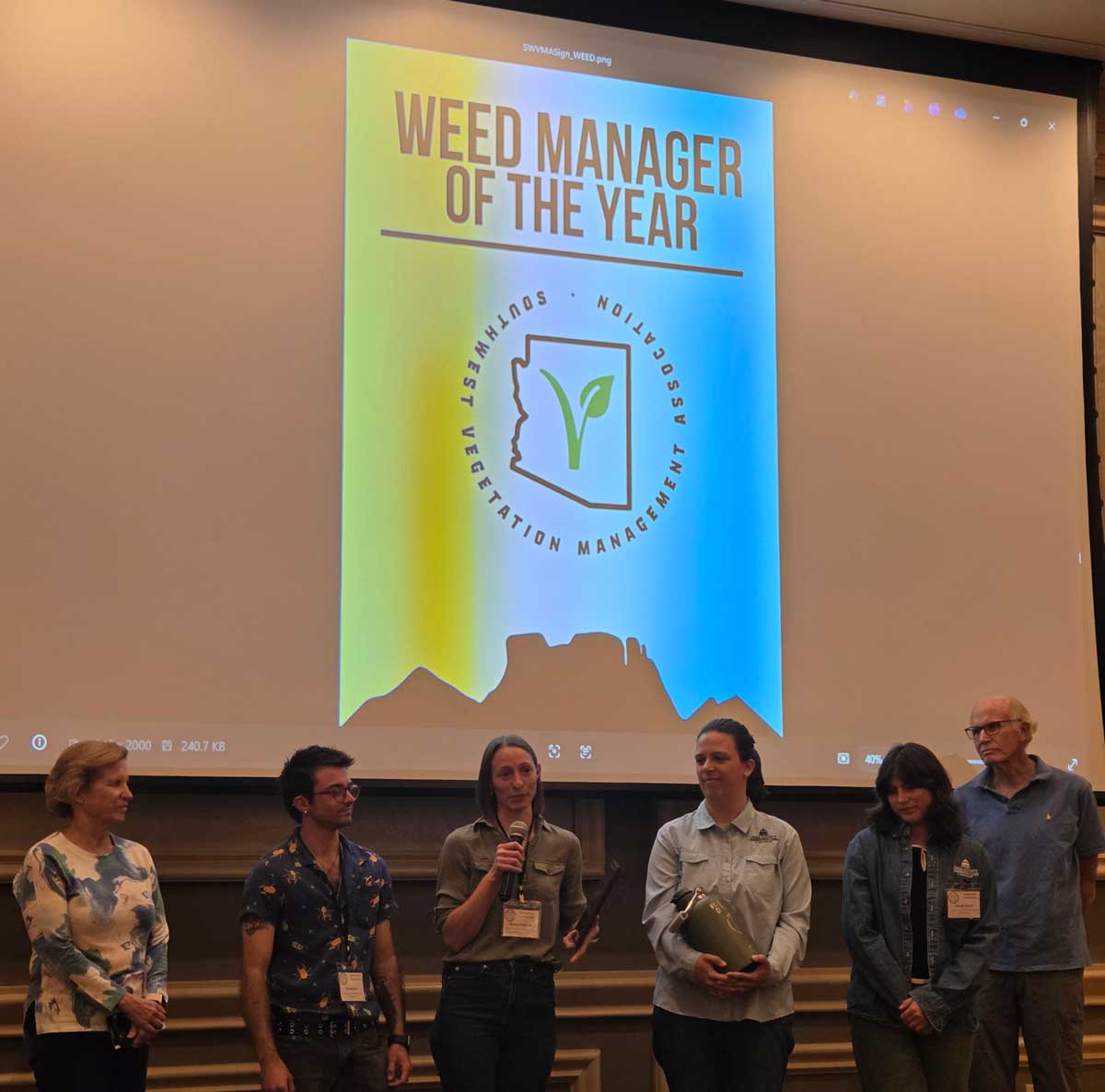
This training event took place in the beautiful Sonoran Desert landscape of Tucson, Arizona on November 6th and 7th, 2025.
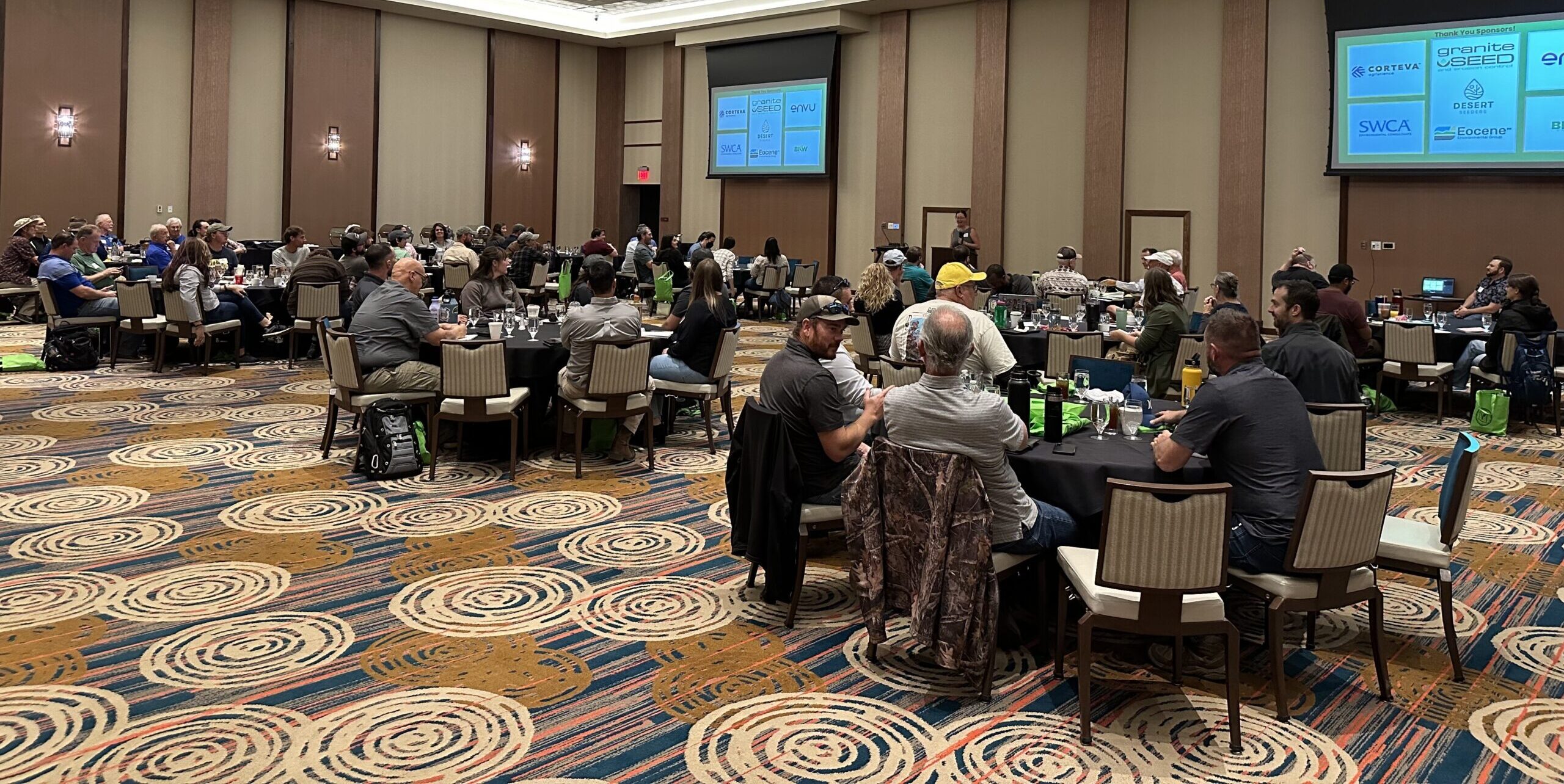
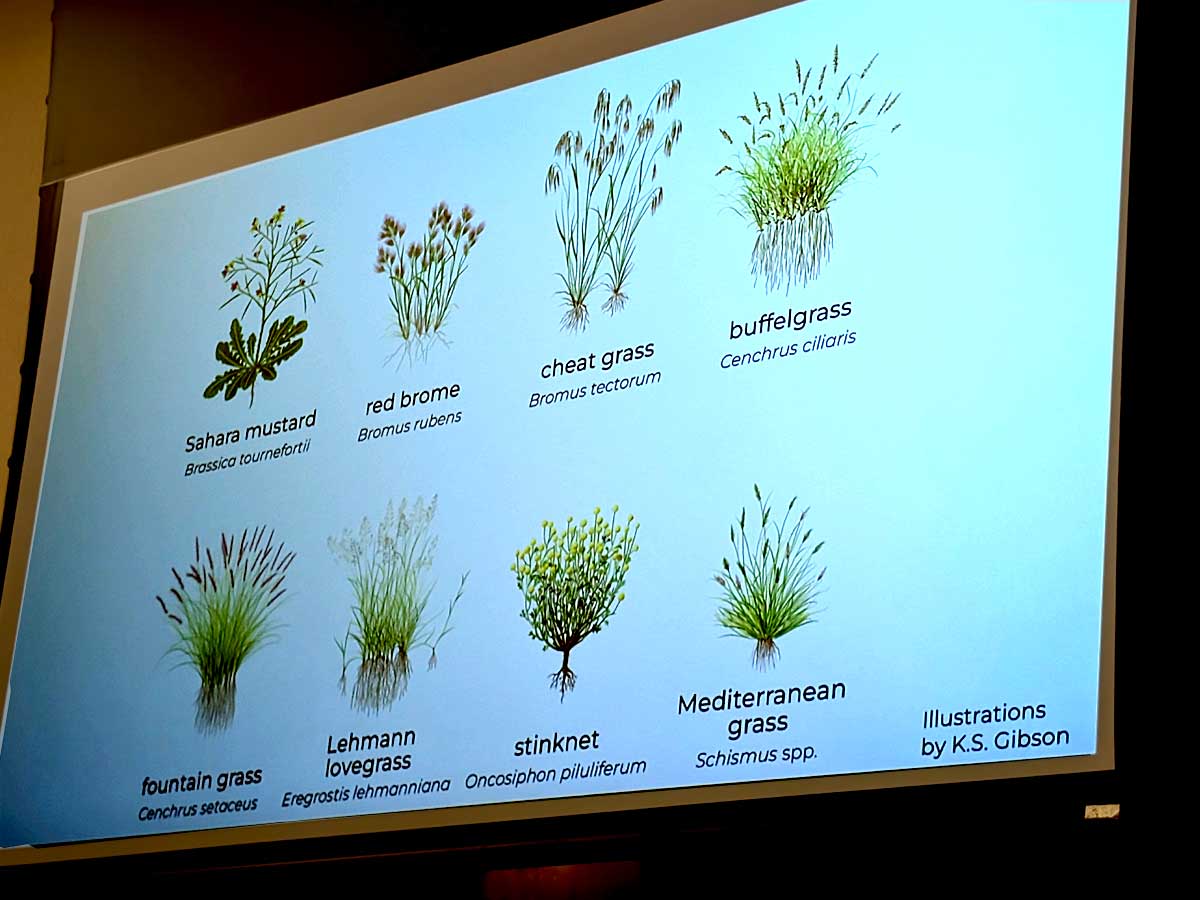
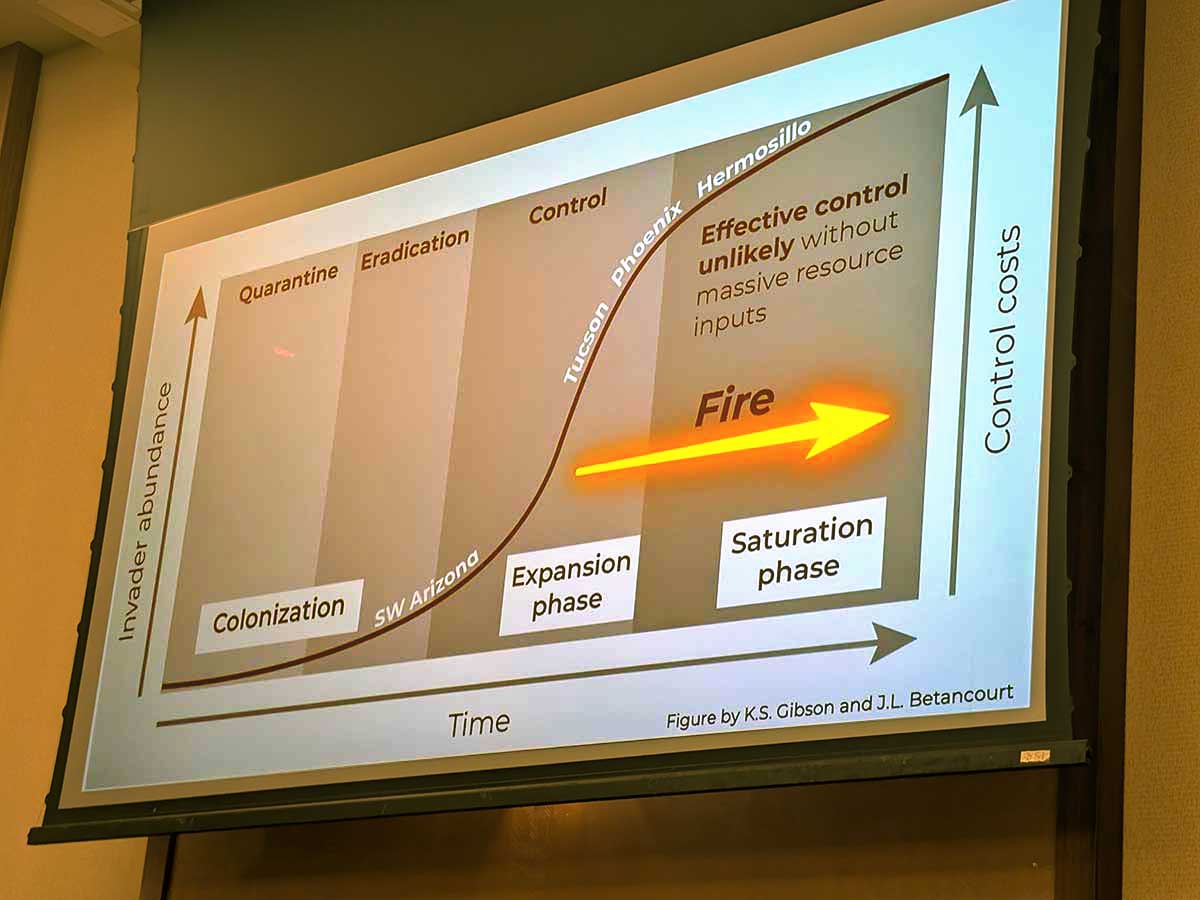
Day 1 of this training focused on the challenges from management of some prolific invasive grasses and forbs within the southern Arizona region, including buffelgrass (Cenchrus ciliaris), yellow bluestem (Bothriochloa ischaemum), and stinknet (Oncosiphon pilulifer). Several presentations also highlighted the rewarding results from innovative plant management such as simulated grazing, native habitat preservation, and provided essential information on pesticide application techniques.
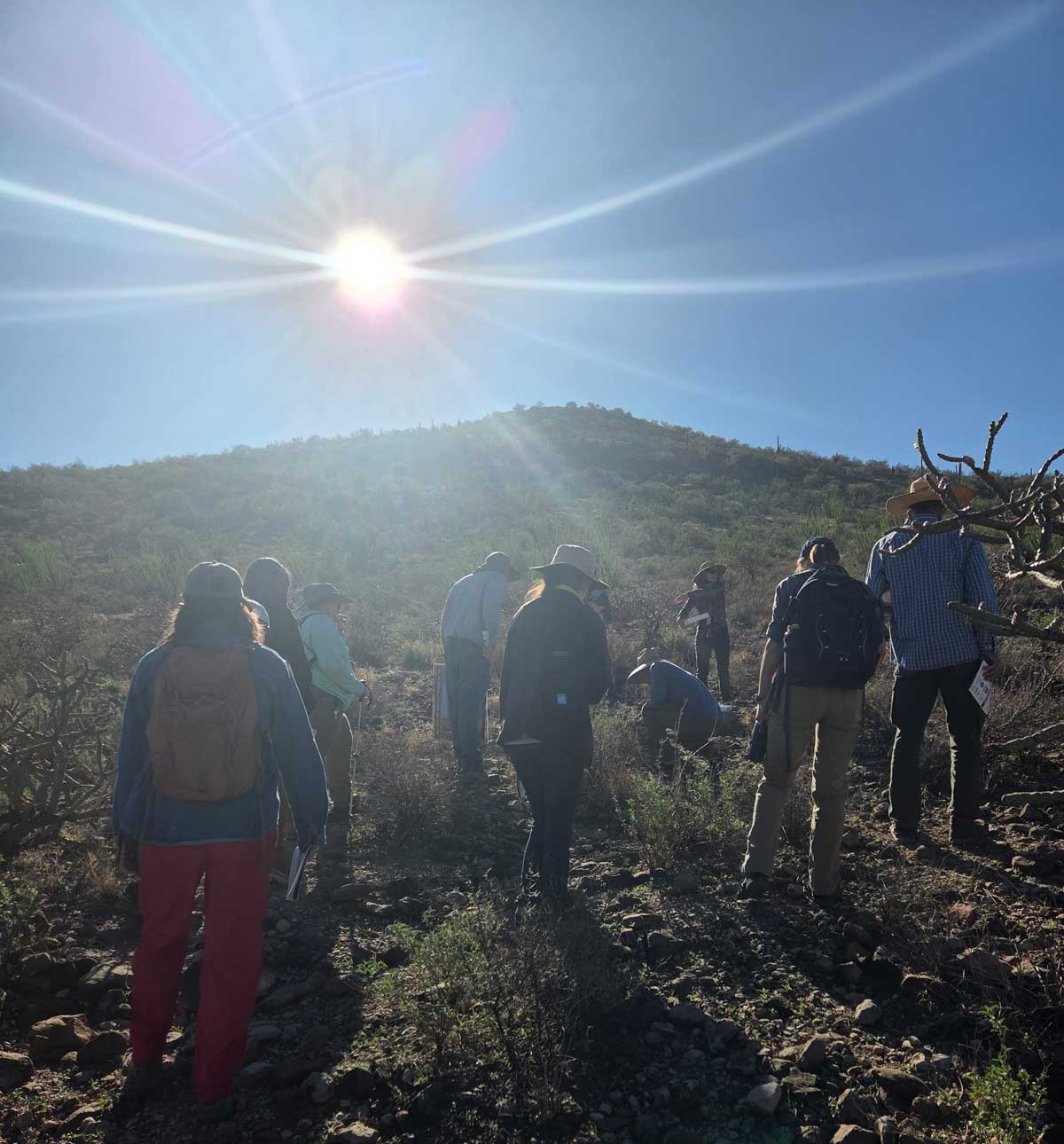
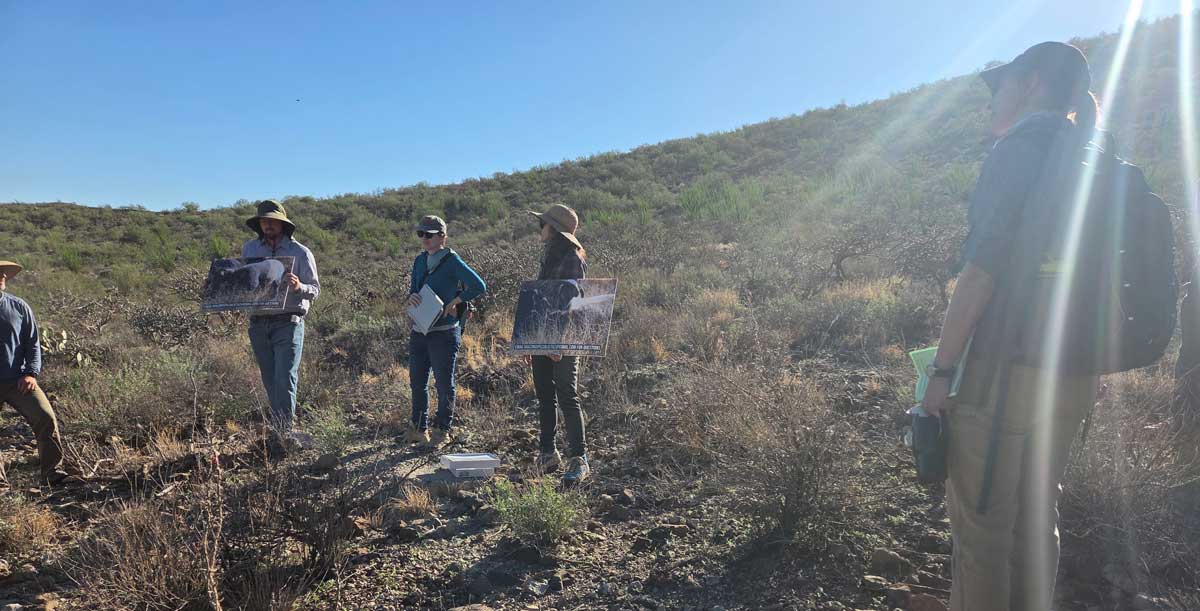
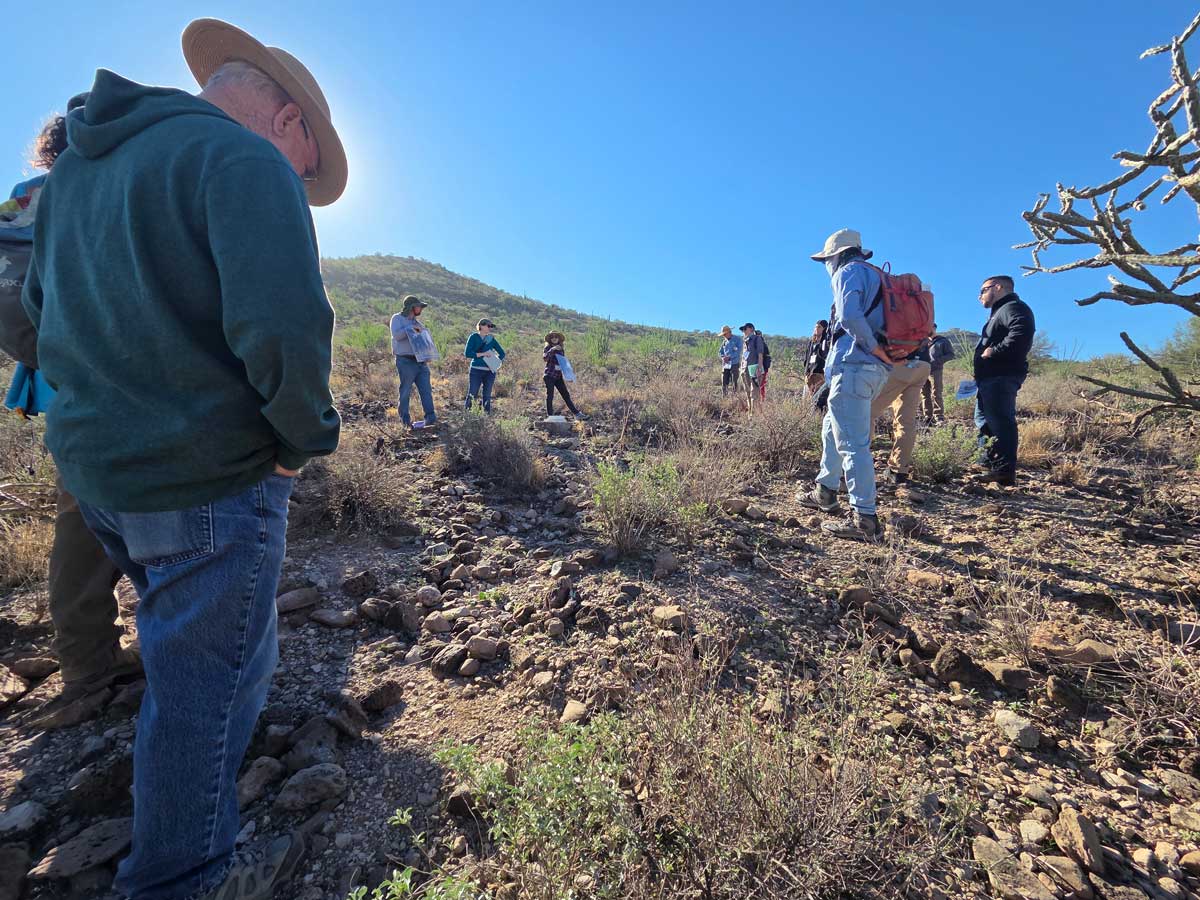
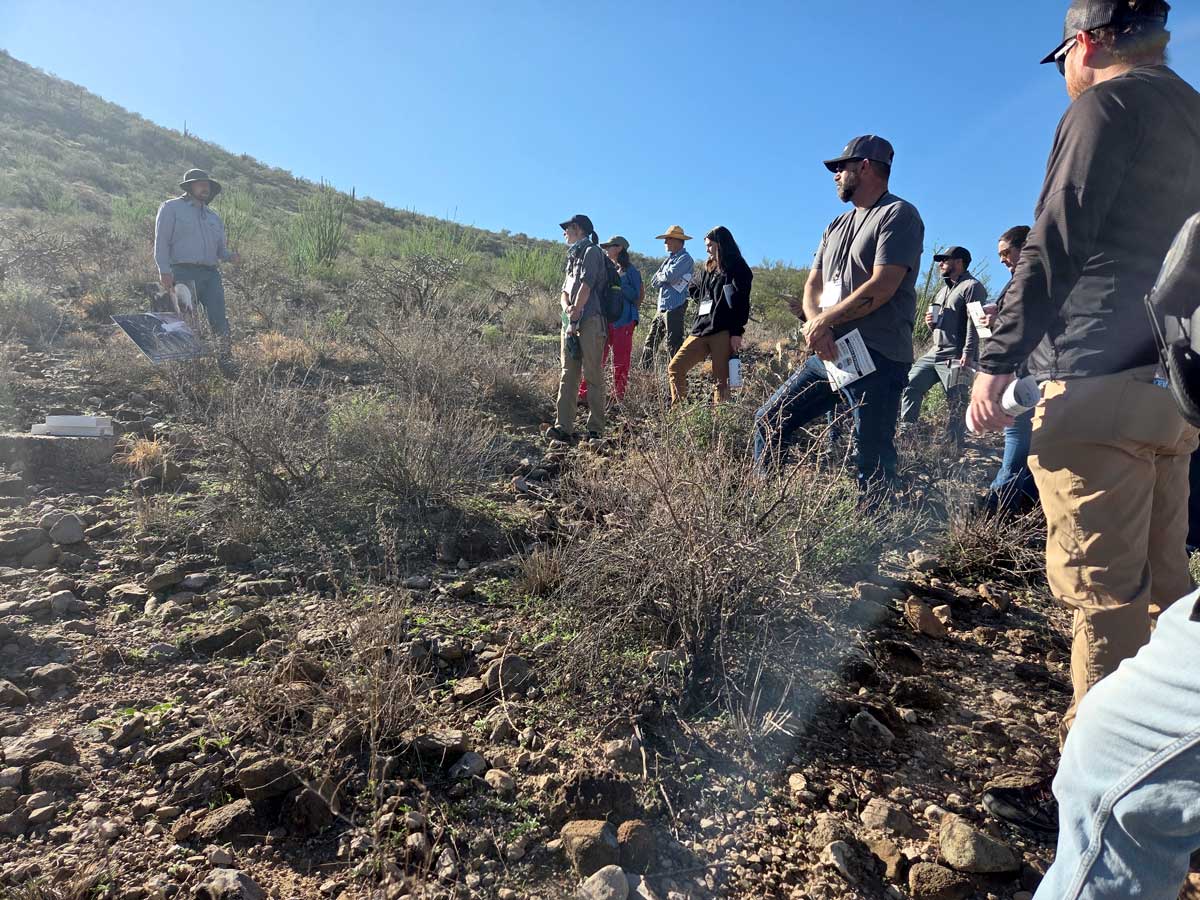
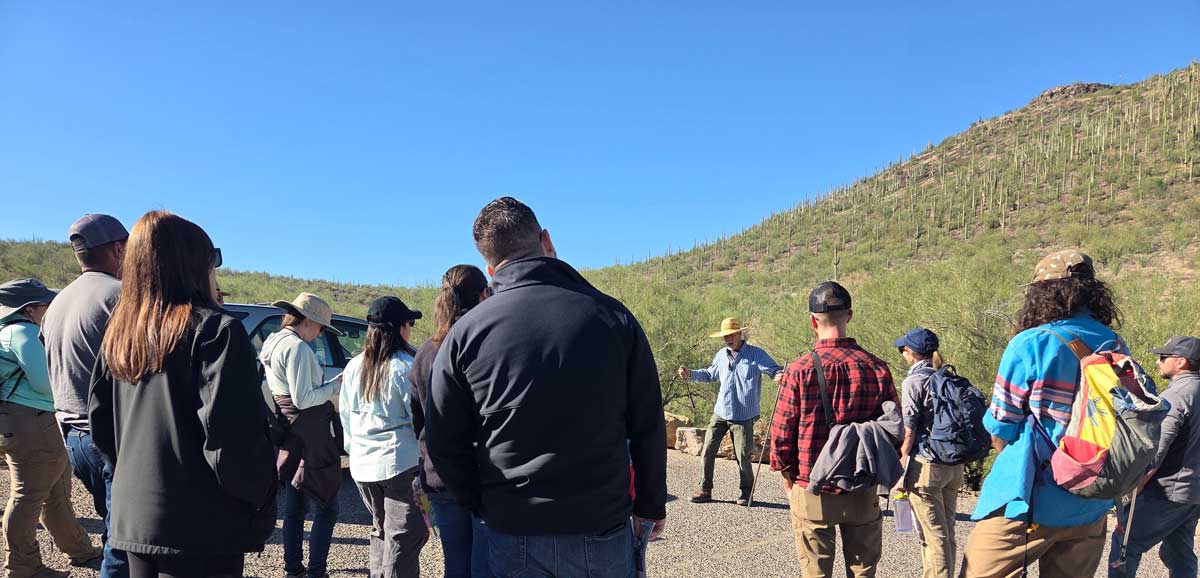
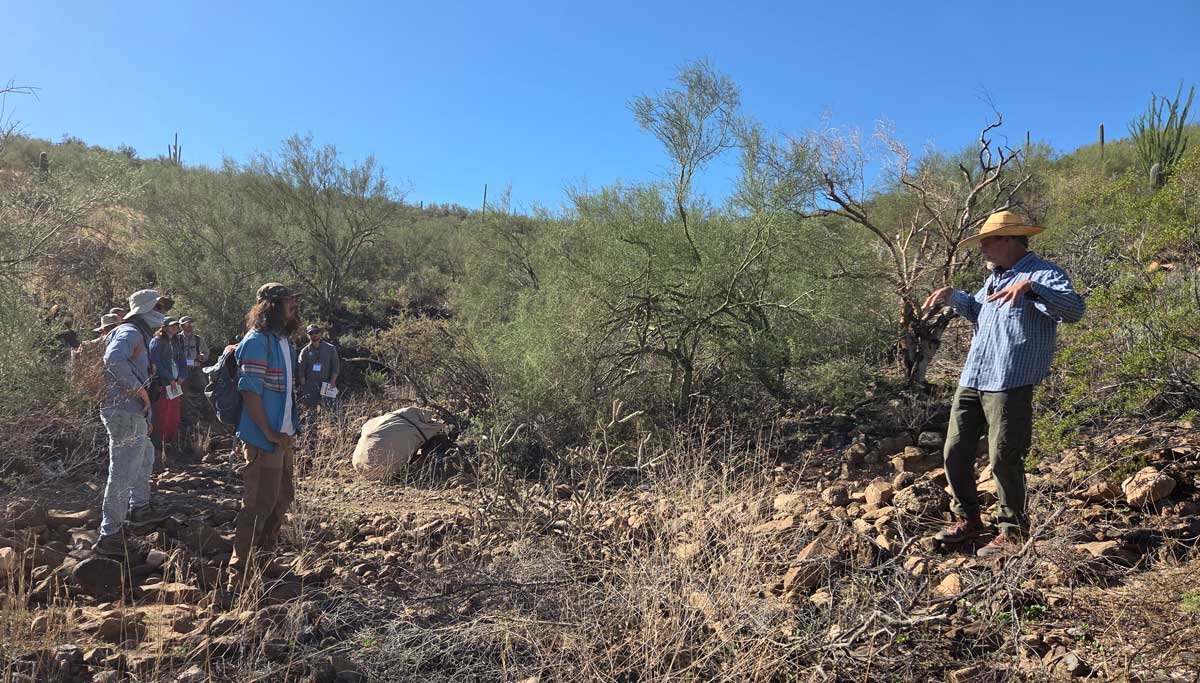
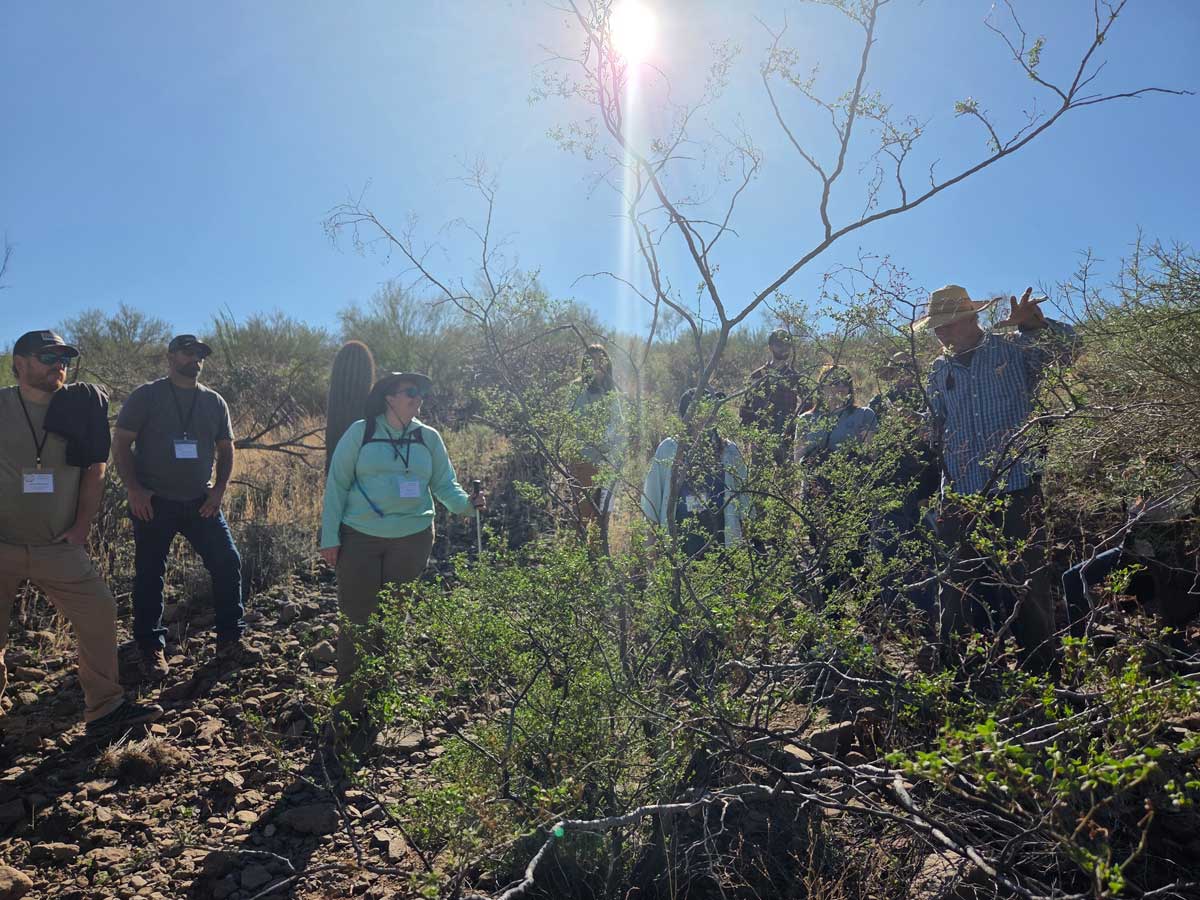
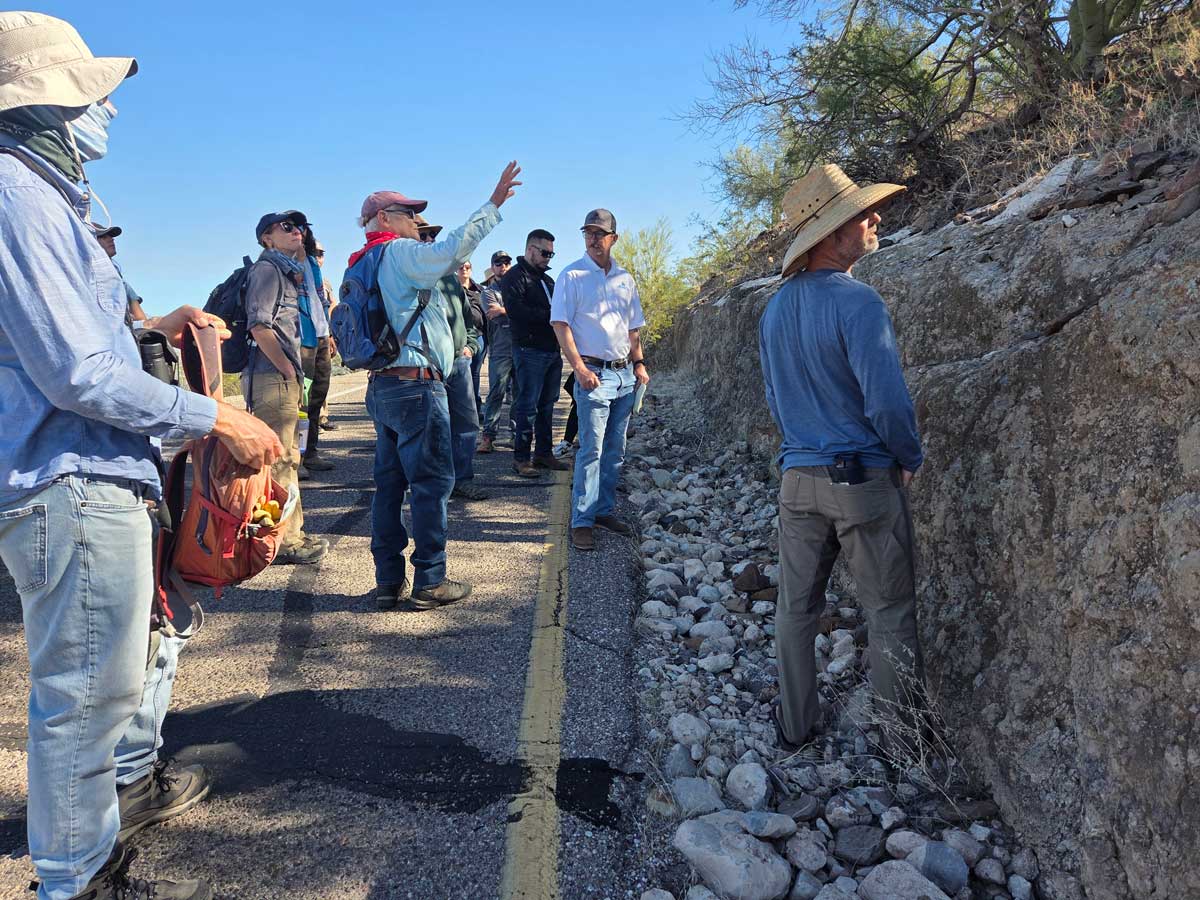
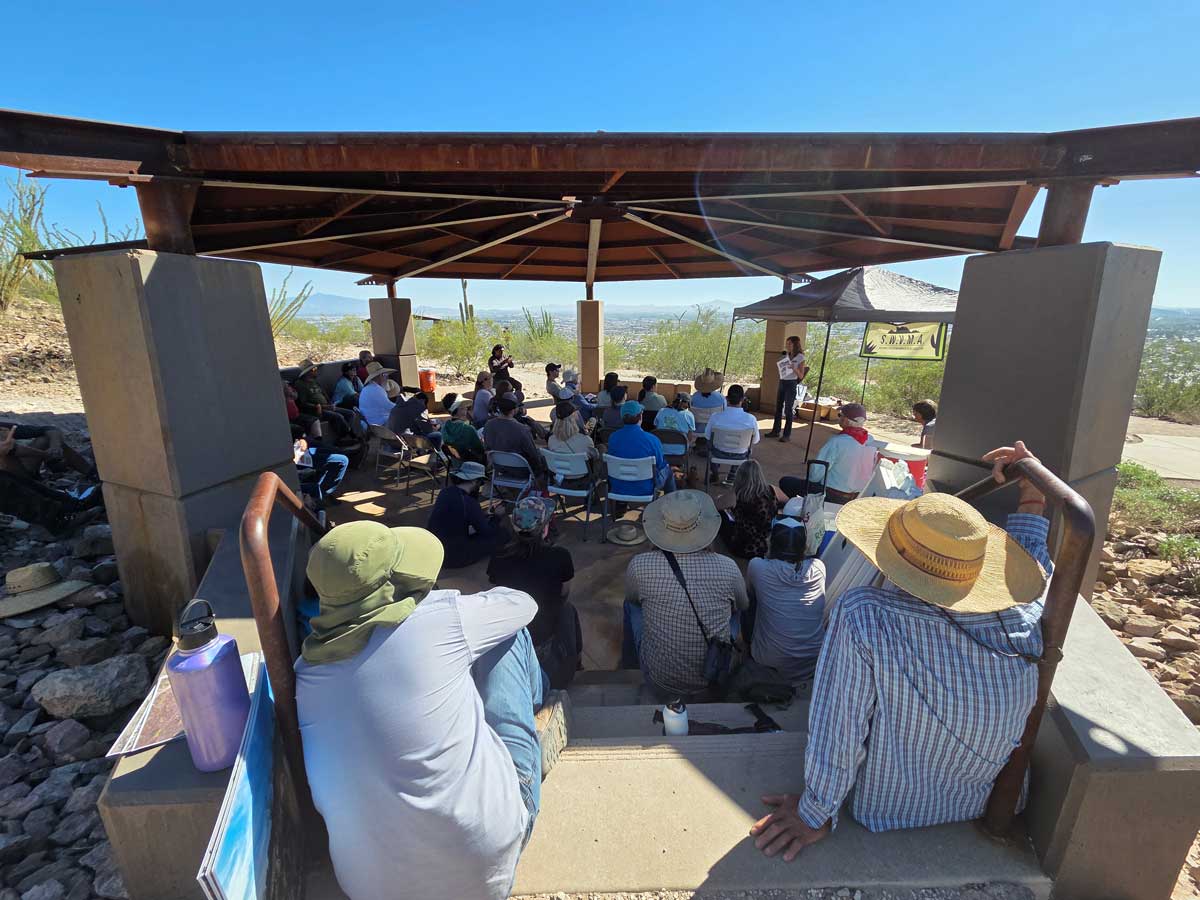
This training concluded on Day 2 with a field trip to Sentinel Peak located at A-Mountain in the heart of Tucson. The field trip demonstrated the success of mechanical removal of buffelgrass and stinknet within the park. The local plant community on A-Mountain is made up of primarily Paloverde-cactus-mixed scrub series of the Arizona Upland, Sonoran Desertscrub. Visually dominant plant species are Foothill Palo Verde (P. microphylla), Brittlebush (E. farinose), Creosote Bush (L. divaricata subsp. tridentata), Saguaro (C. gigantea), Ocotillo (F. splendens), Velvet Mesquite (P. velutina), Arizona Fishhook Barrel Cactus (F. wislizeni) (Turner, Bowers, and Burgess, 1995, and Felger, 2000), plus great diversity of shrubs, native grasses, and herbaceous plants appearing dependent on rainfall.
A thoughtful note on the Indigenous History of A-Mountain:
The Tucson Mountains and surrounding Santa Cruz Valley have a rich archaeological history, with earliest known human artifacts and footprints dating back 6000 years. Beginning ~4800 years ago the Hohokam, ancestors of the Tohono O’odham people, initiated farming in the then perennial, flowing Santa Cruz River valley. Their agricultural practices evolved to include large areas of irrigation canals dating back to approximately 3,000 years ago. Tumamoc Hill preserves regionally unique “trencheras” with stone walls encircling the hilltop. The area holds extensive evidence of agave roasting pits, petroglyphs, pottery fragments, and other relics. The Tohono O’odham and Pascua Yaqui people continue to reside here.
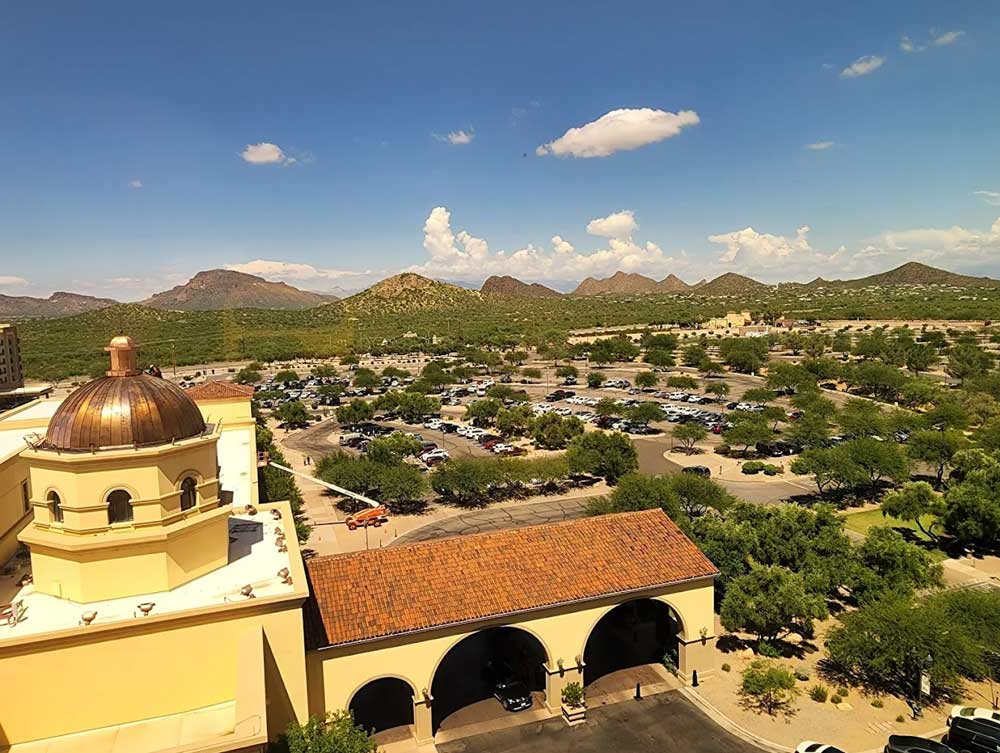
The 2025 Workshop was in Tucson
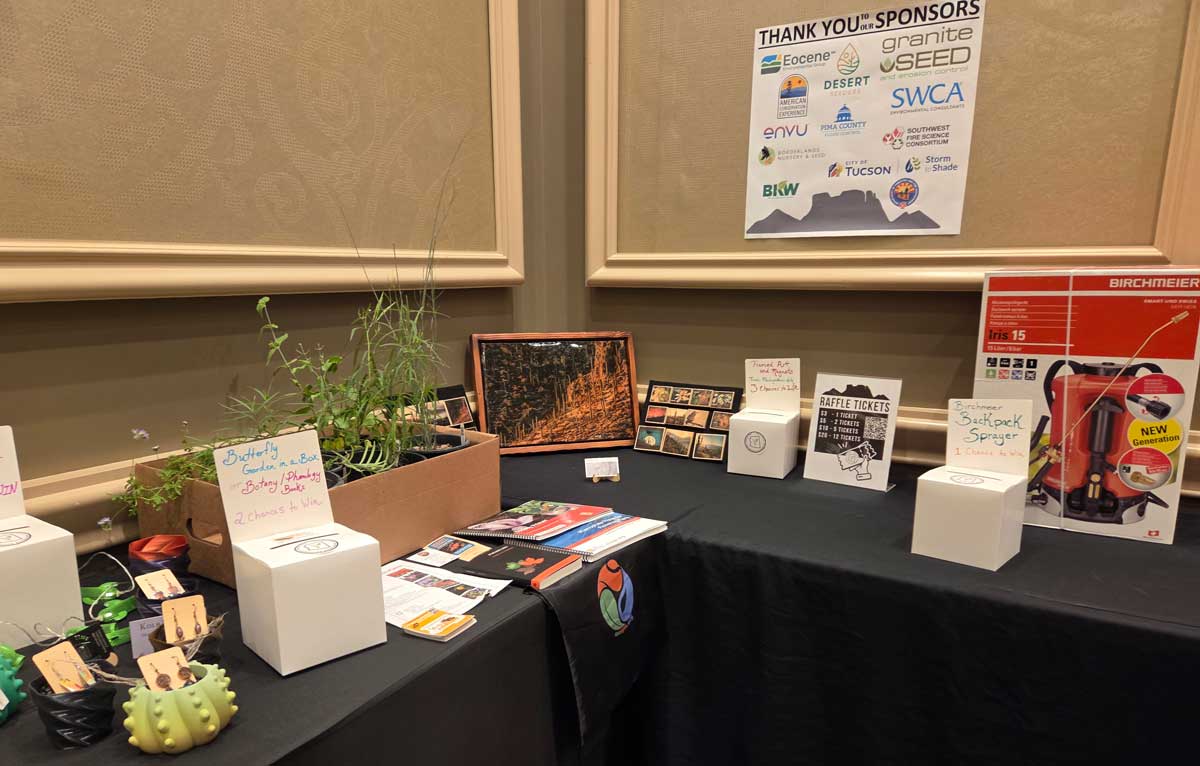
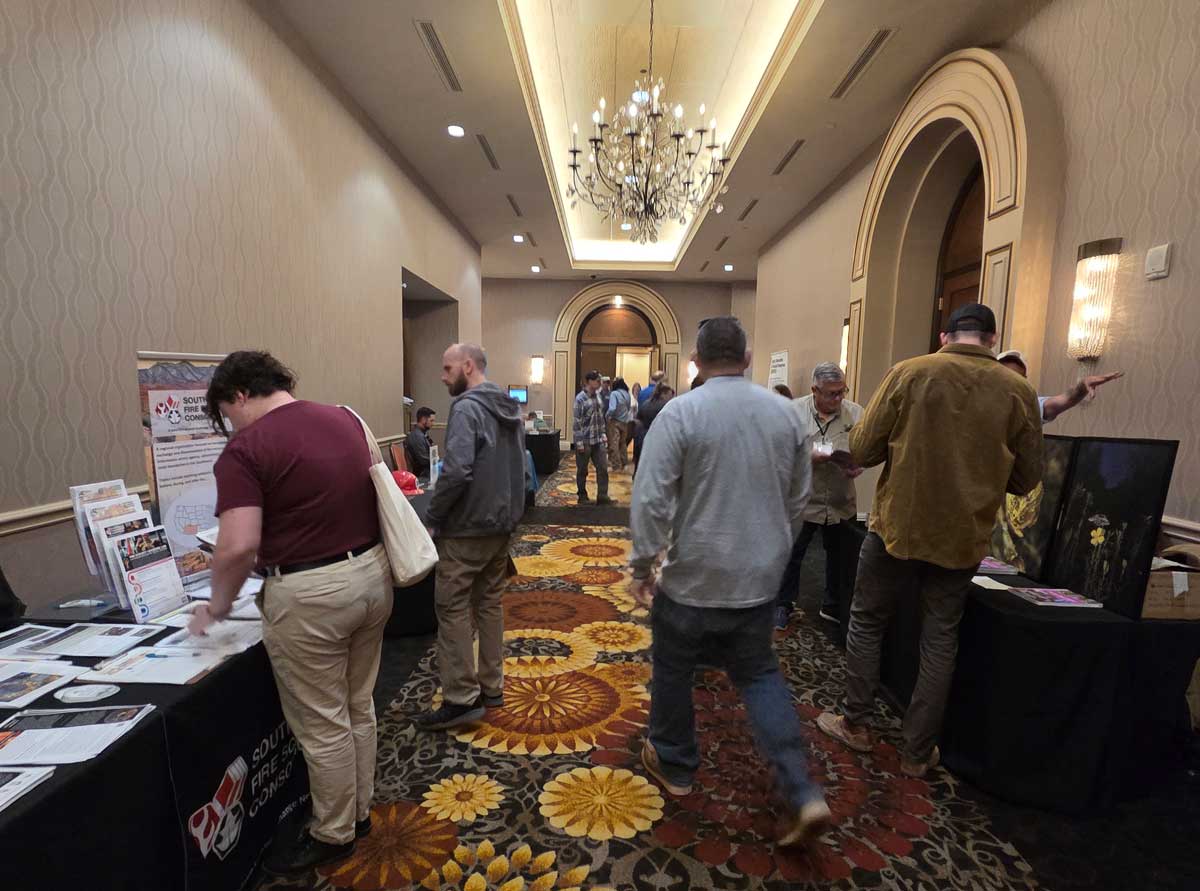
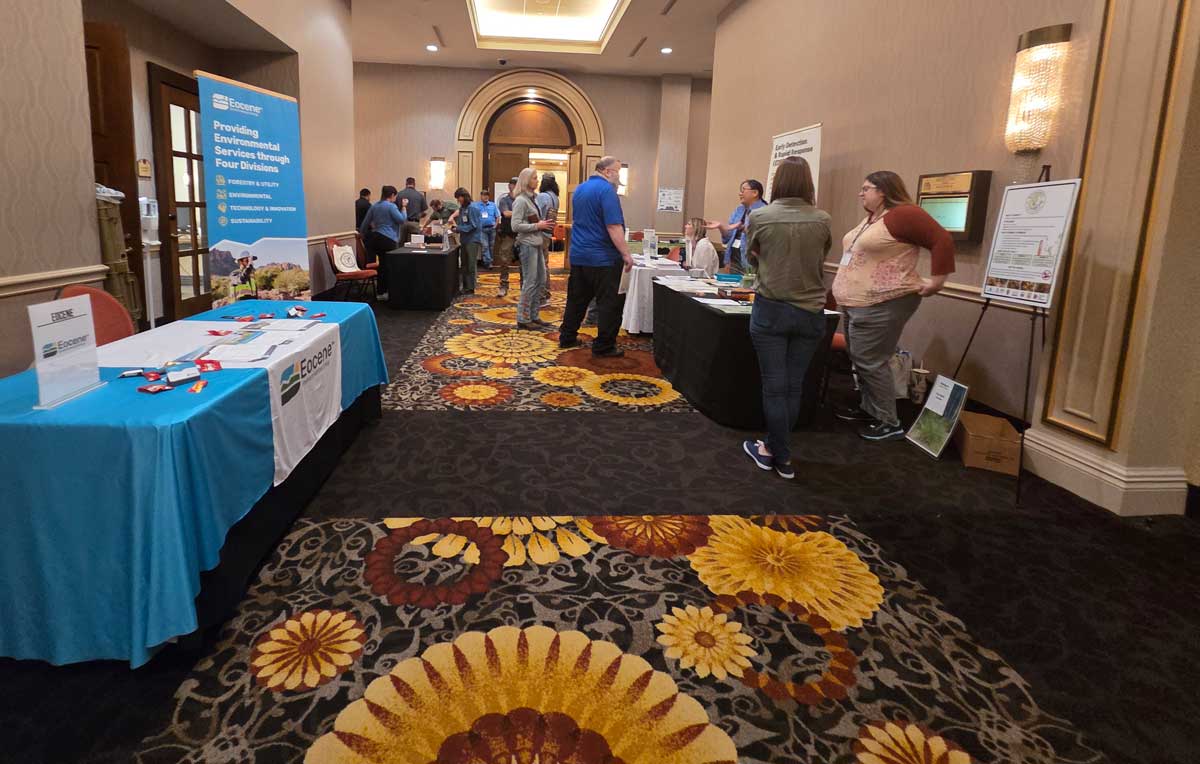
2024 Conference at Camp Verde
The 2024 Workshop was held in Camp Verde, Arizona.
This event took place in the high hills of Camp Verde, Arizona on October 24th and 25th, 2024.
The focus of this event was to highlight the importance of maintaining the health of Arizona’s waterways, specifically the Verde River. Several presentations were given on Day 1 which featured wetland restoration, removal of invasive semi-aquatic plants such as salt cedar, giant reed, and Tree of Heaven among others, and investigated treatment approaches within such a delicate ecosystem.
Day 2 of this event started with a tour of an invasive plant treatment site along the Verde River. At White Bridge Picnic Area participants were introduced to the vegetation commonly found along the Verde River. This included a number of native tree species, and many invasive species and noxious weeds such as Arundo (giant reed), salt cedar (tamarisk), Tree of Heaven, and others. Treatment approaches and methods were also discussed in addition to plant identification.
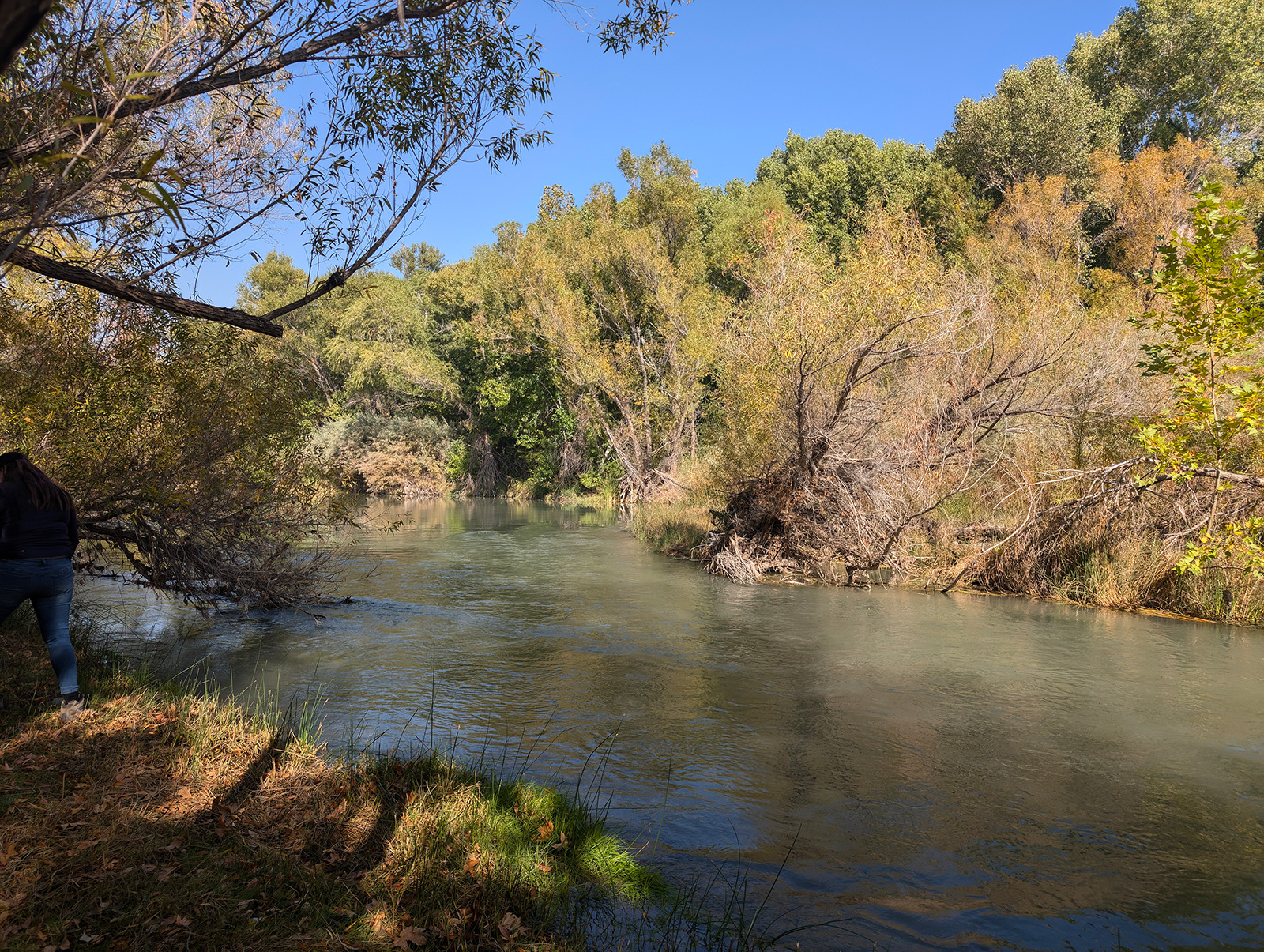
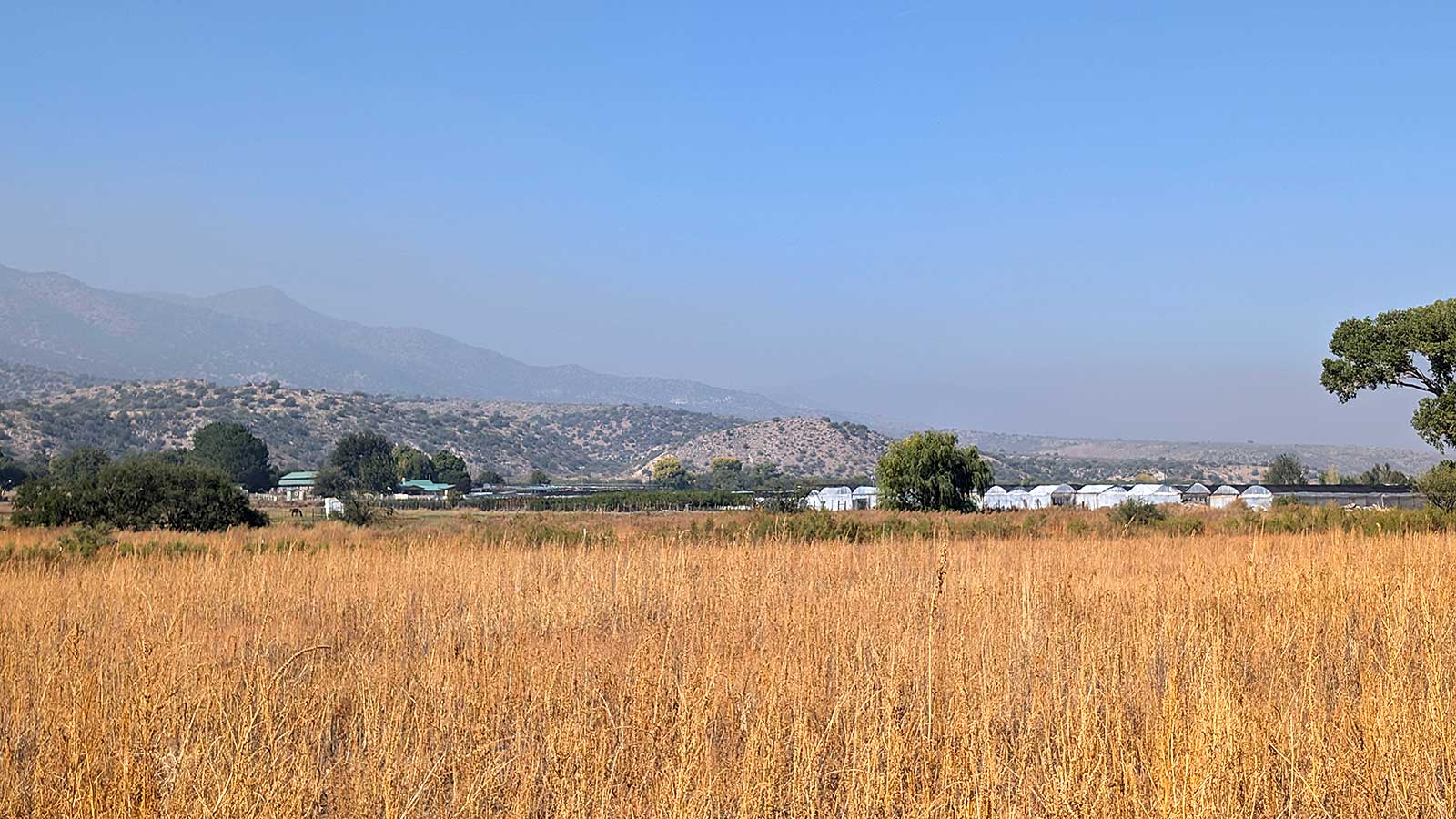
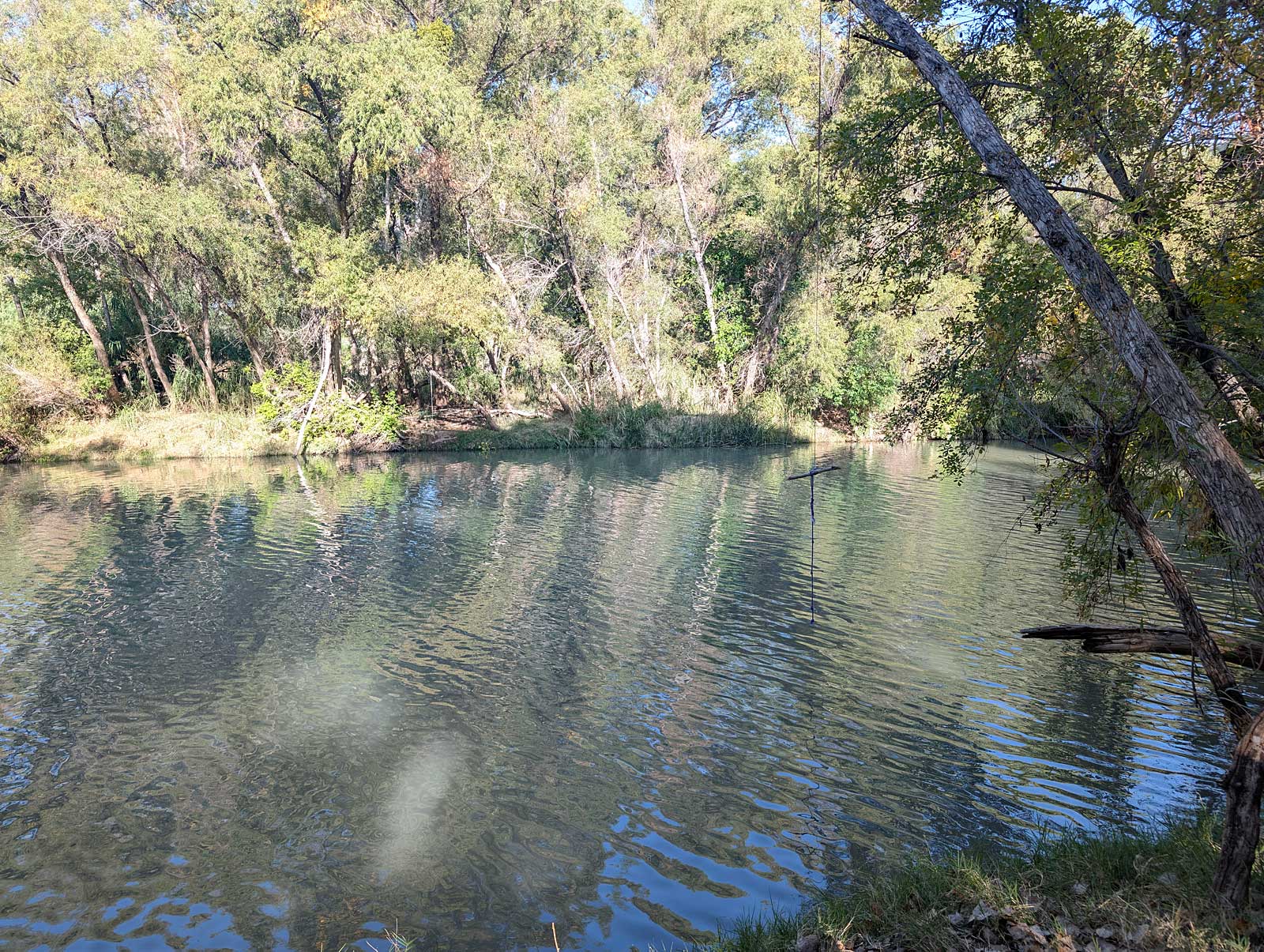
Following the Verde River tour, the field trip concluded with a visit to the Rockin’ River Ranch State Park. This park is approximately 210 acres located at the confluence of West Clear Creek and the Verde River. The state park was opened and dedicated in February 2024, and is home to a mature mesquite bosque, flood-irrigated pastures, and portions of the 100 year floodplain. The Verde Irrigation Ditch passes through the park and is available for flood-irrigating pasture lands. Moreover, the park contains aquatic habitat and cottonwood-willow riparian vegetation along a one-mile stretch of the Verde River.
A note to honor the indigenous history of our hosts in Camp Verde.
Camp Verde, Arizona is deeply interconnected with the Yavapai-Apache Nation, who have occupied the central Arizona landscape for centuries. This region is characterized by early ancestral cliff dwellings, including the famous Montezuma Castle and Montezuma Well, which is estimated to have been built by the Southern Sinagua people around 1125 AD.
2023 SWVMA Annual Conference
Hosted in the heart of central Arizona, this event took place in Phoenix on October 18th and 19th, 2023.
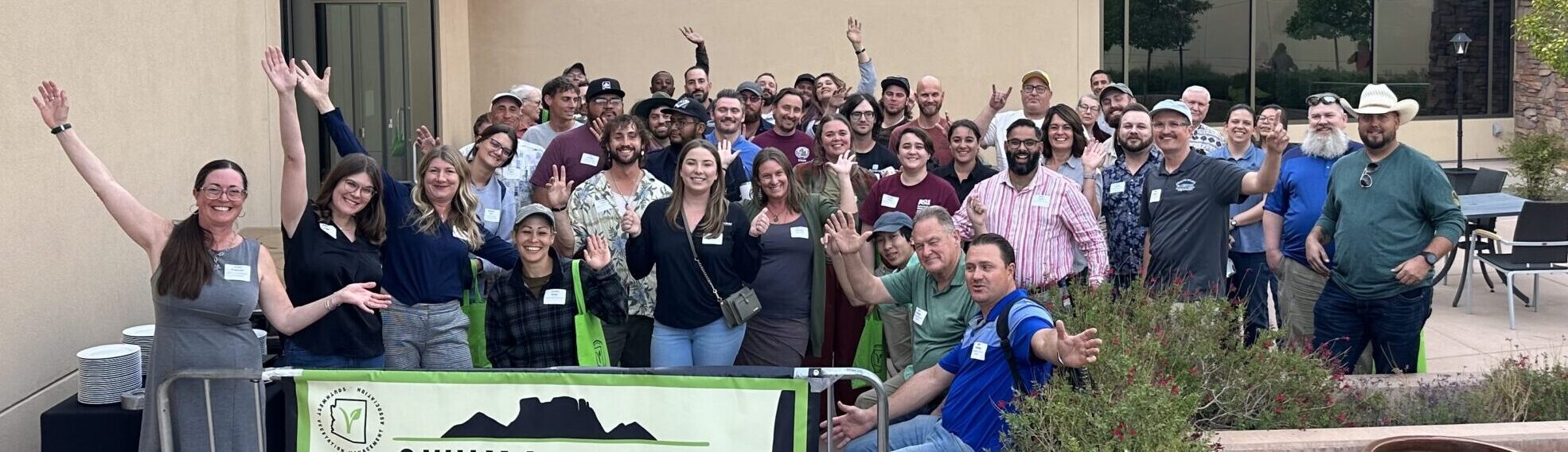
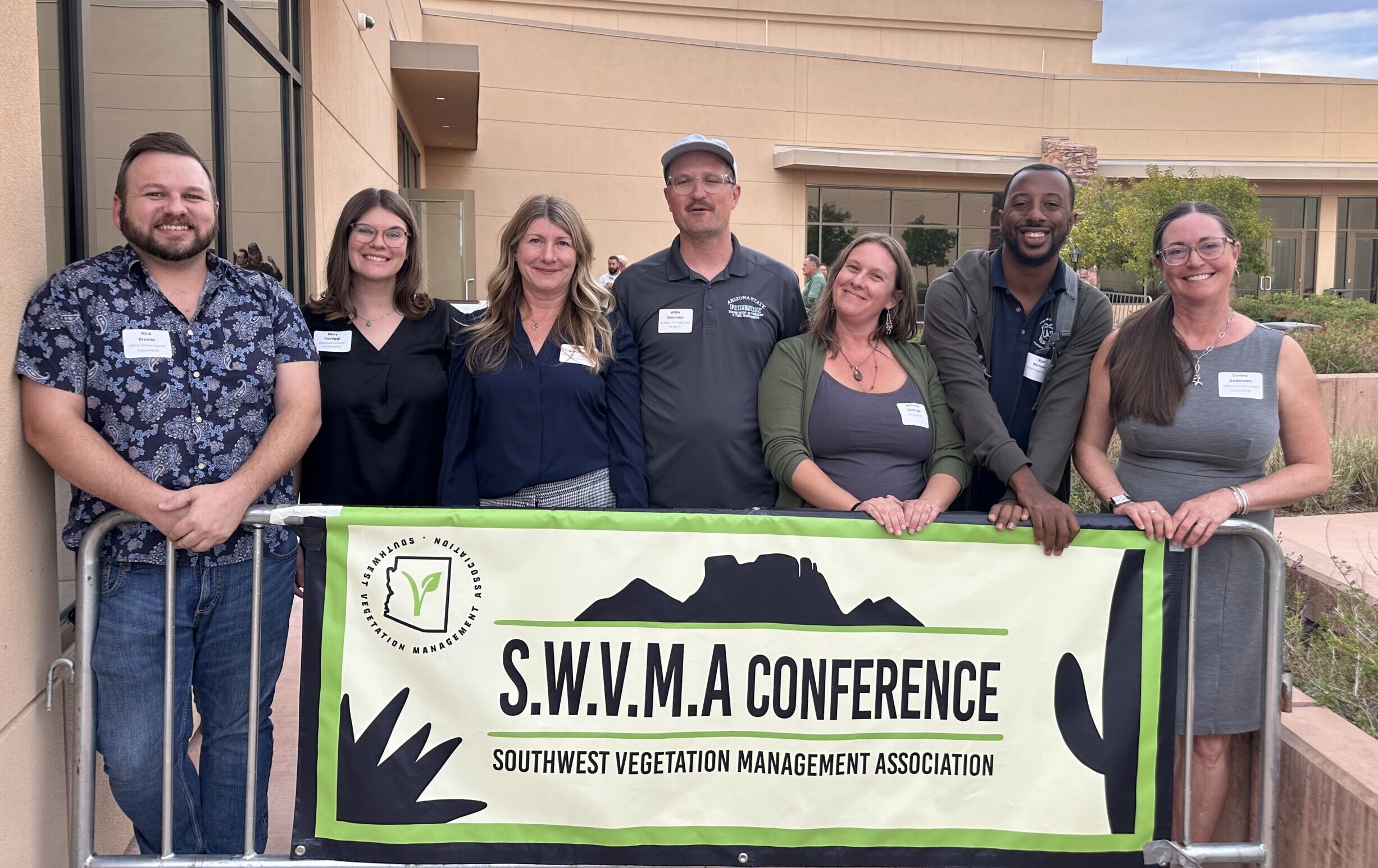
Participants and SWVMA board members at the 2023 SWVMA Workshop in Phoenix, which was held on October 18 at the American Arizona Italian Club. Over 90 attendees learned about invasive species management, best practices, Tamarisk beetles, and much more.
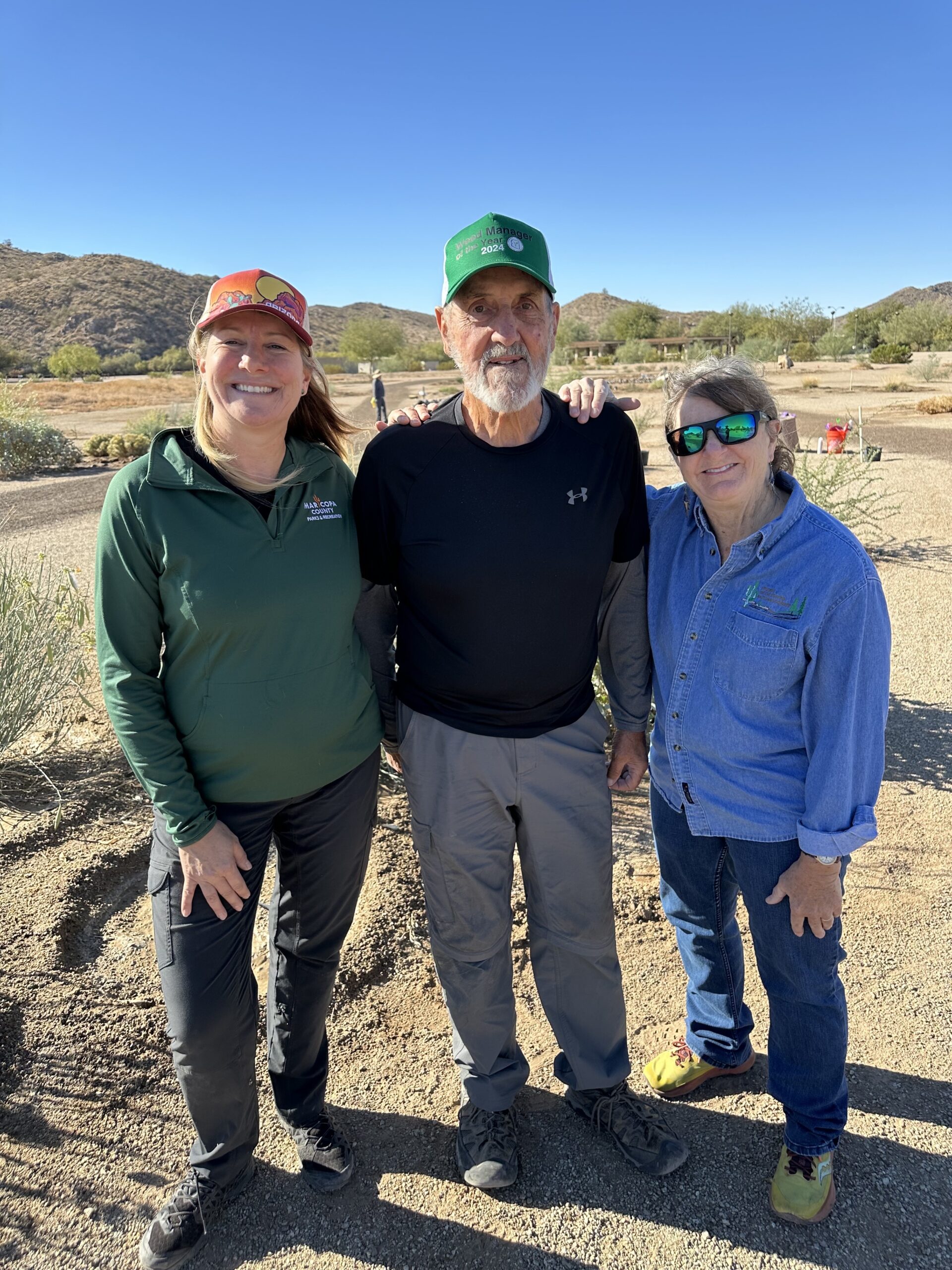
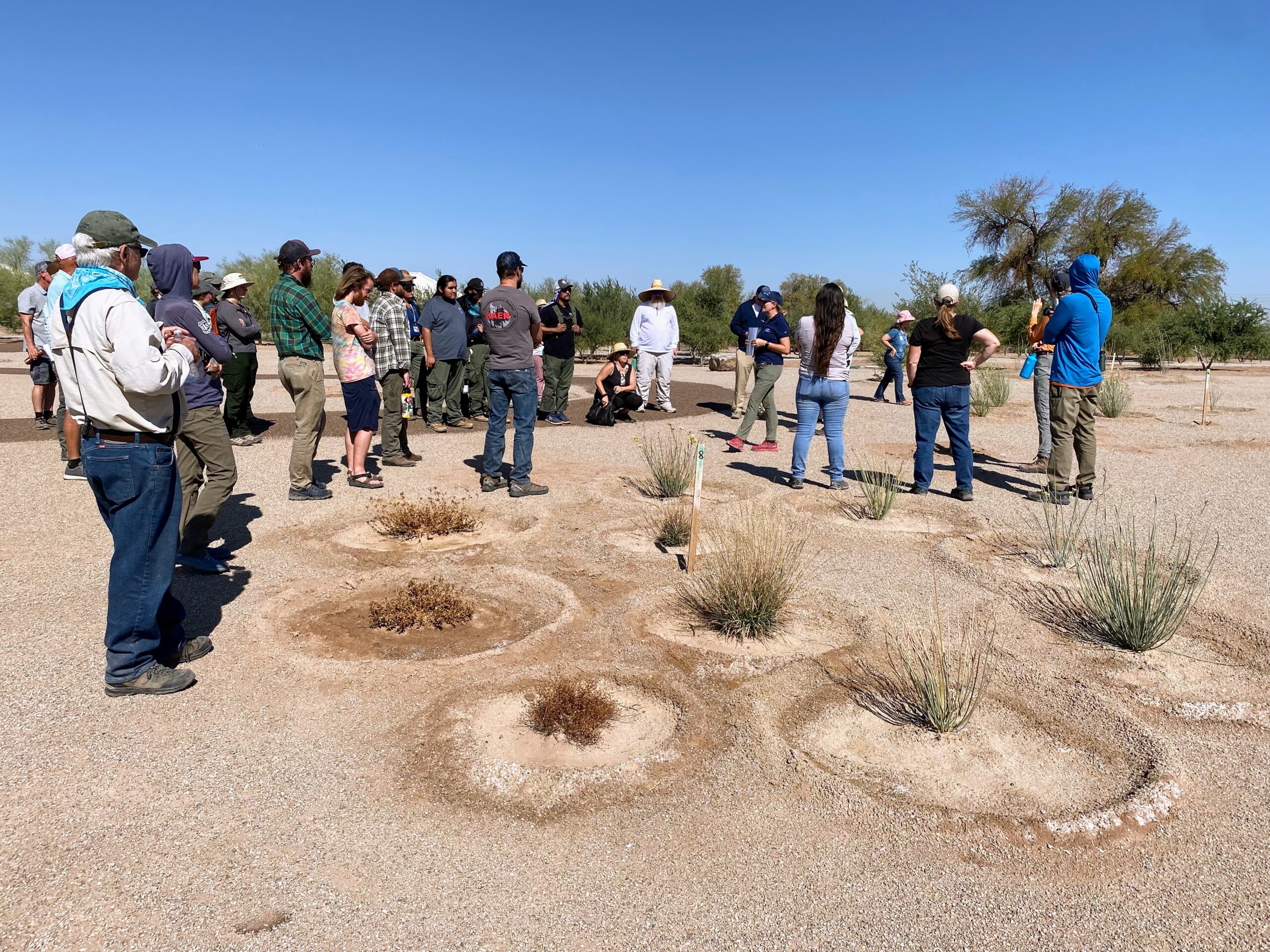
Participants of the Gila River Restoration and Habitat Enhancement Field Trips October 19, 2023 (Six total stops). This is the third stop at Estrella Mountian Regional Park, Pollinator Garden, and xeric landscape restoration project funded by Maricopa County Parks, Wildlife Habitat Council, ASU with a grant from the AZ Department of Forestry and Fire and the Arizona Forward. Juanita Armstrong was the lead.
Participants of the Gila River Restoration and Habitat Enhancement Field Trips(Six total stops). This is the fourth stop at Robbins Butter Tamarisk removal and habitat restoration project by the Arizona Game and Fish Department. Bobby Lamoureux and Kelly Wolf led.
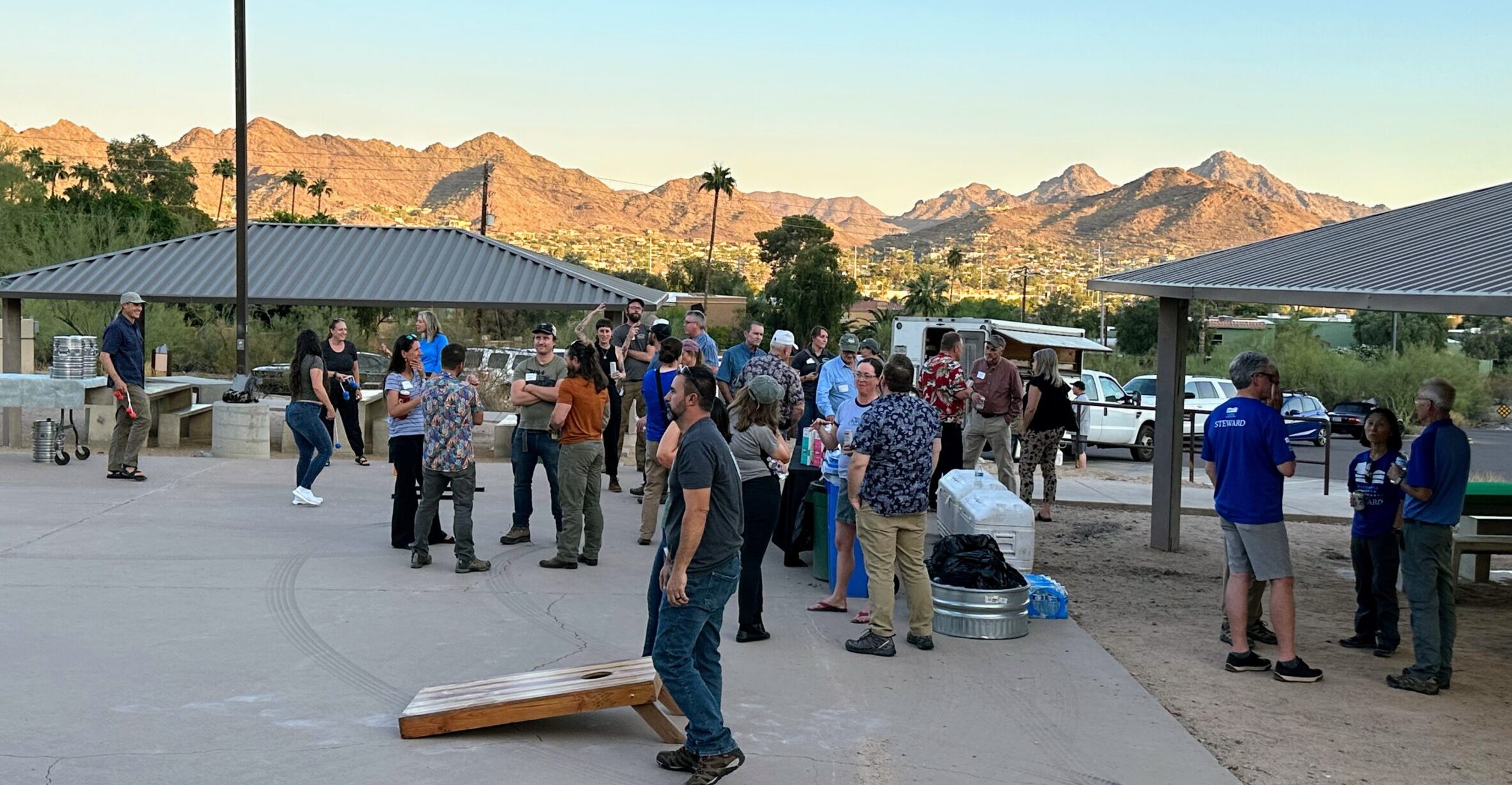
The super fun BBQ at the North Mountain Preserve in Phoenix! Social hour at its best!
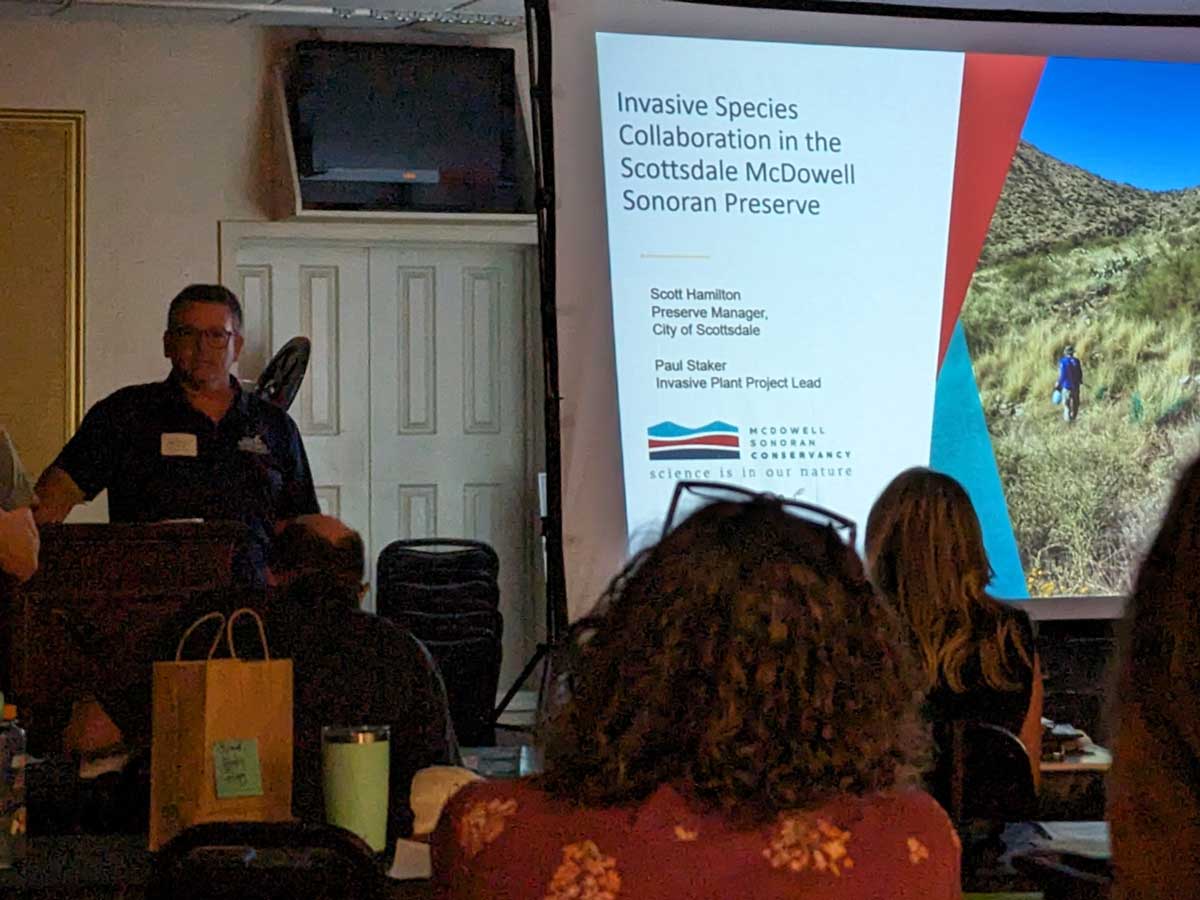
Day 1 of this training featured several lectures on restoration of riparian corridors. Some presentations highlighted the risks and benefits of biocontrol as well as proper treatment techniques for invasive plants within the McDowell Sonoran Preserve.
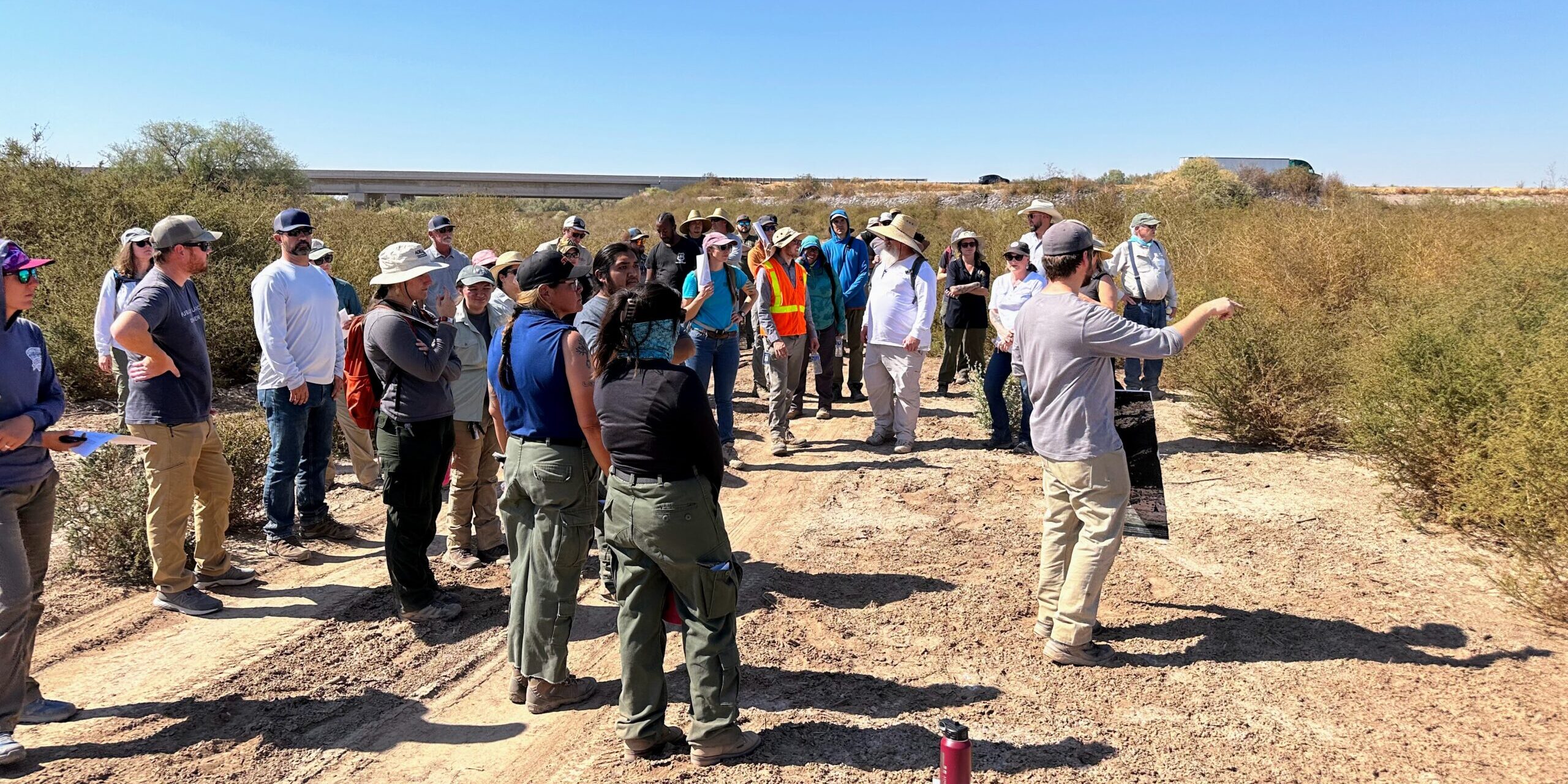
Day 2 consisted of a field trip to three sites within the west Phoenix area. The first site was the El Mirage Burned Area Rehabilitation Site. This site was severely impacted by the June 2020 Avondale Fire that burned 350 acres of Gila River floodplain vegetation. The fire burned a mix of native and exotic vegetation with stinknet and tamarisk being the primary invasive species. A Burned Area Rehabilitation Plan was completed for the area with objectives to restore native vegetation and wildlife habitat. Attendees were shown a treatment area that was mechanically cleared and planted with native shrub and tree species.
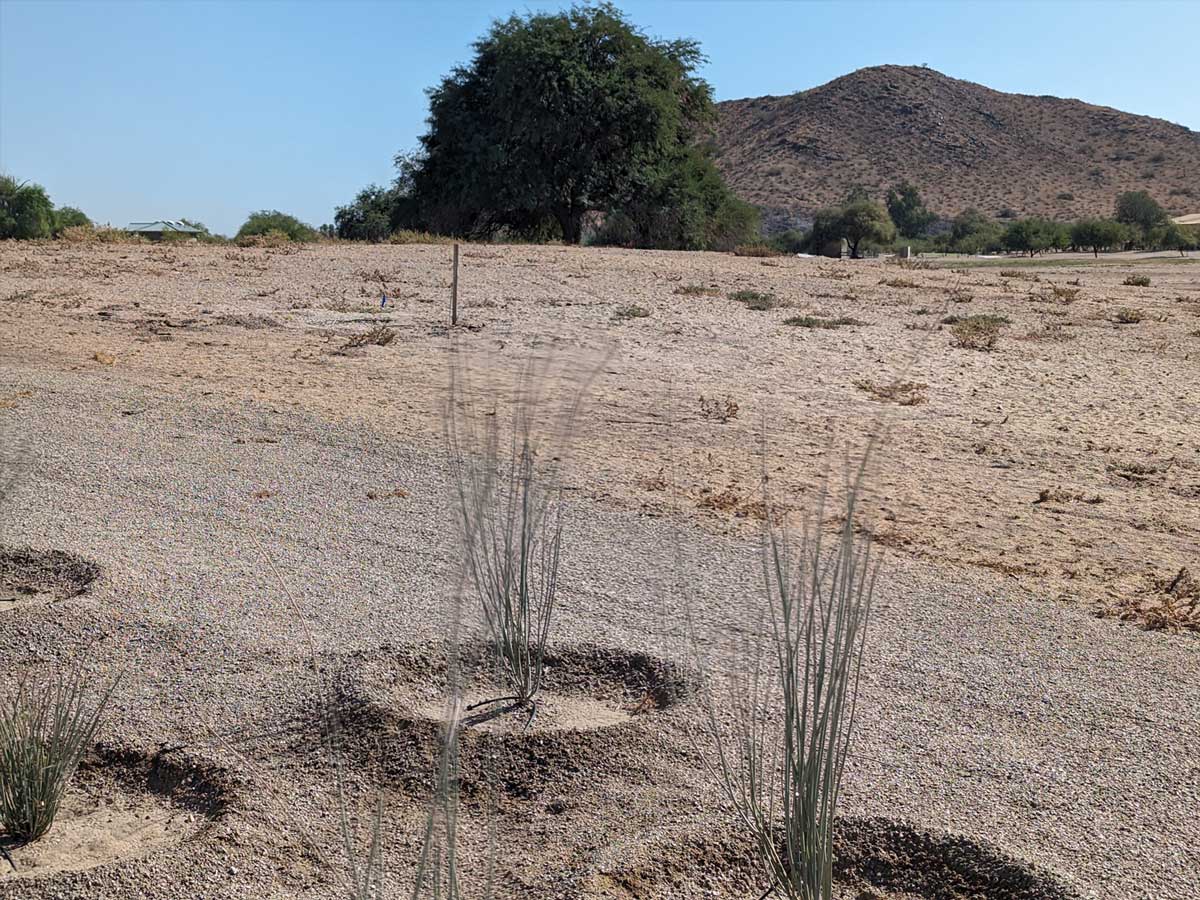
The second of three stops was the Estrella Mountain Regional Park Riparian Enhancement Site. This site included the Plant Research Trail where restoration work was previously completed on a 6-acre site. The results of tamarisk removal and the planting of tall pot native trees were shown on this visit. Invasive plant species within the site included stinknet and tamarisk – featuring tamarisk mastication and desert tall pot tree planting dating back to late 2023 – early 2024. This project was funded through the State of Arizona Gila River Nonnative Vegetation Species Eradication Fund, administered by DFFM.
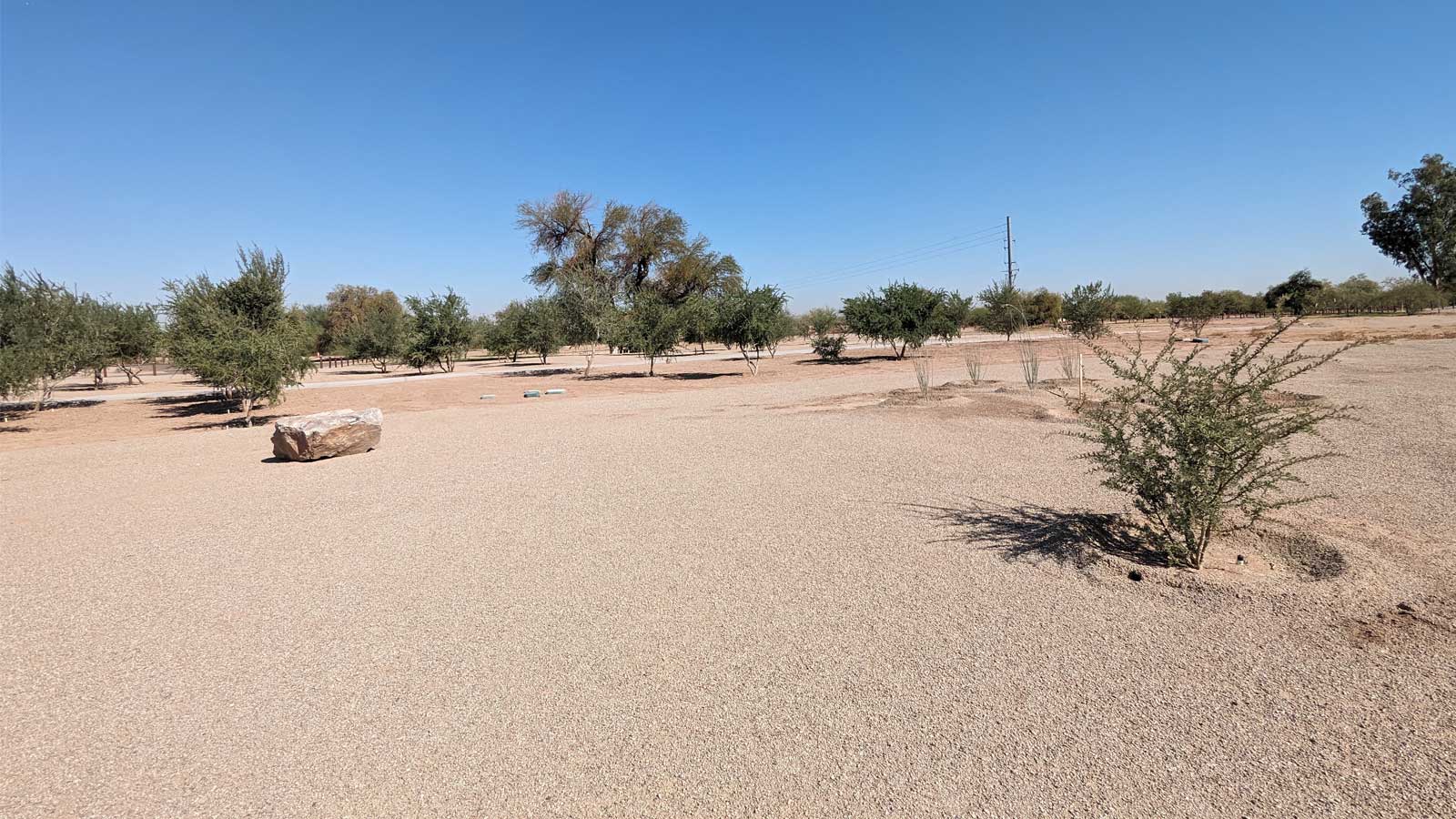
The field trip concluded with a walking tour through the Estrella Mountain Regional Park Pollinator Garden. This garden was made possible through a collaborative pilot project between Maricopa County Parks and Recreation, Wildlife Habitat Council and Arizona State University (via the Lower River Collaborative). This project was partially funded with a grant through ASU, to improve ecological habitat along the Gila River, while exploring this new collaboration with WHC. The emphasis on bringing corporate partners to help with project materials and a strong emphasis on public engagement and volunteer opportunities was essential. This project included restoring 5 acres of turf to native xeric landscape (4 acres) creating a berm along the trail edge, planting shade trees, and installing a pollinator garden 1+ acre, with a water feature, educational kiosk, and monitoring opportunities. Many trees, shrubs, and pollinator host plants were added throughout the walkway, and treated the four acres with hydroseeding.
A note to honor the indigenous significance of Estrella Mountain Regional Park.
Estrella Mountain Regional Park sits on ancestral Indigenous lands shaped by Hohokam, Akimel O’odham and Piipaash cultures. The Hohokam developed a series of canal systems and complex irrigation presided near the Gila River from as early as 500 AD until around 1450 AD, when the peoples left the area due to severe drought conditions. Around the 1600s, the Akimel O’odham and Piipaash settled at the base of the Estrella Mountain range and Gila River. These tribes still maintain a deep cultural legacy to the Sierra Estrella range that we see today.
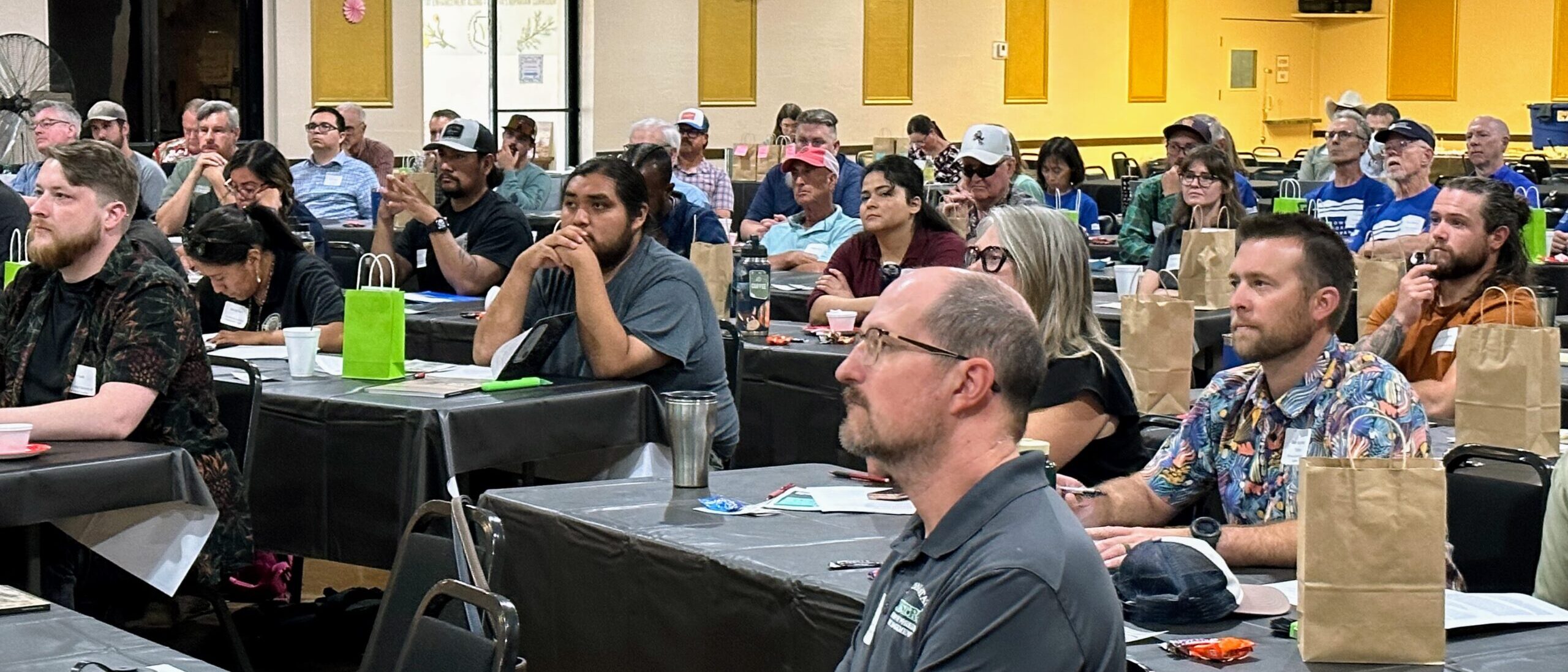
Webinar Oct 28, 2016 – Challenges and Successes of Riparian Restoration and Invasive Plant Management in the West

2016 WEBINAR: Highlights of the Unique Challenges and Successes of Riparian Restoration and Invasive Plant Management in the West
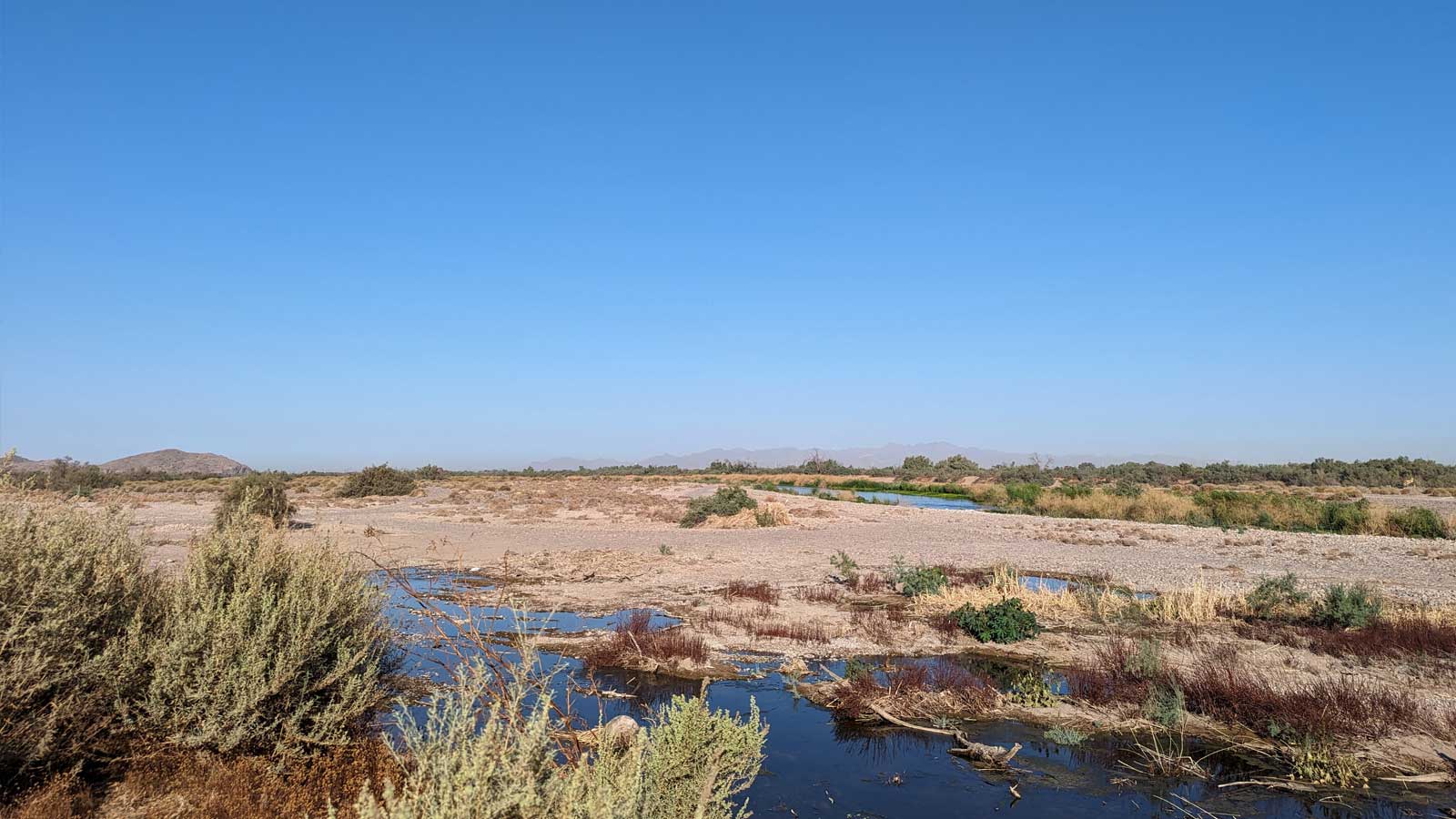
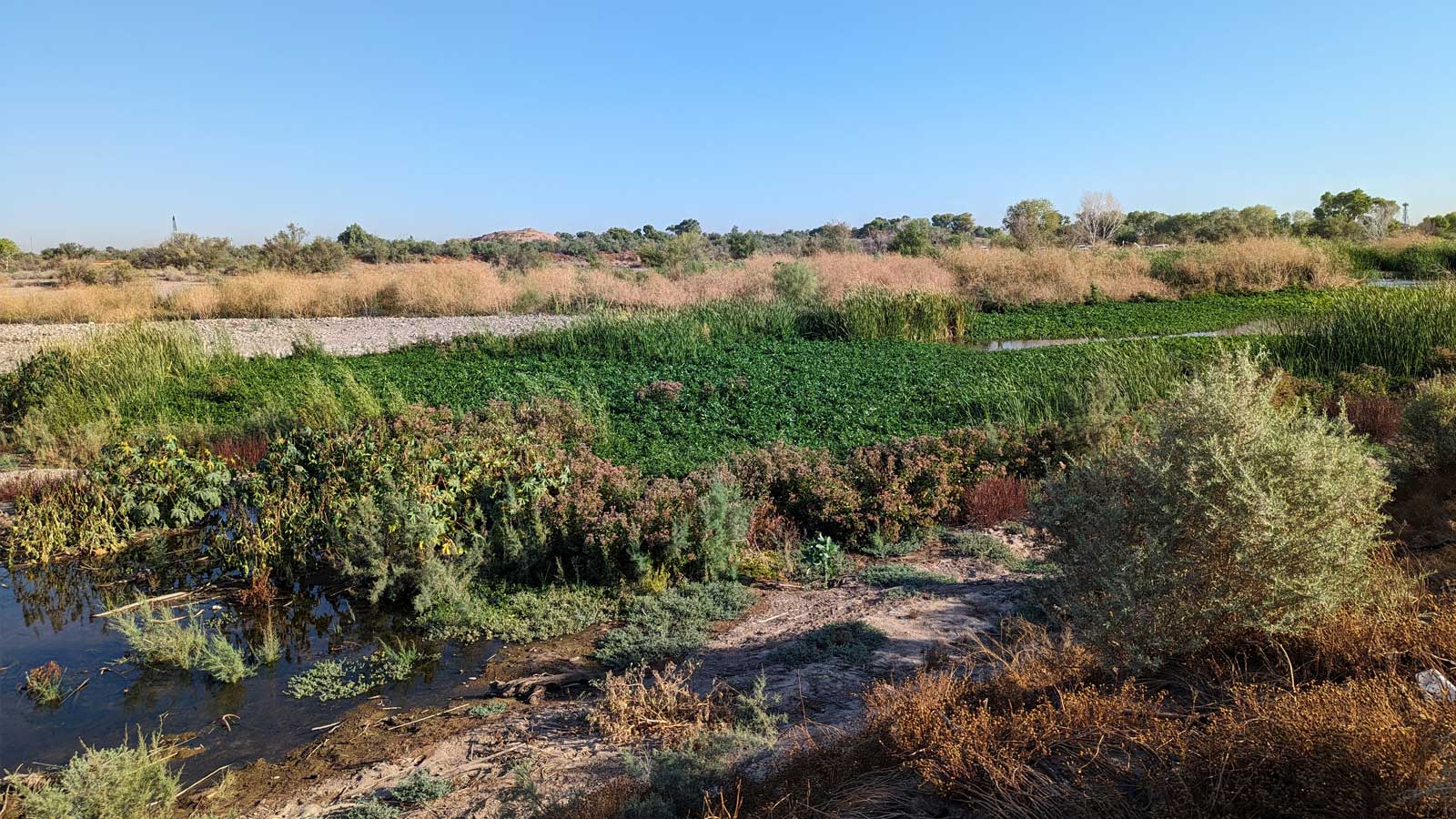
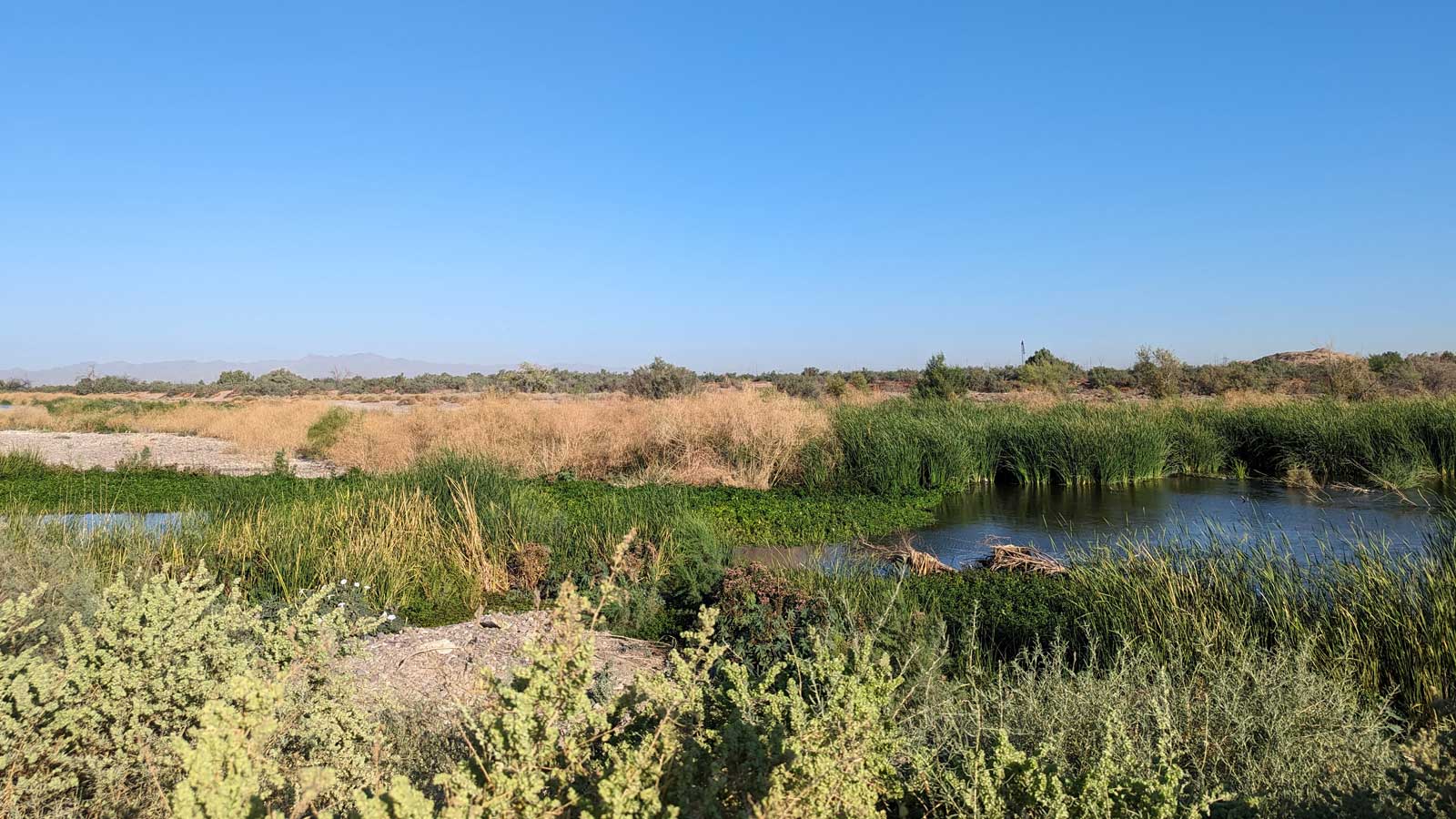
Rivers in the Southwest are often ribbons of green through dry desert ecosystems that provide unique habitats that wildlife and plants rely on for survival. However, these areas are often heavily impacted by outside forces such as dams, water regulation, development and invasive species invasions. These alterations to the ecosystems result in a loss of suitable native habitat, threats to endangered species that rely on these unique habitats and river systems with novel plant community composition, soil types and geomorphology. This webinar will address the broader issues of riparian restoration and invasive species management in the southwest including the value of partnerships and the importance of long-term, reliable funding sources. We will highlight the successes and challenges of the work being done by a watershed partnership group on the Verde River in Arizona and will discuss some of the unique challenges of removing tamarisk (an invasive species) and the potential impacts to endangered bird species.