
Explore SWVMA’s illustrated field guide to Arizona’s Top non-native invasive plant species.


Invasive plant illustrations by Monique Laraway.
Arizona’s Top Invasive Plant Species
Designed to support land managers, educators, volunteers, and outdoor enthusiasts, each profile provides key identification characteristics to help with early detection, informed management, and protecting Arizona’s landscapes
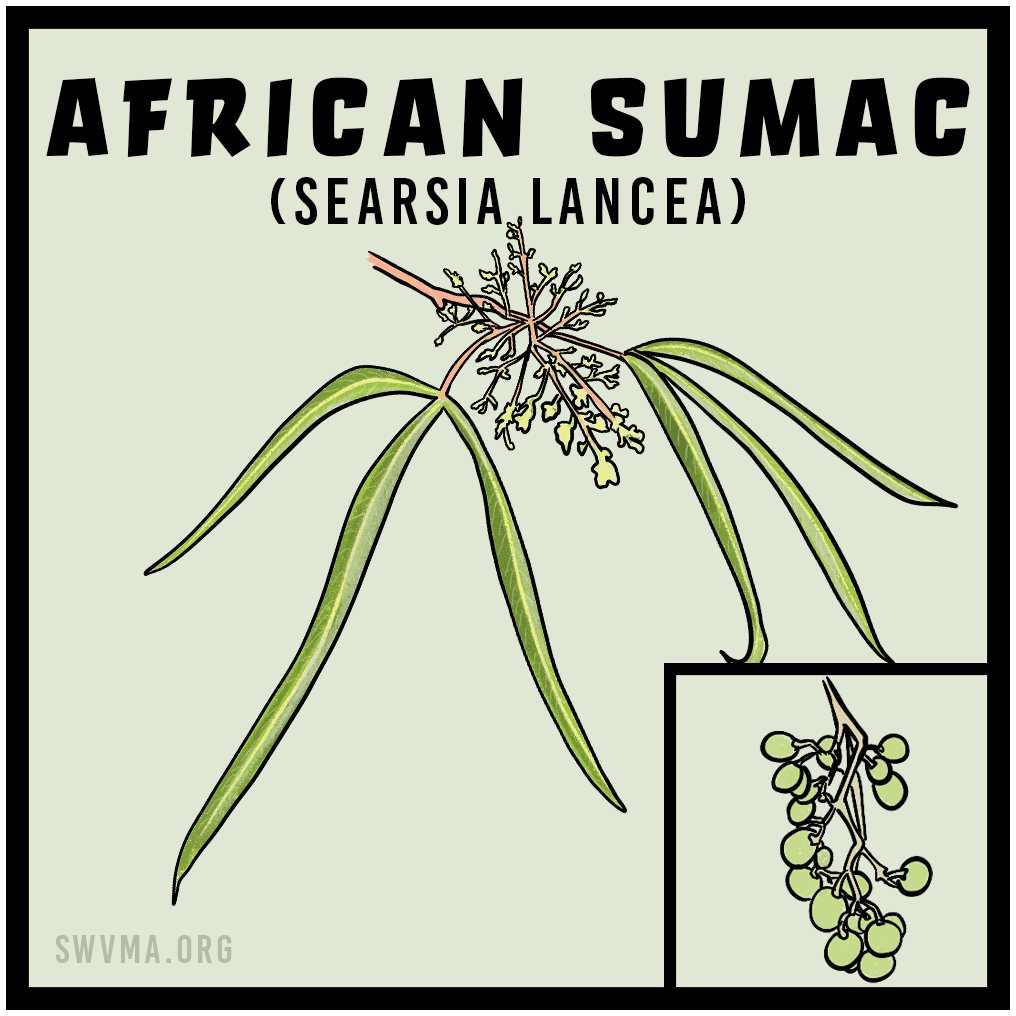
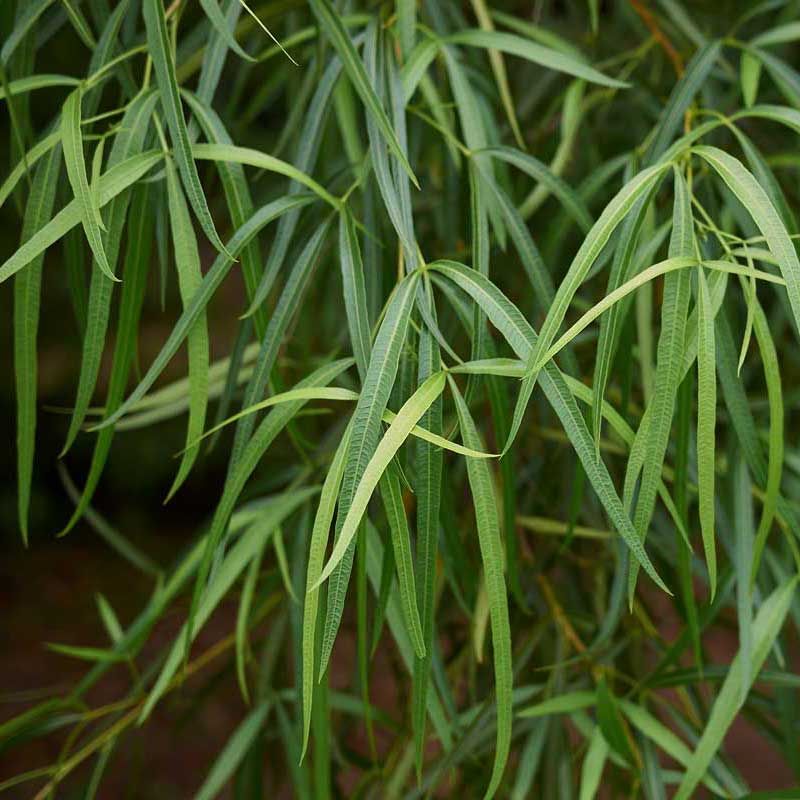
African Sumac
Also known as African tallowwood or simply Sumac, is an invasive plant species that has been causing ecological concerns in the southwestern United States.
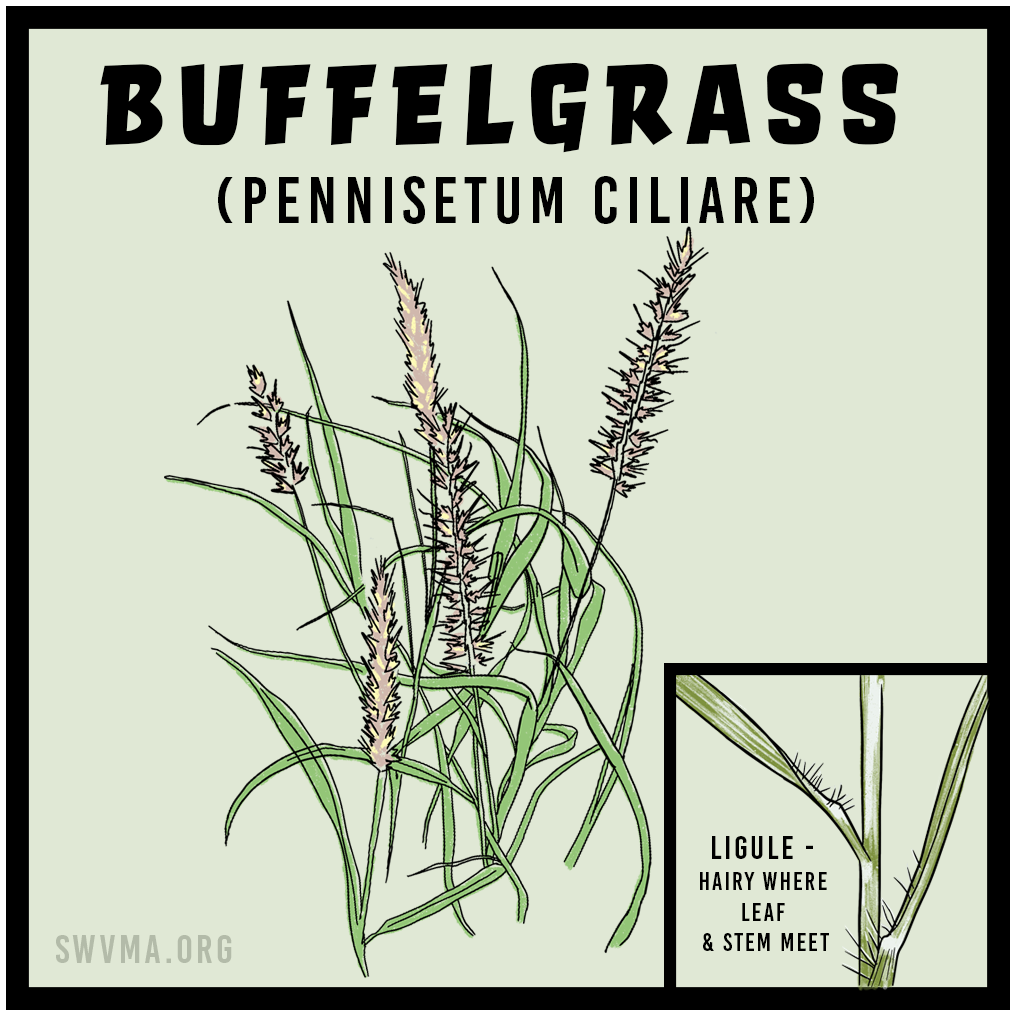
Buffelgrass
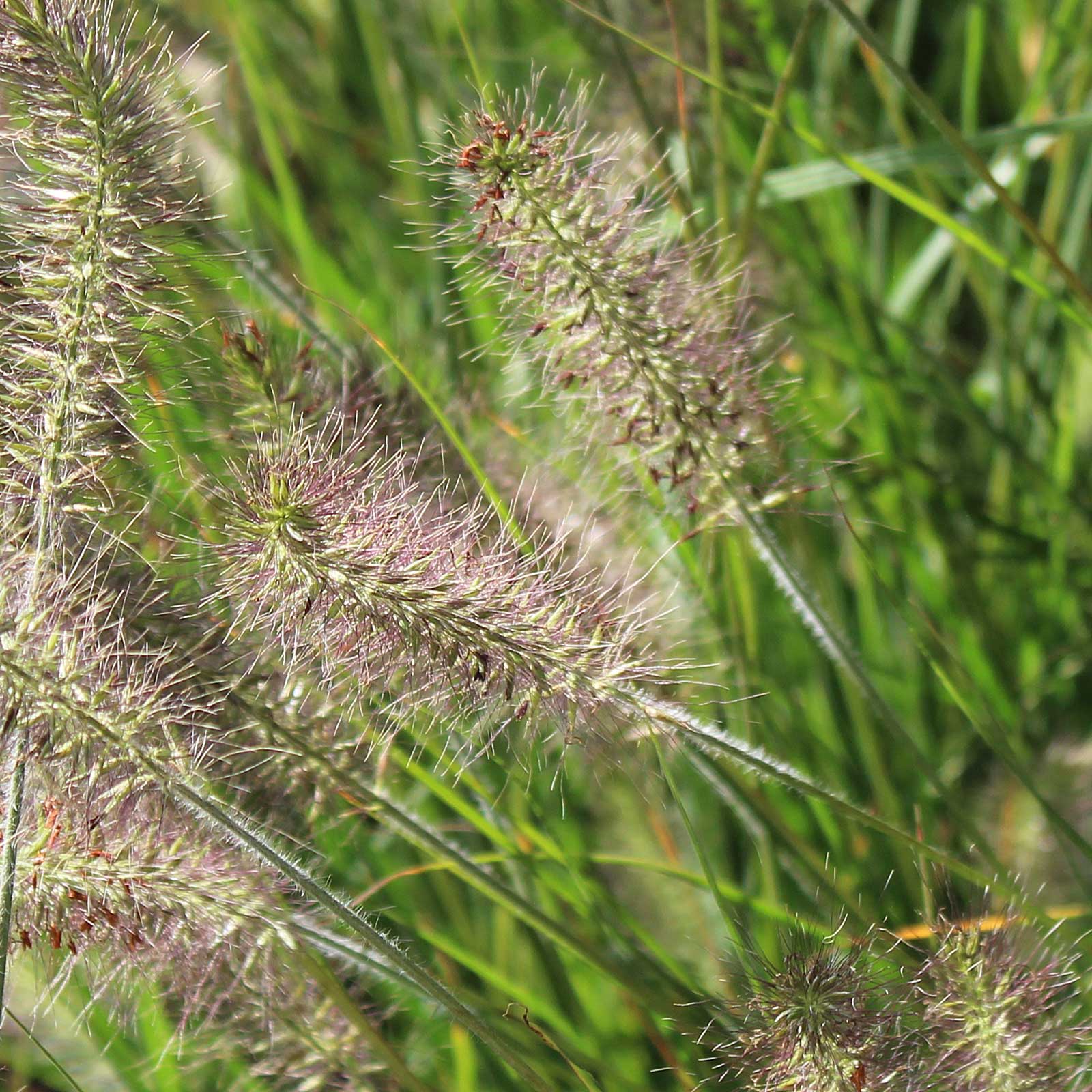
Buffelgrass is a warm-season perennial grass that has been introduced into the southwestern United States and other arid regions worldwide.
Camelthorn
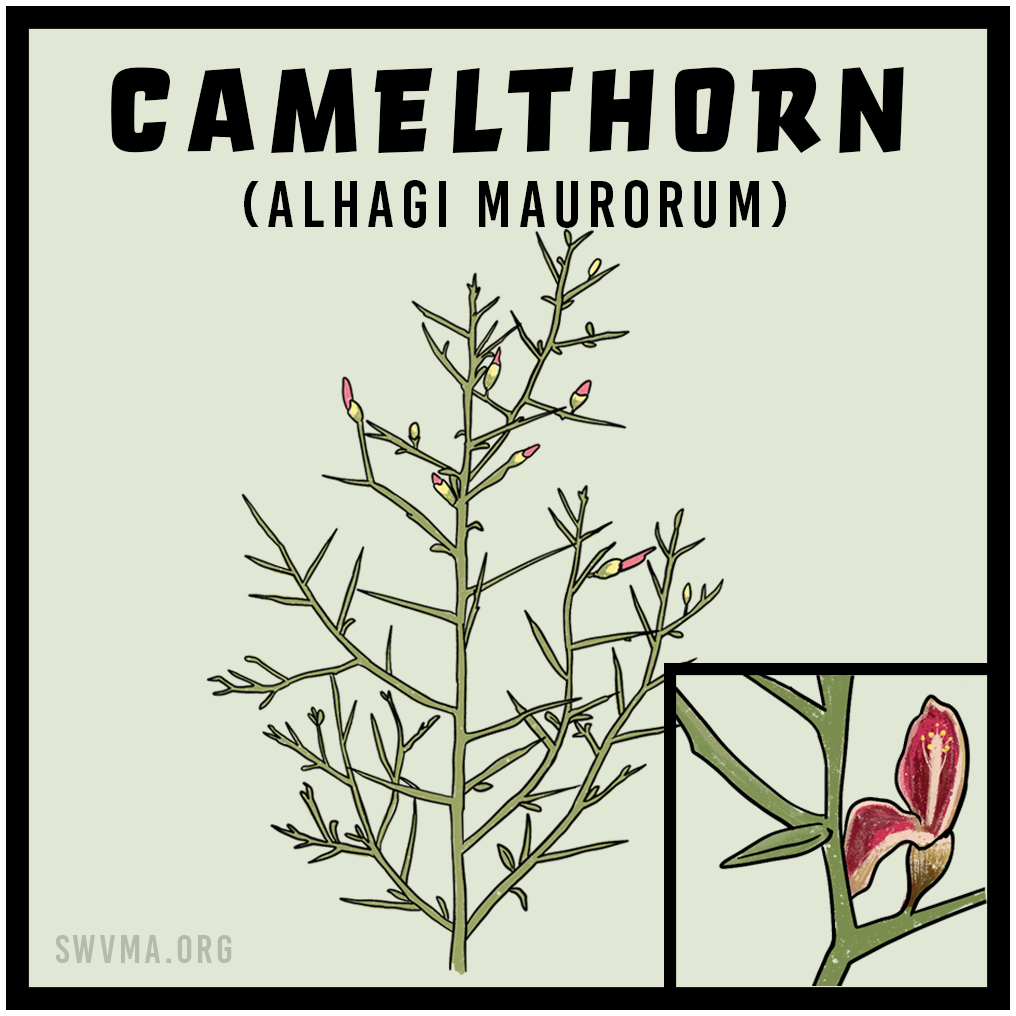
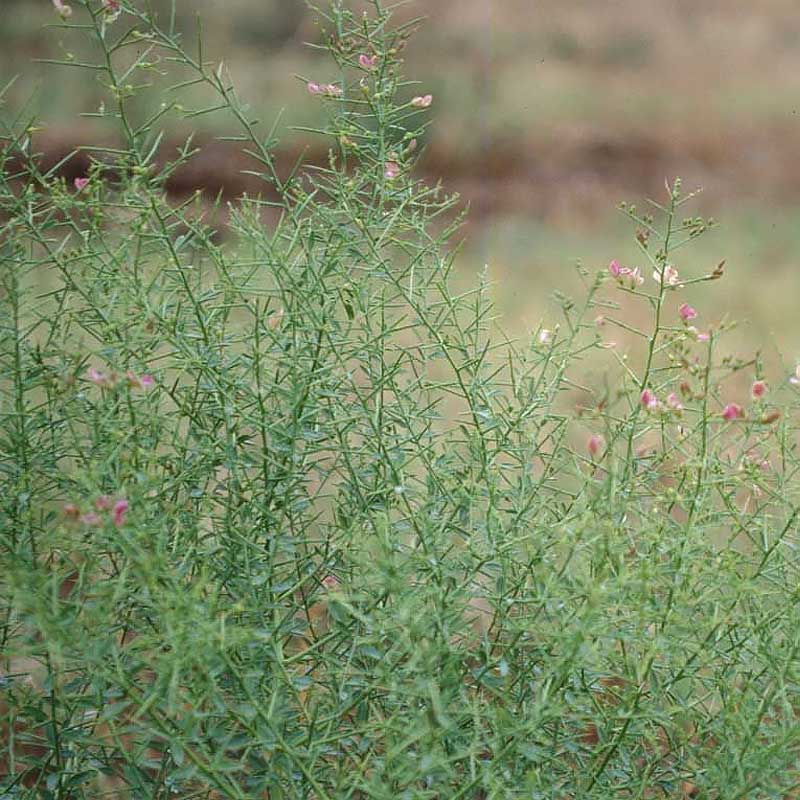
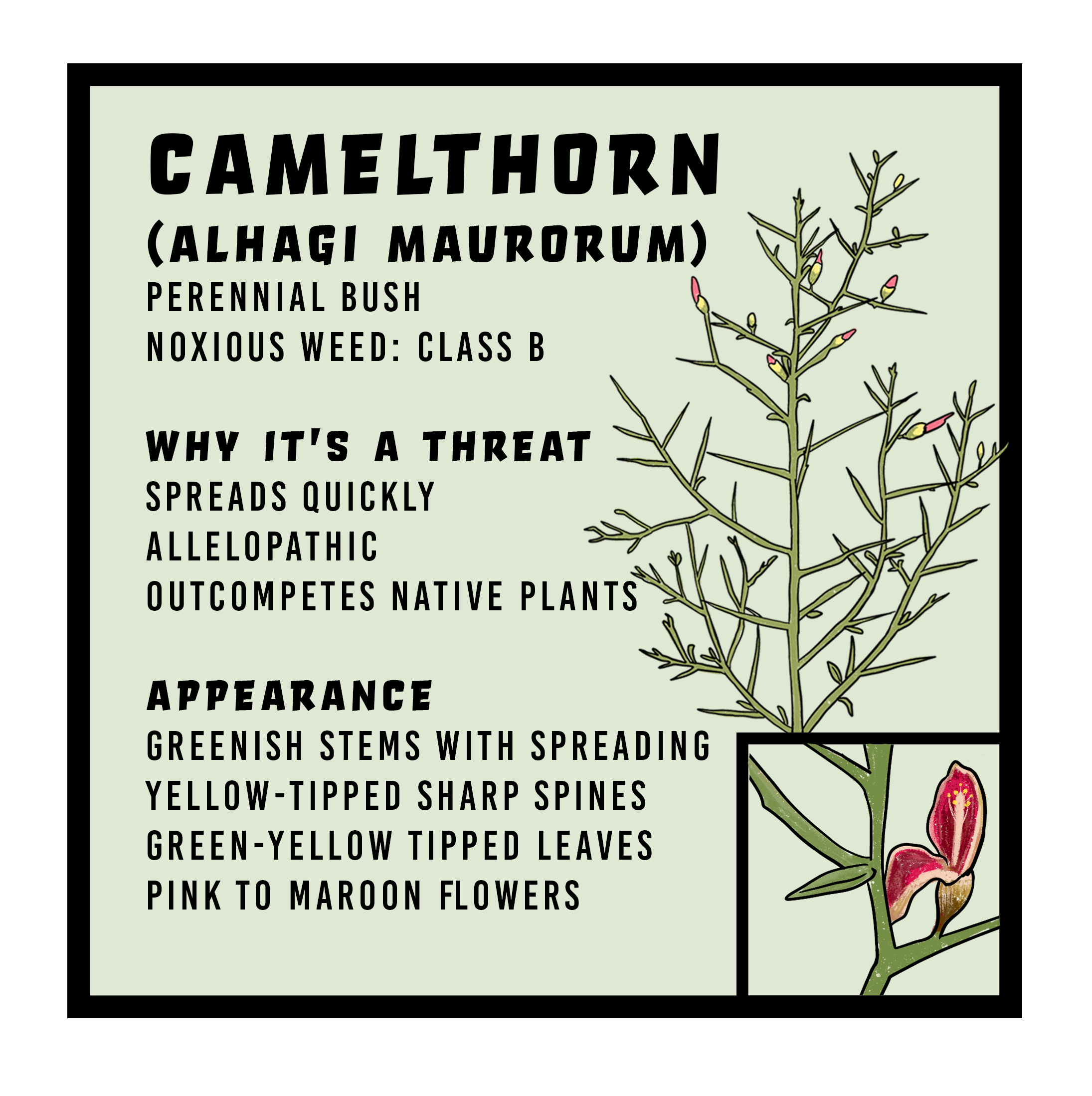
Native to Eurasia and North Africa, this tenacious shrub thrives in harsh conditions, demonstrating remarkable resilience while posing significant ecological challenges.
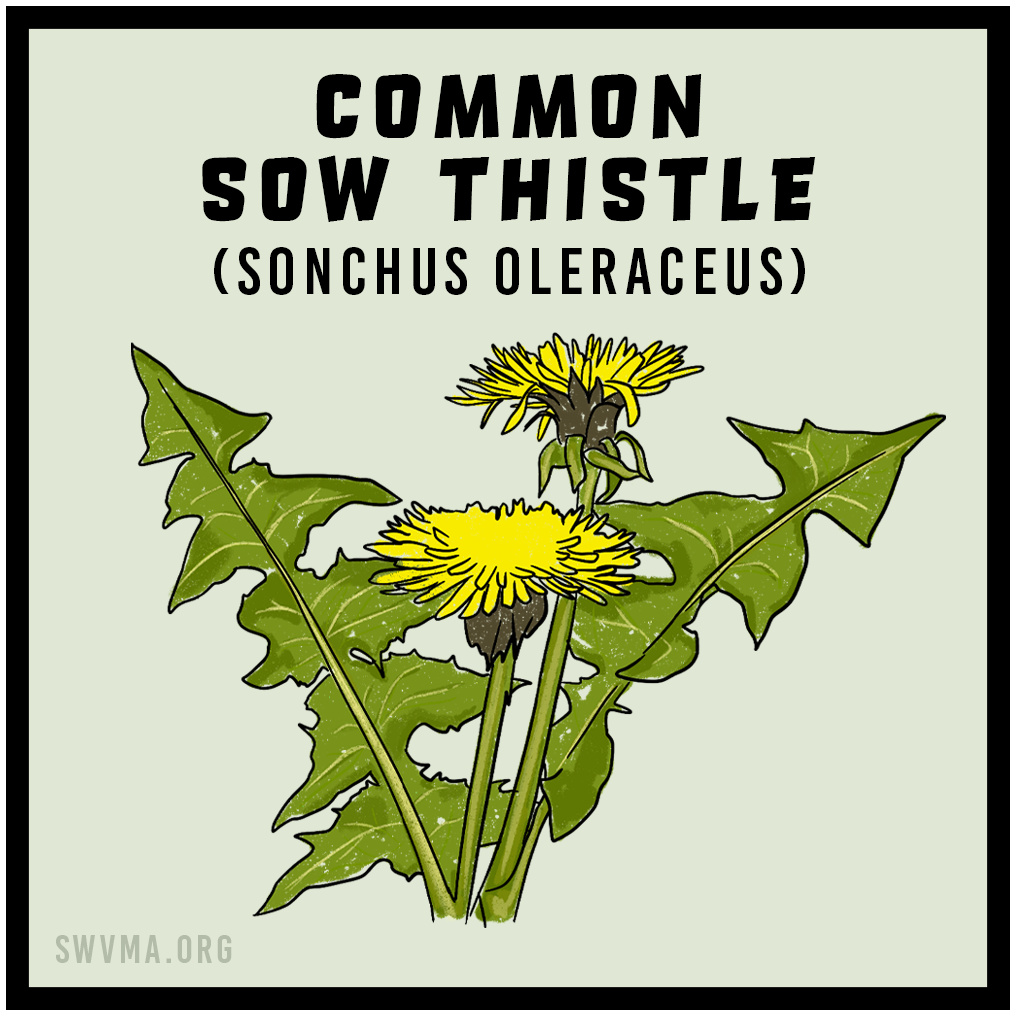
Common Sow Thistle
Common Sow Thistle (Sonchus oleraceus) is believed to be native to Europe and has become an invasive species in various parts of the world, including North America.
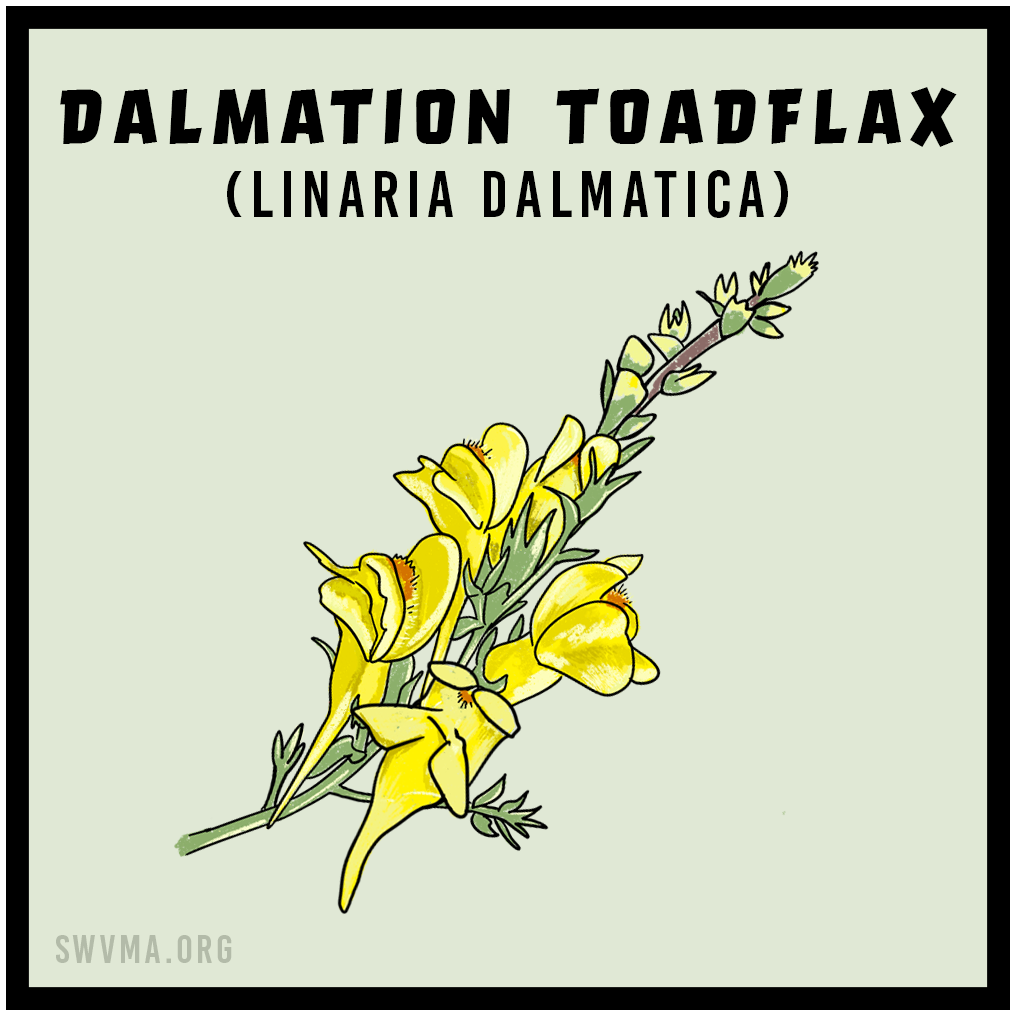
Dalmatian Toadflax
Dalmatian Toadflax (Linaria dalmatica) is native to Southeastern Europe and Western Asia and has become an invasive species in North America.
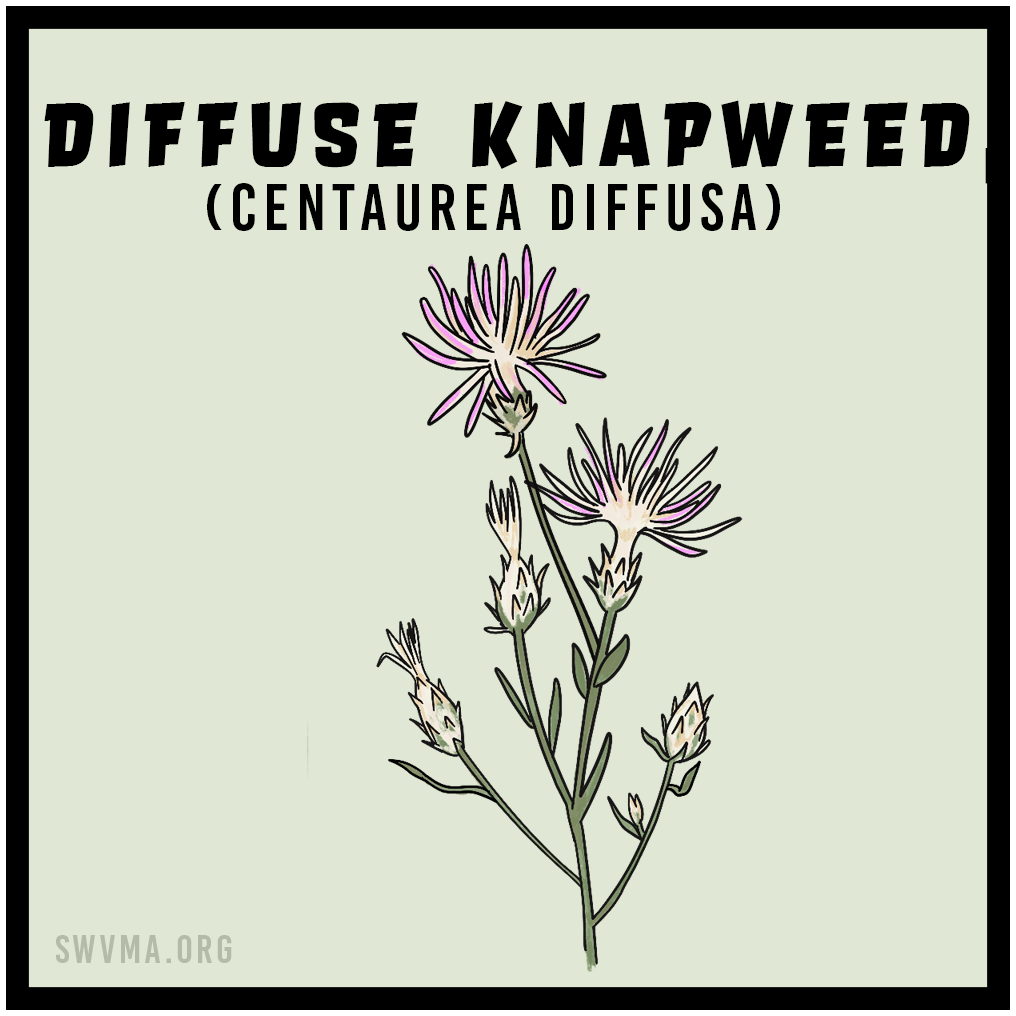
Diffuse Knapweed
Diffuse Knapweed is considered a problem due to its aggressive growth, rapid spread, and ability to outcompete native vegetation.
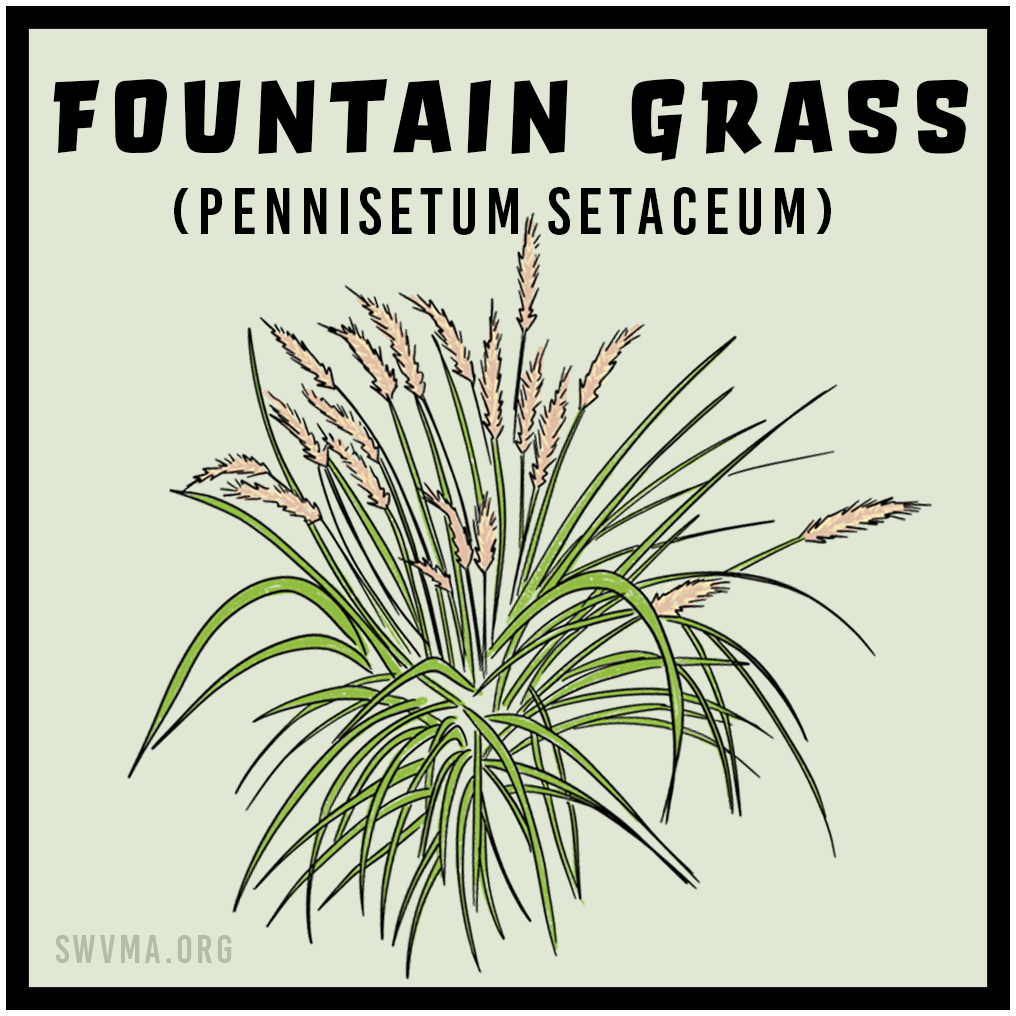
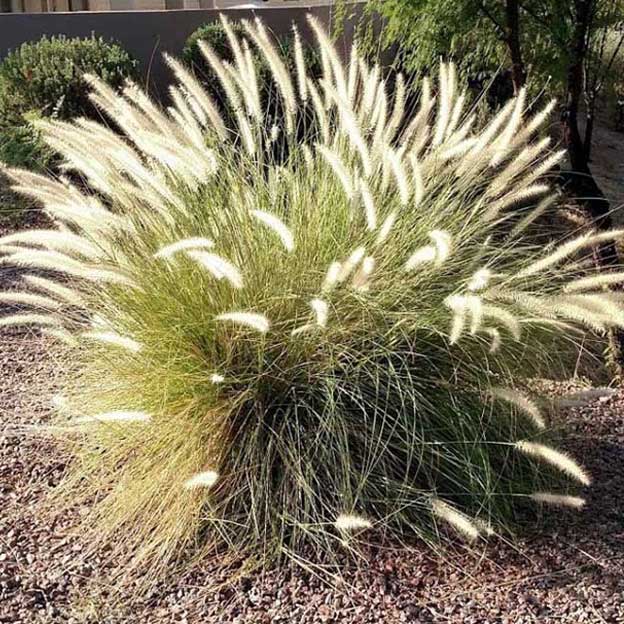
Fountain Grass
Native to Africa and the Middle East, Fountain grass has been introduced to many parts of the world as an ornamental grass. Fountain Grass is expanding its range in Arizona and the Southwest.
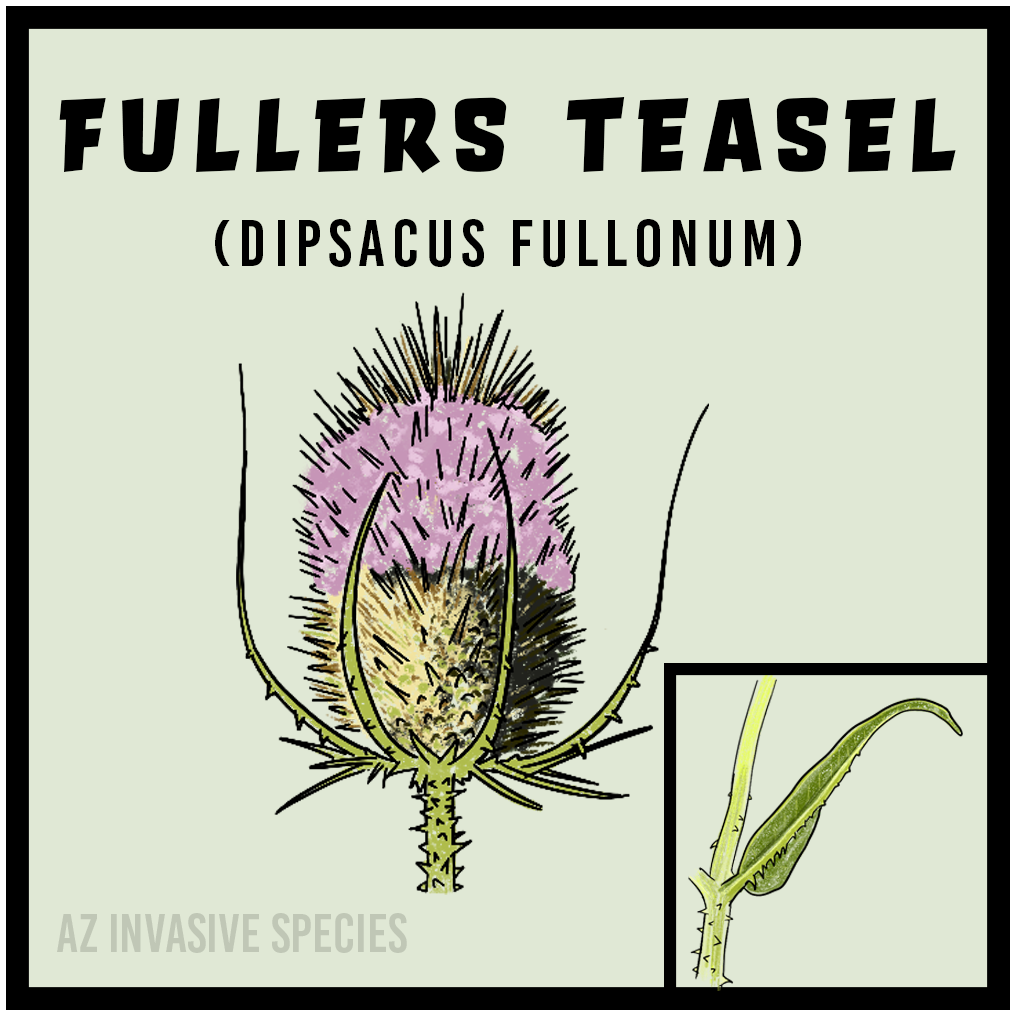
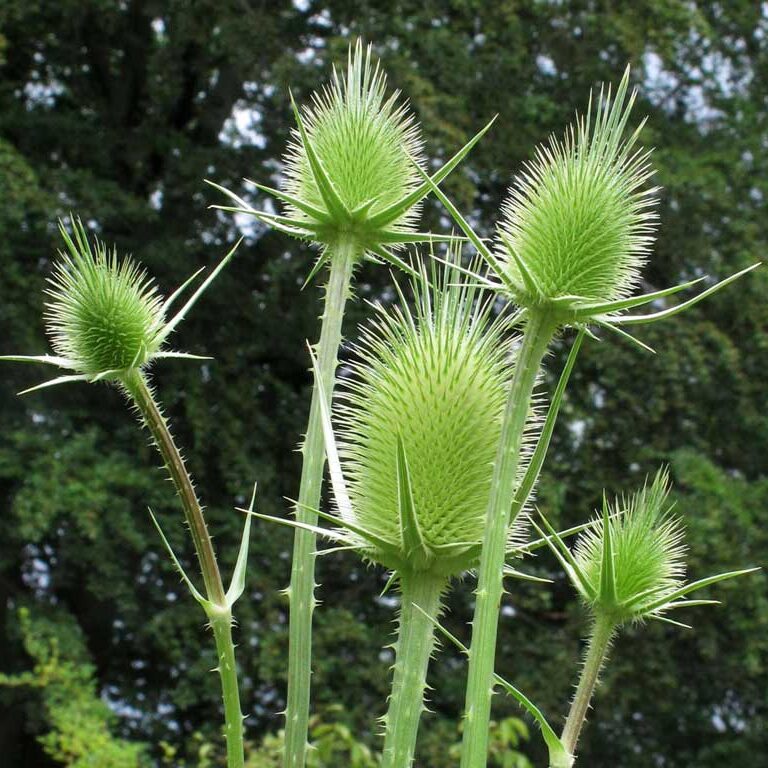
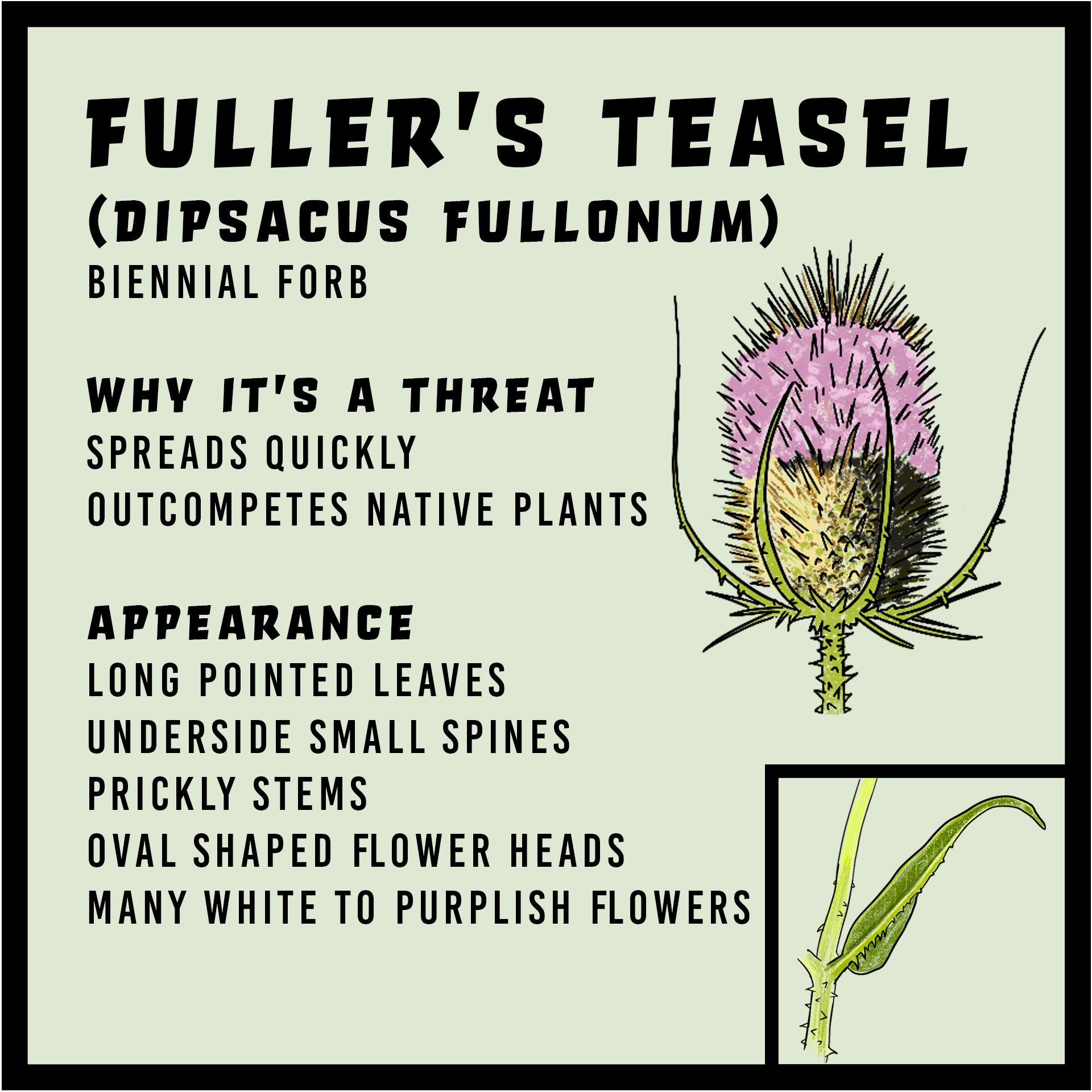
Fuller’s Teasel
Fuller's Teasel (Dipsacus fullonum), a striking and yet invasive plant species, has become a growing concern in the southwestern United States.
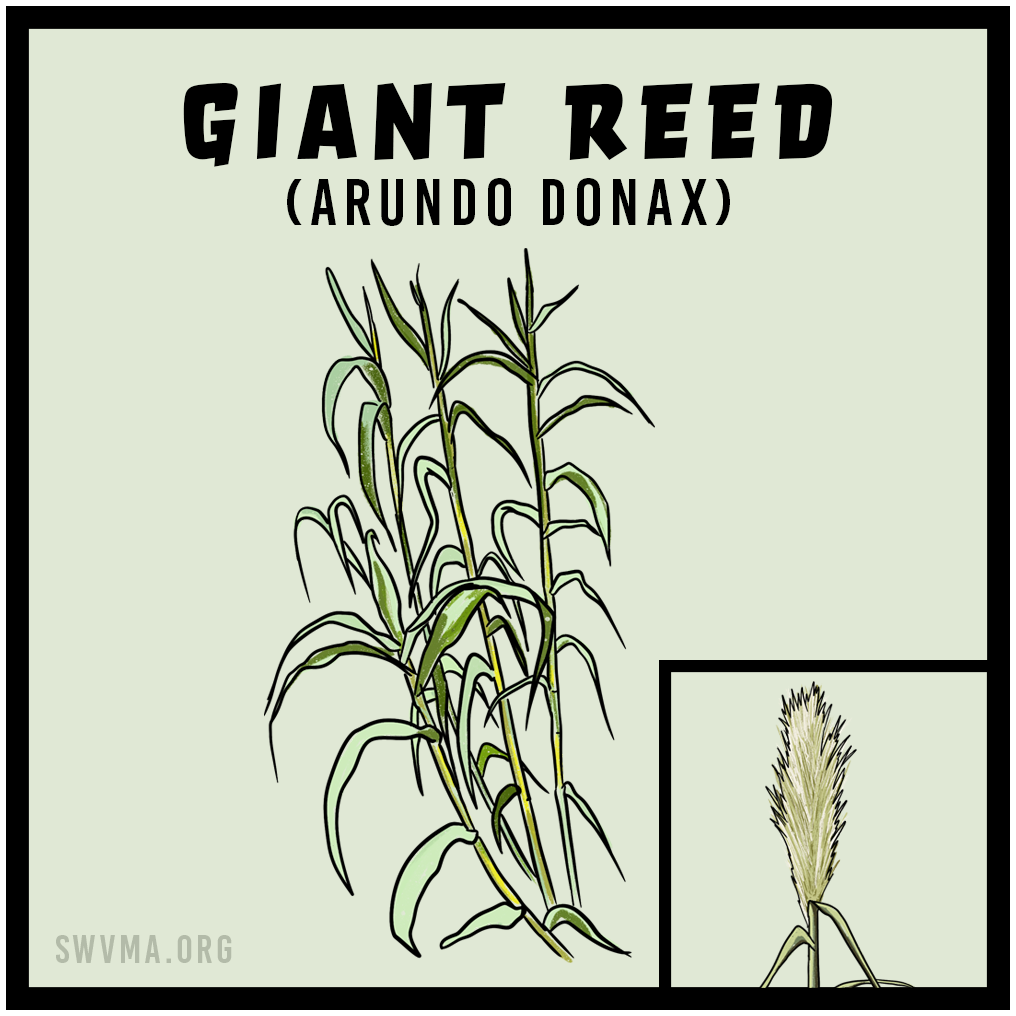
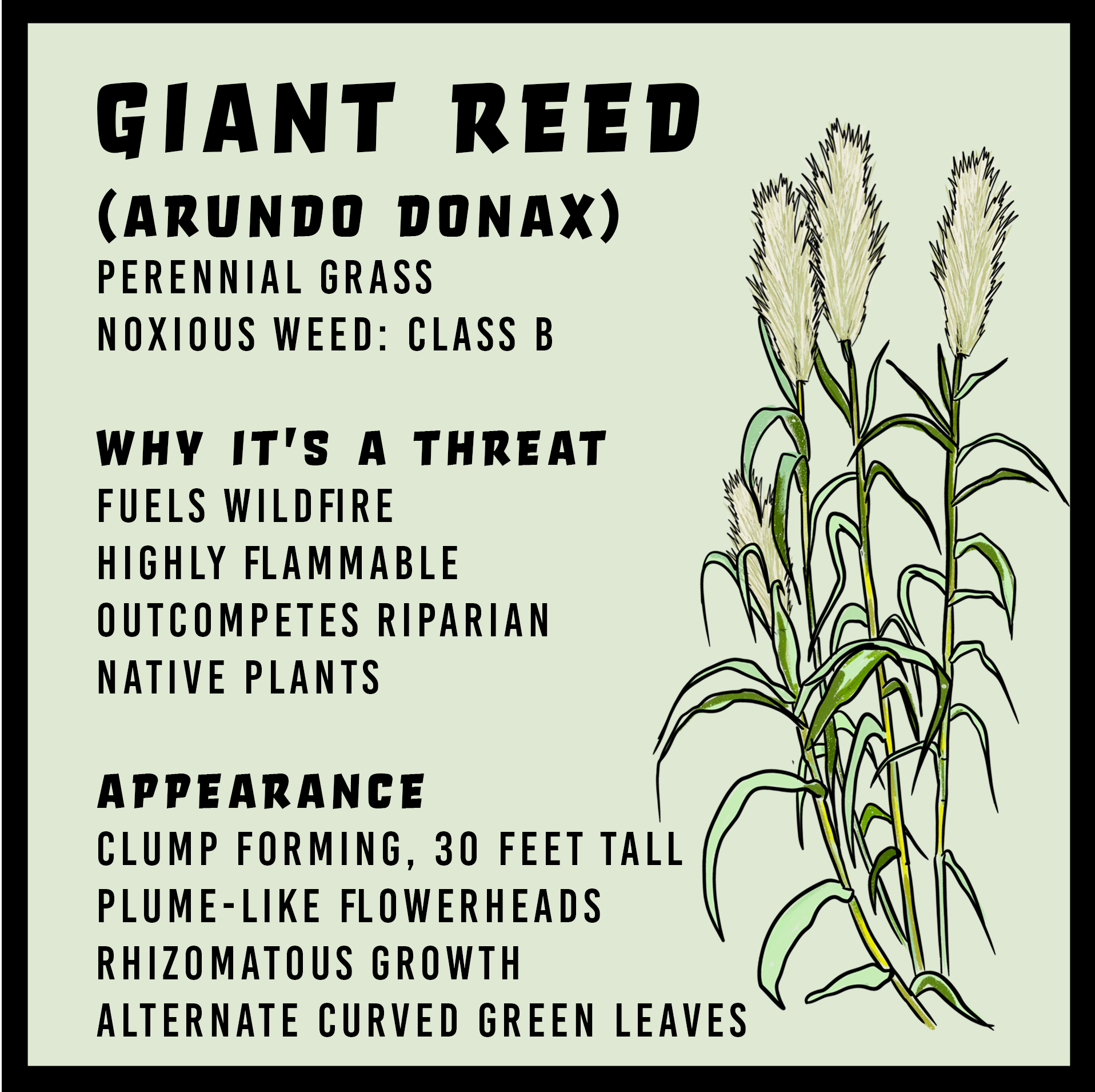
Giant Reed
Giant Reed (Arundo donax), believed to be native to the Mediterranean region, has become an invasive species in various parts of the world, including the Southwestern United States.
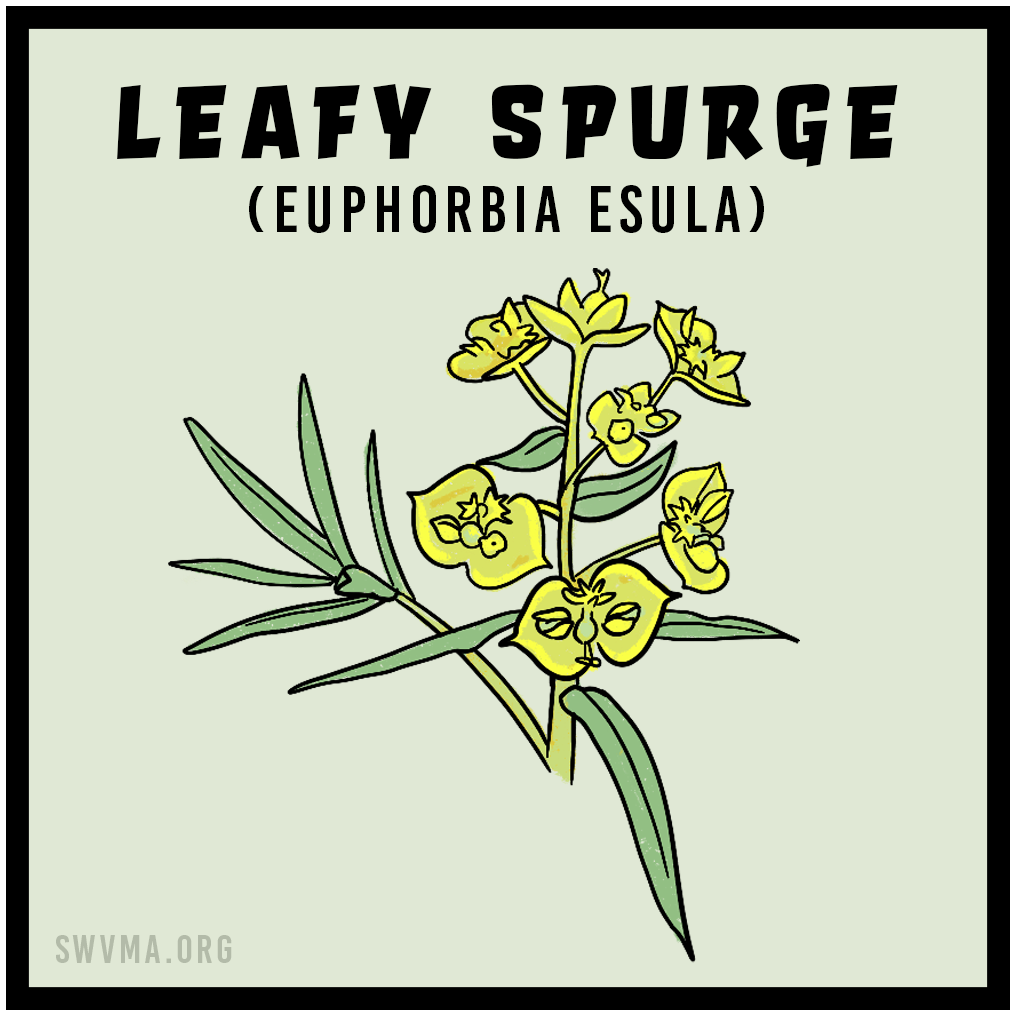
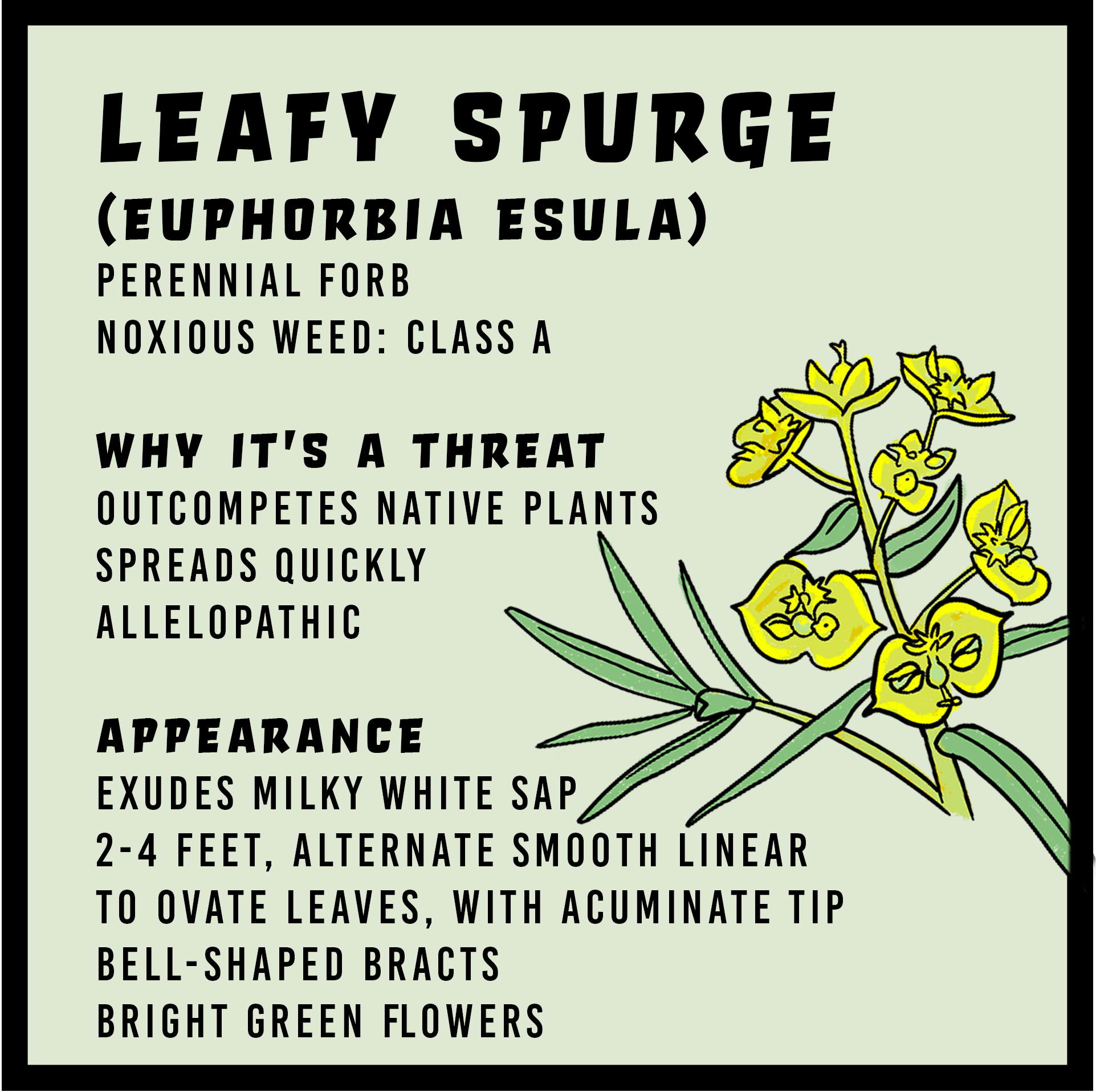
Leafy Spurge
Leafy Spurge (Euphorbia esula) is native to Europe and Asia and has become an invasive species in North America.
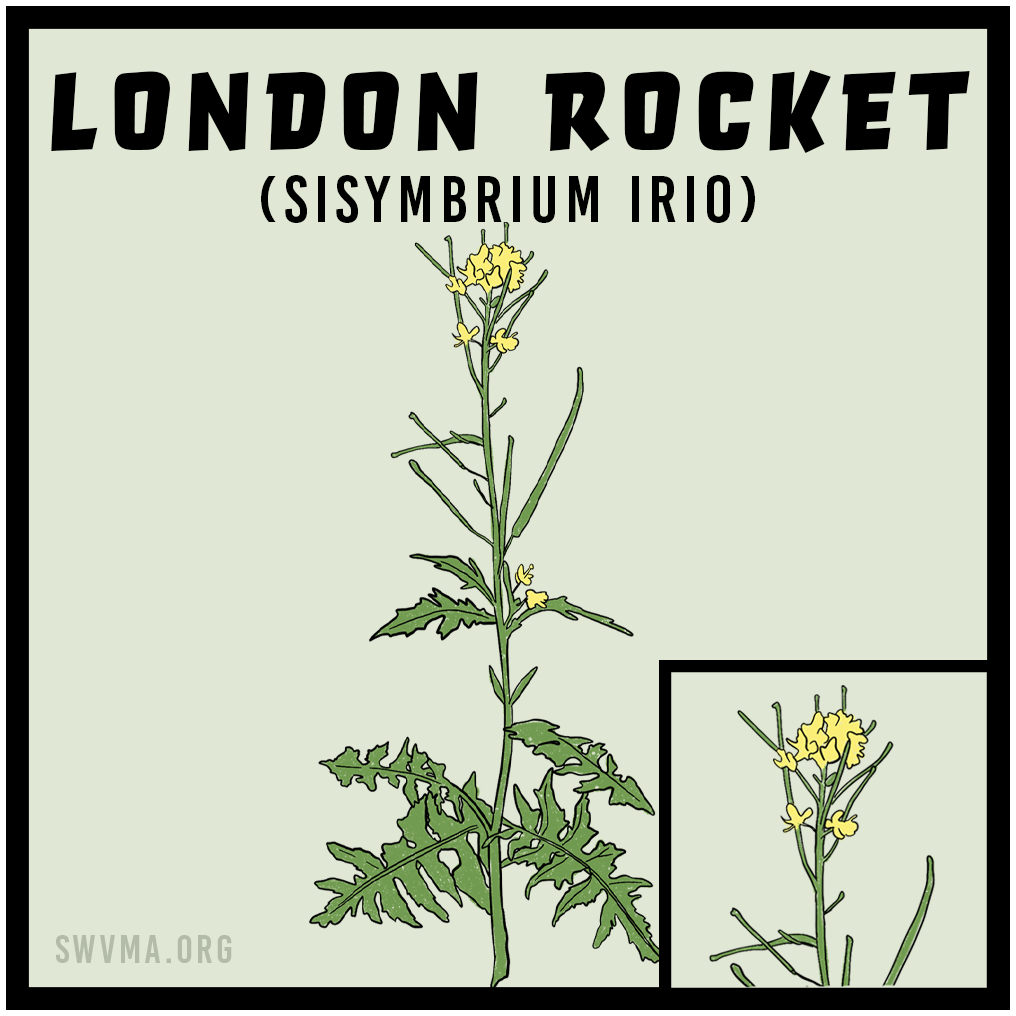
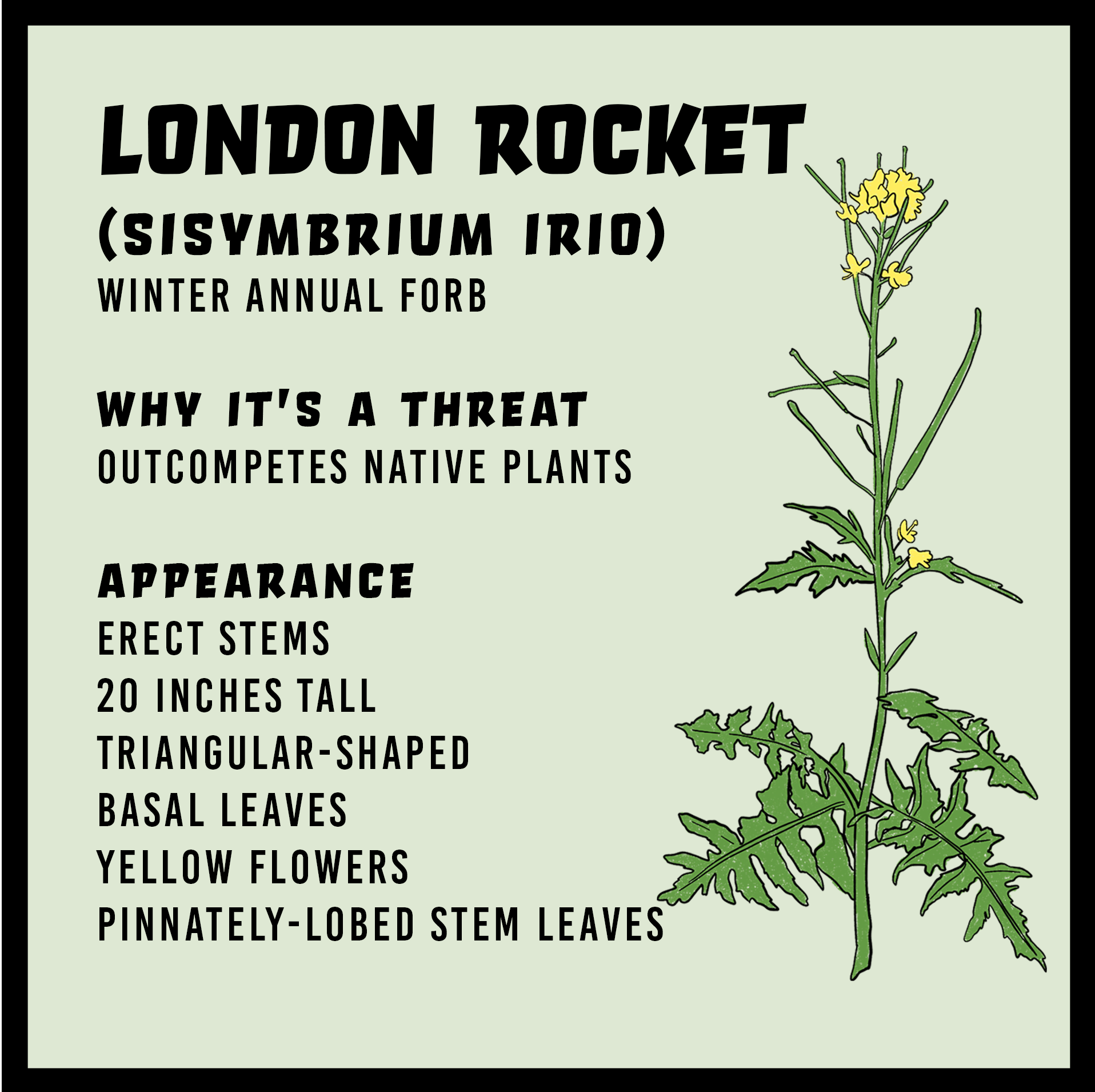
London Rocket
London Rocket (Sisymbrium irio) is believed to be native to the Mediterranean region and has become an invasive species in various parts of the world, including North America.
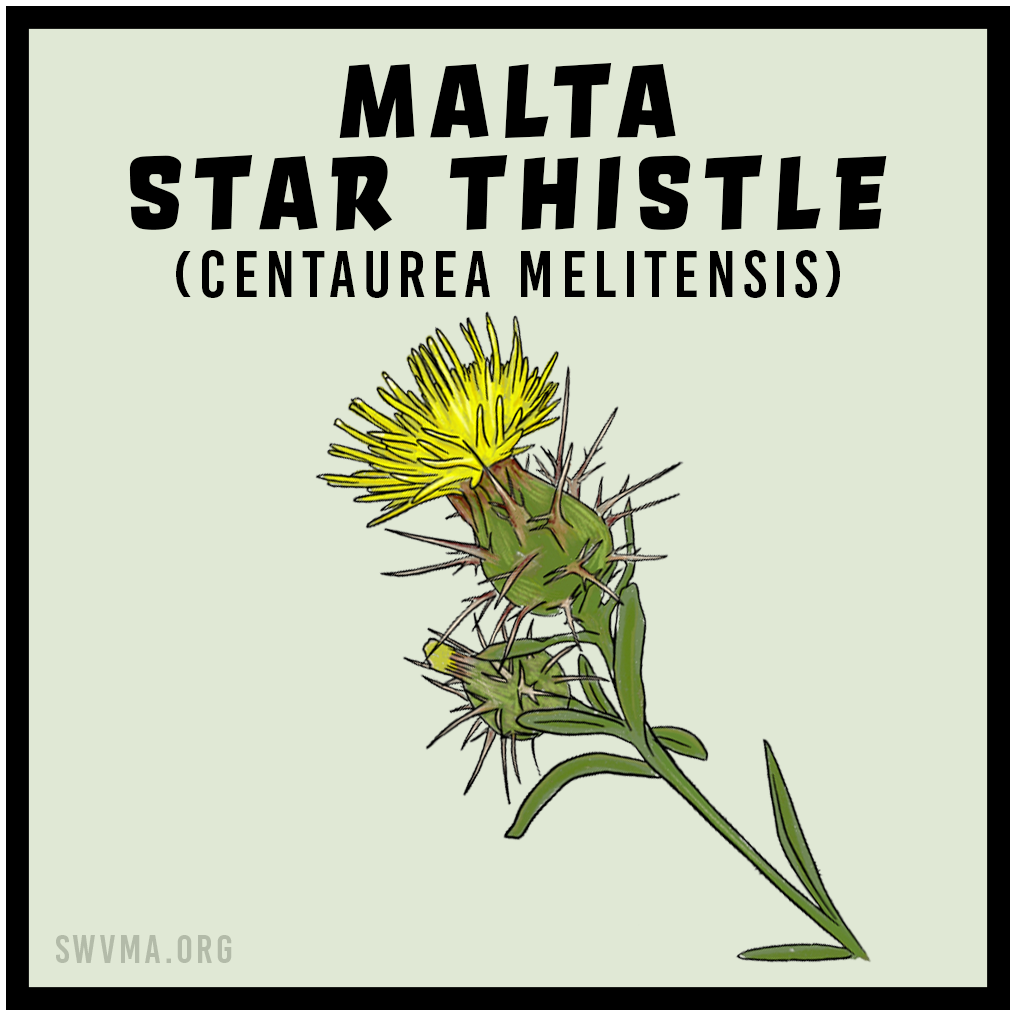
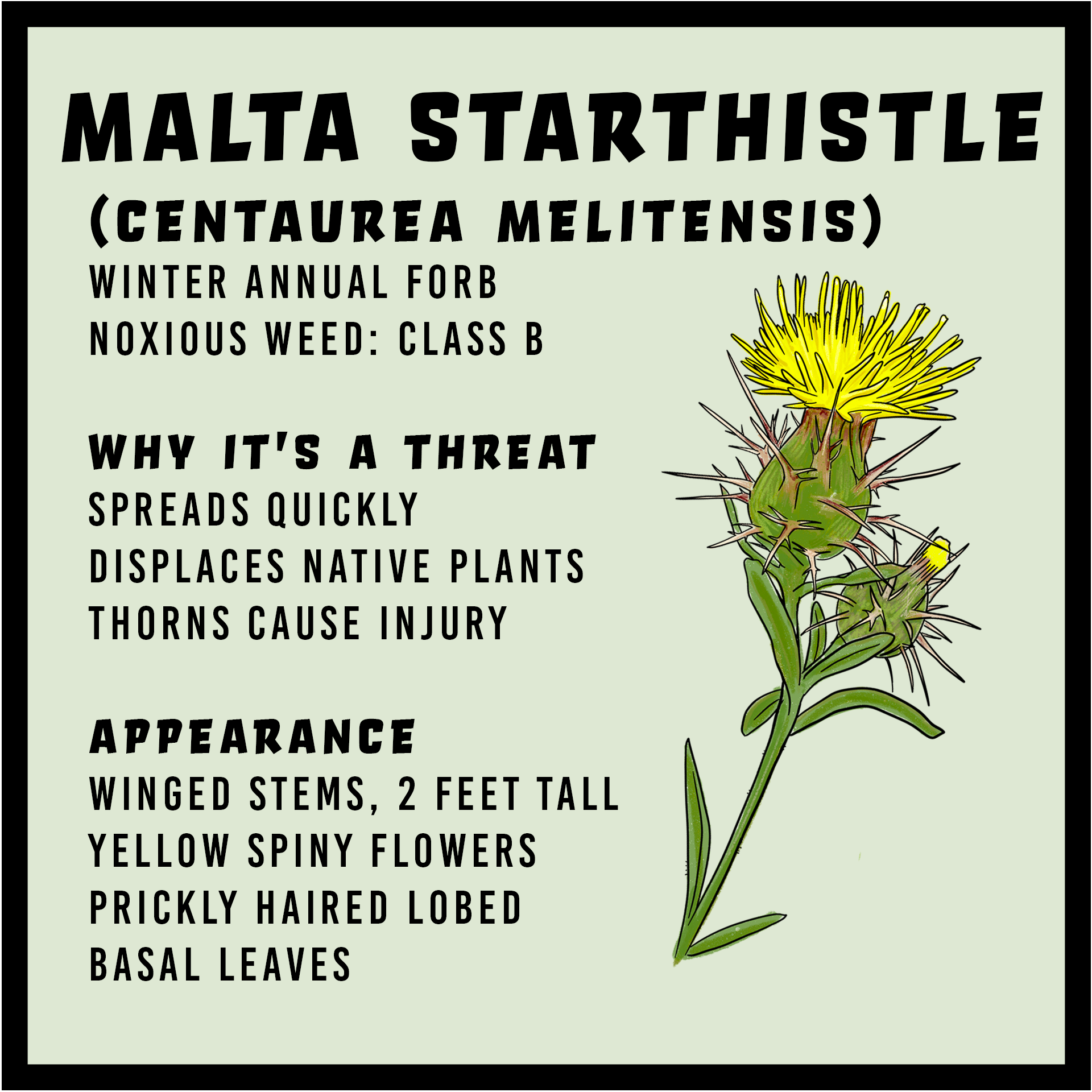
Malta Star Thistle
Malta Star Thistle (Centaurea melitensis) is believed to be native to the Mediterranean region and has become an invasive species in North America.
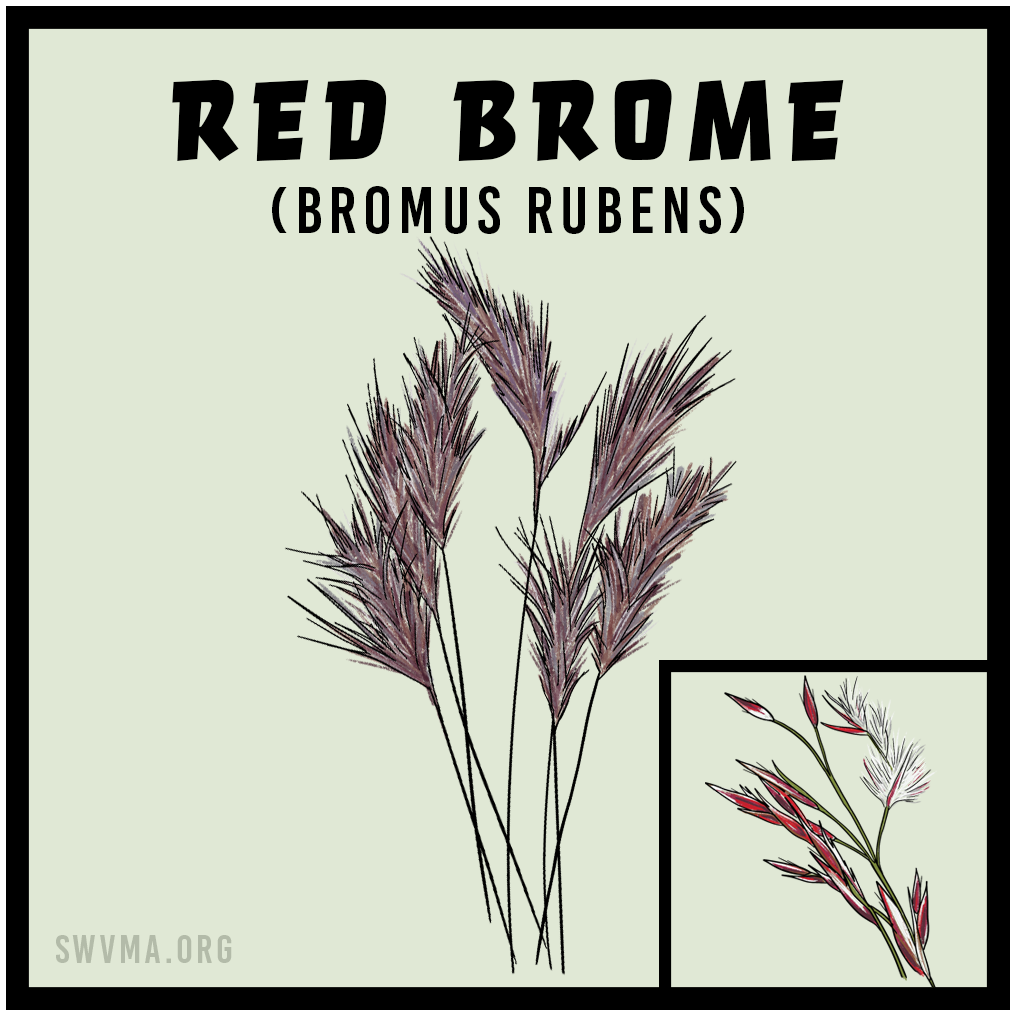
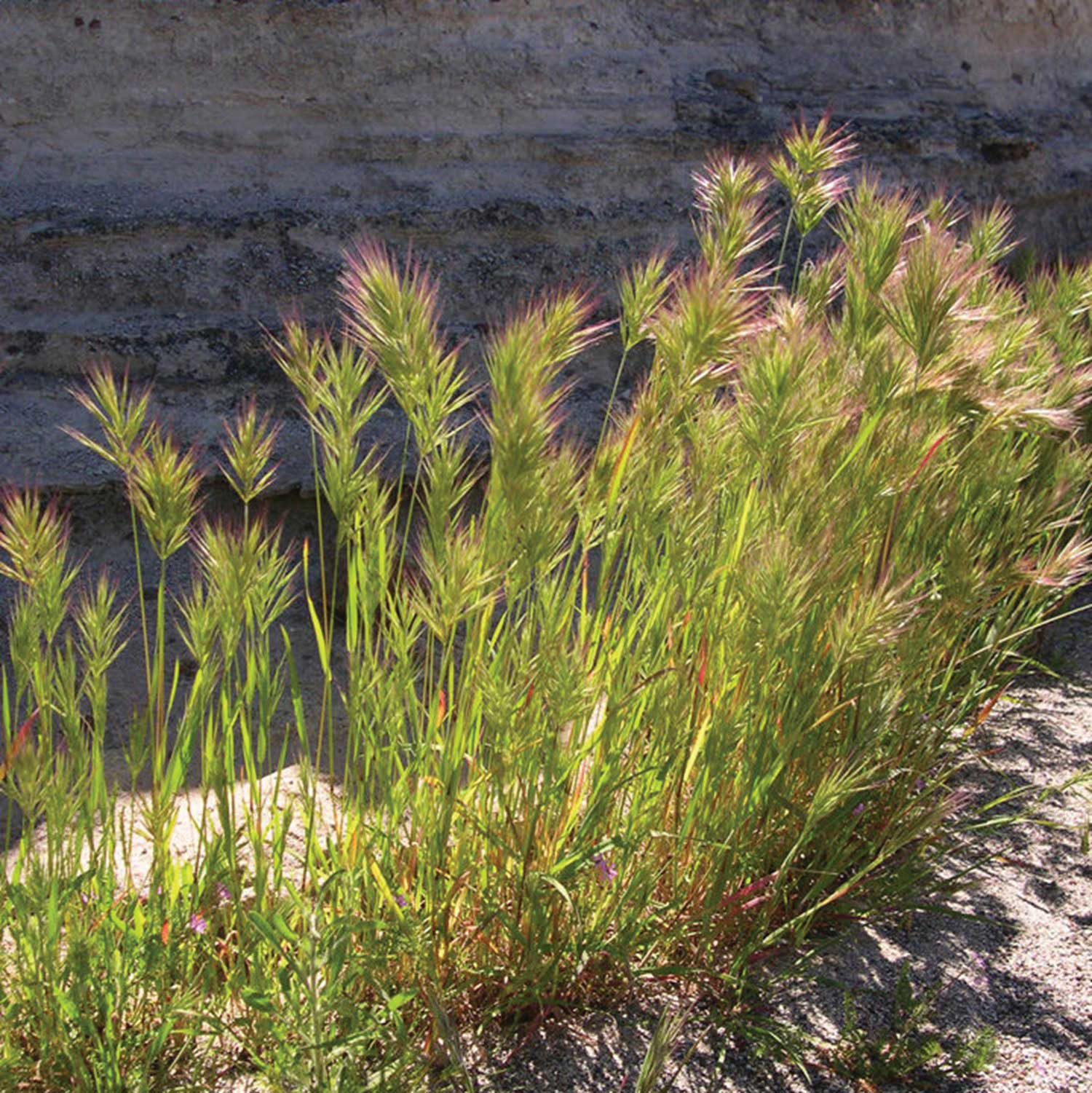
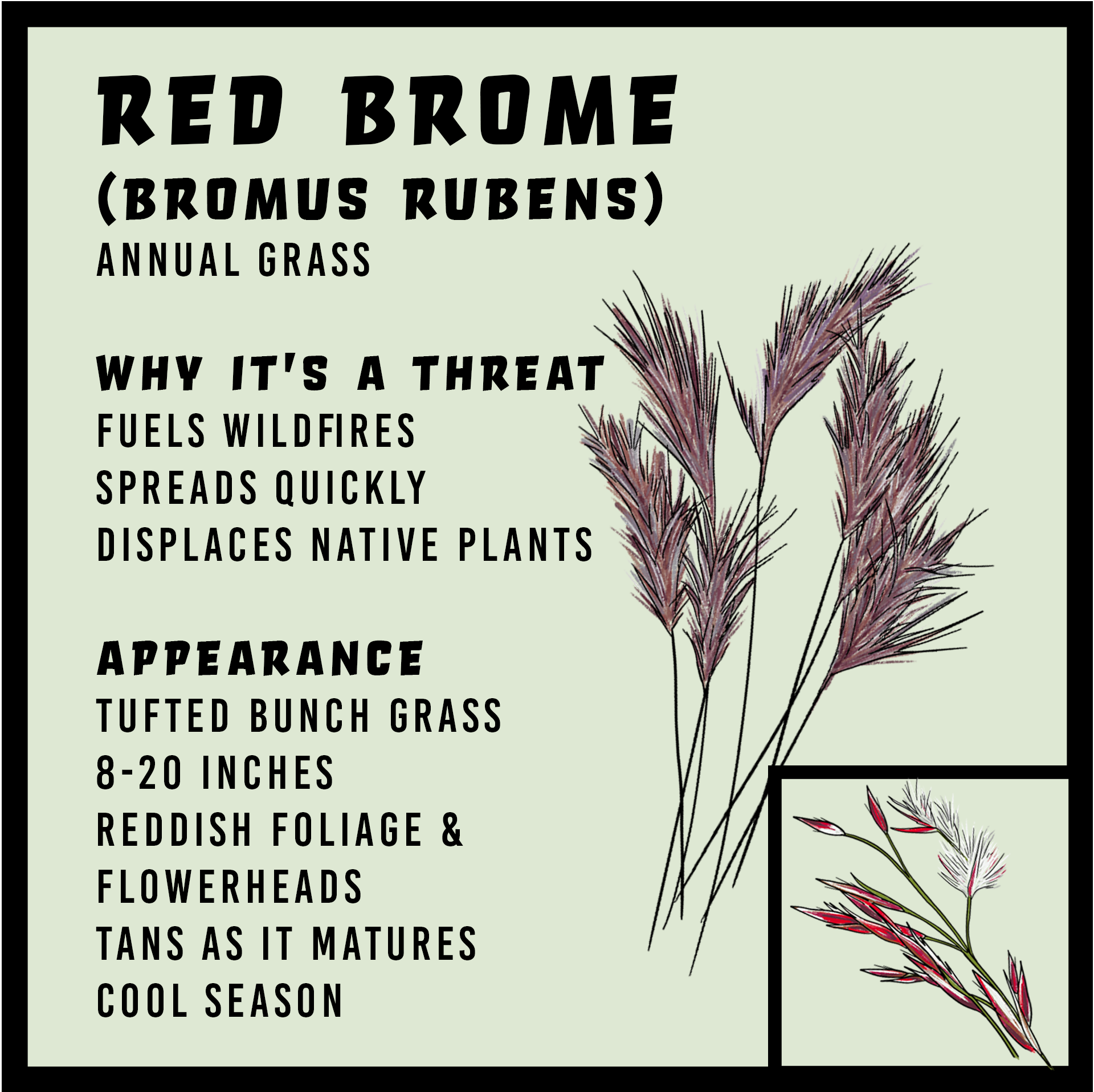
Red Brome
Red Brome is considered a problem due to its rapid growth, prolific seed production.
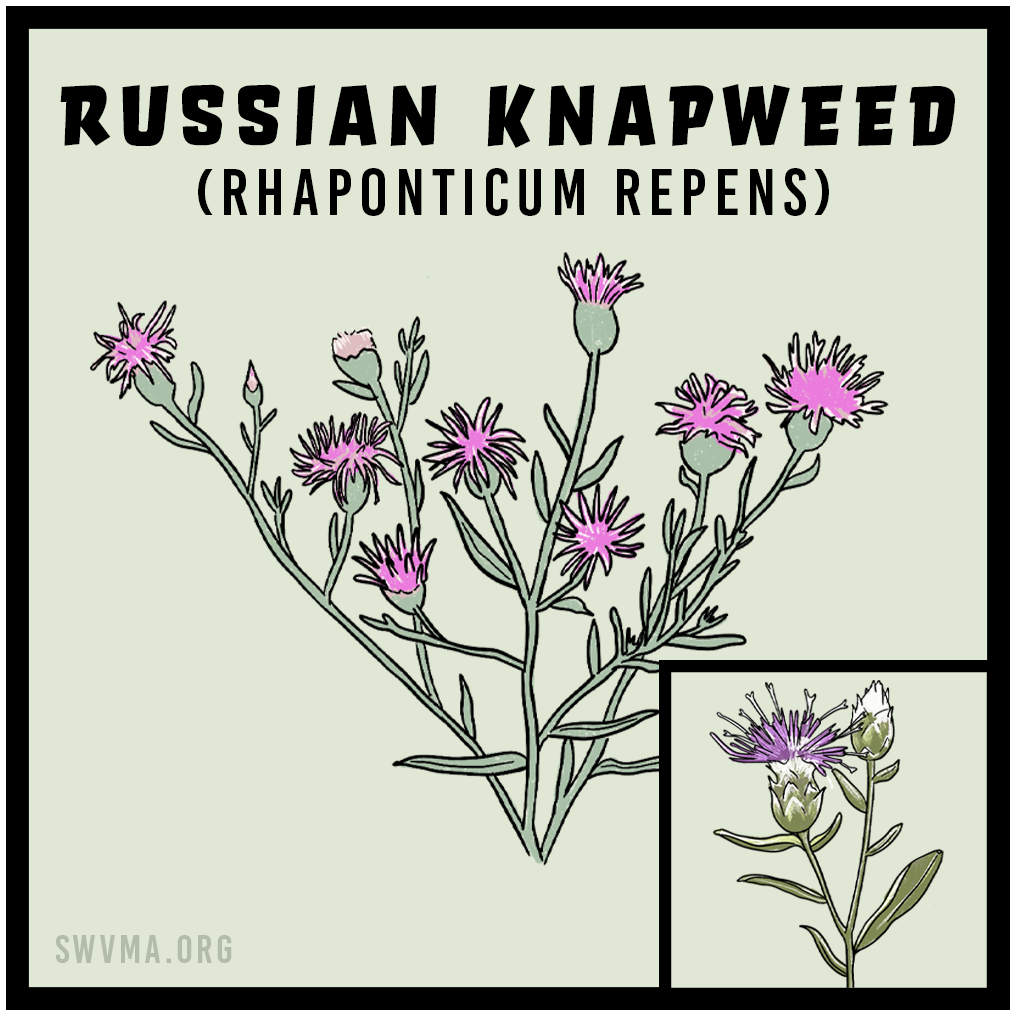
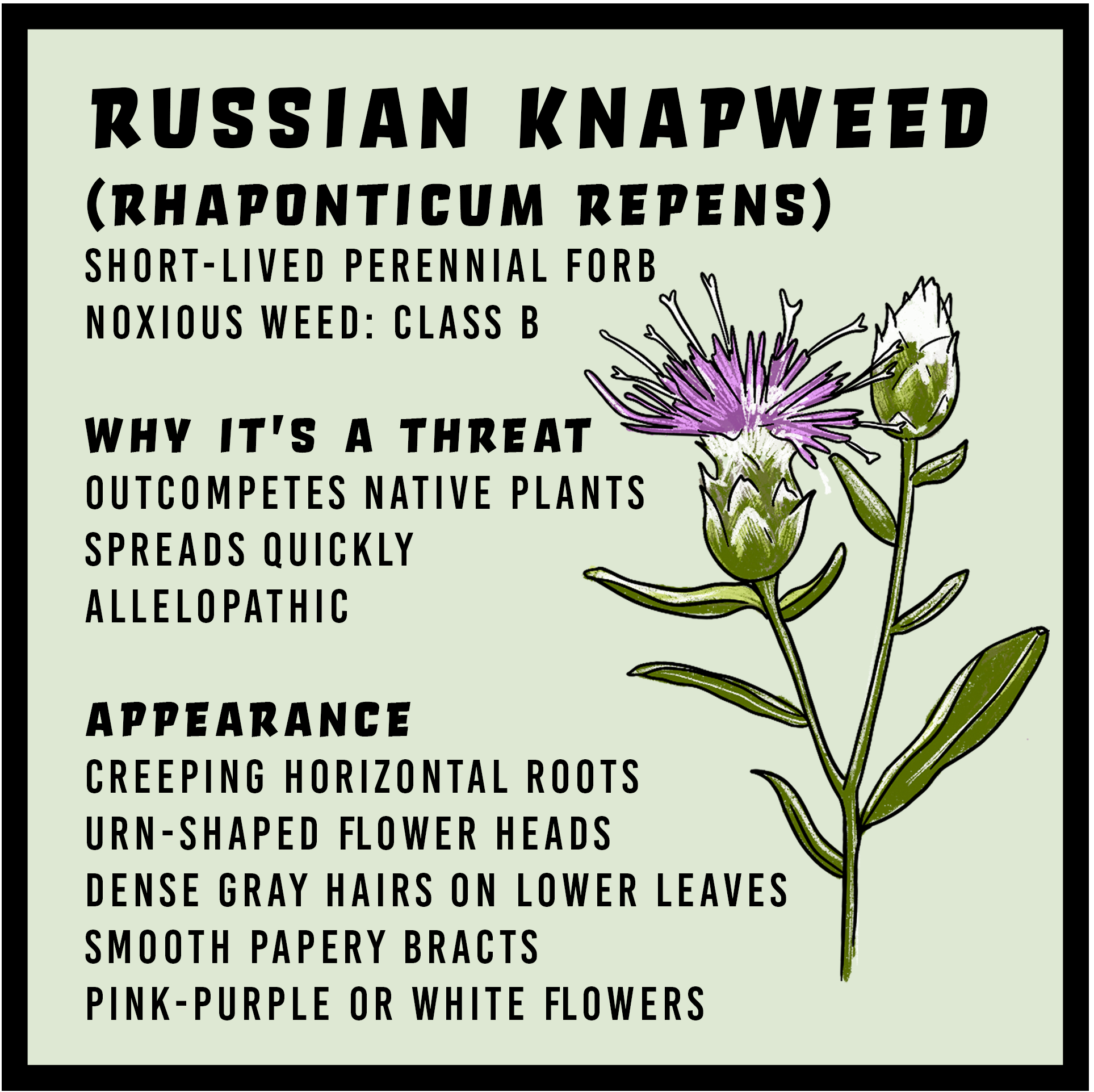
Russian Knapweed
Russian Knapweed is considered a problem due to its aggressive growth, rapid spread, and the ability to form dense stands, displacing native vegetation and impacting ecosystems.
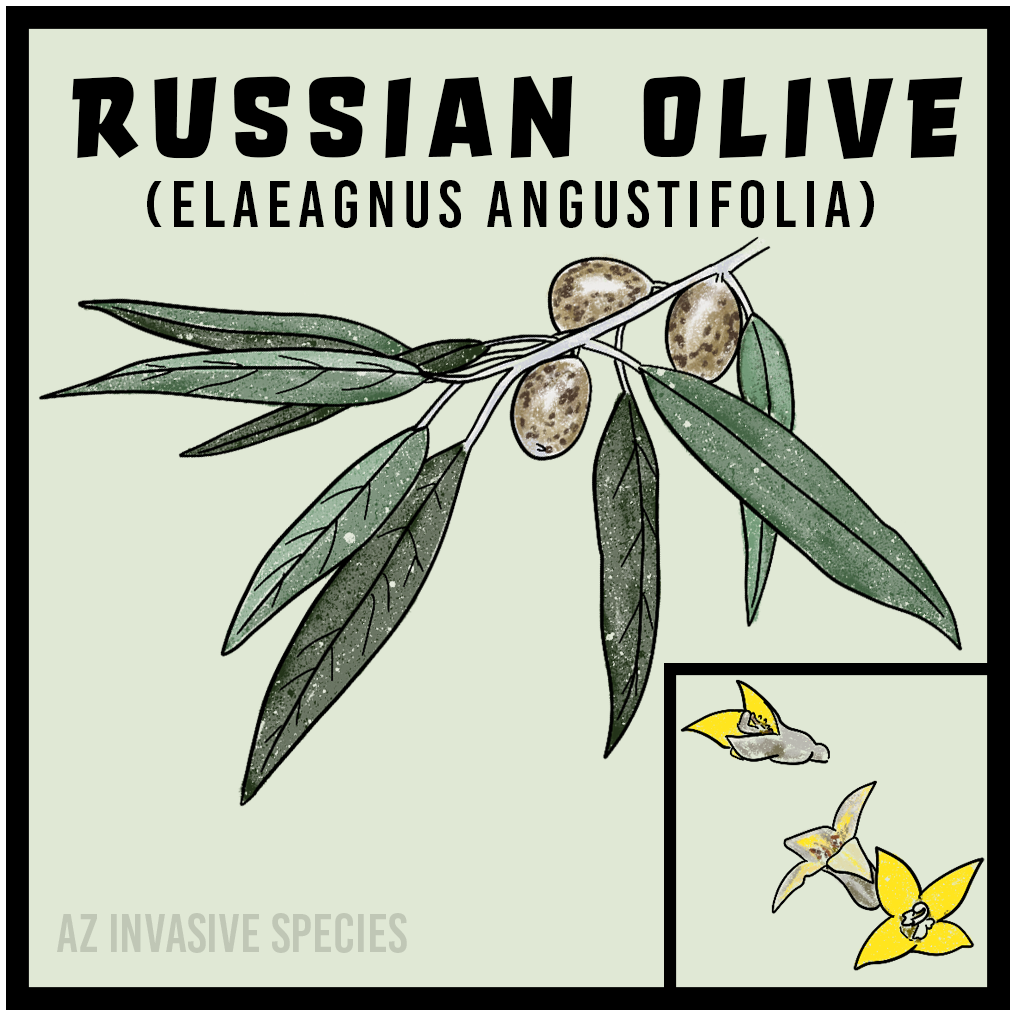
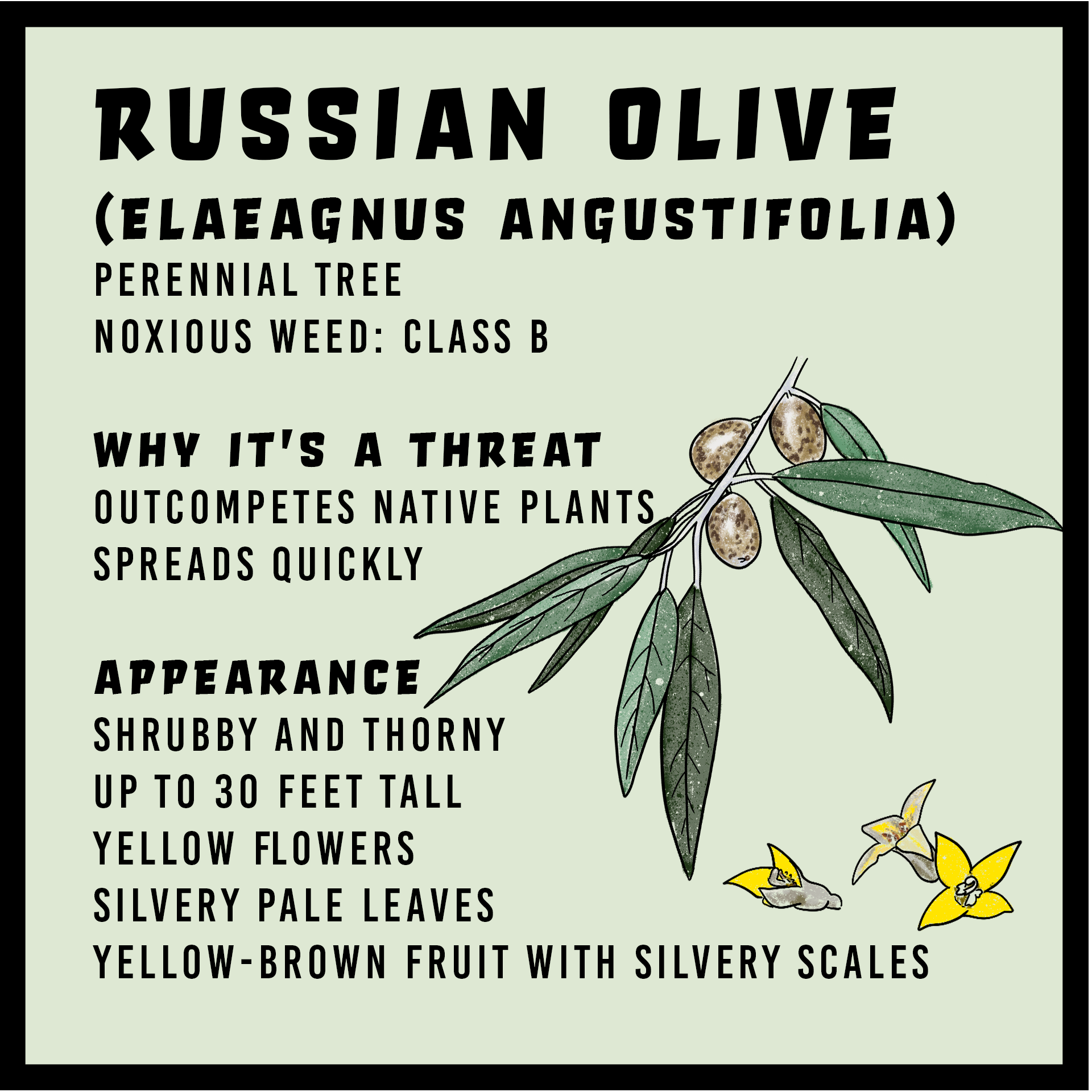
Russian Olive
Russian Olive is considered a problem due to its aggressive growth, rapid spread, and the ability to form dense stands, displacing native vegetation and altering ecosystems.
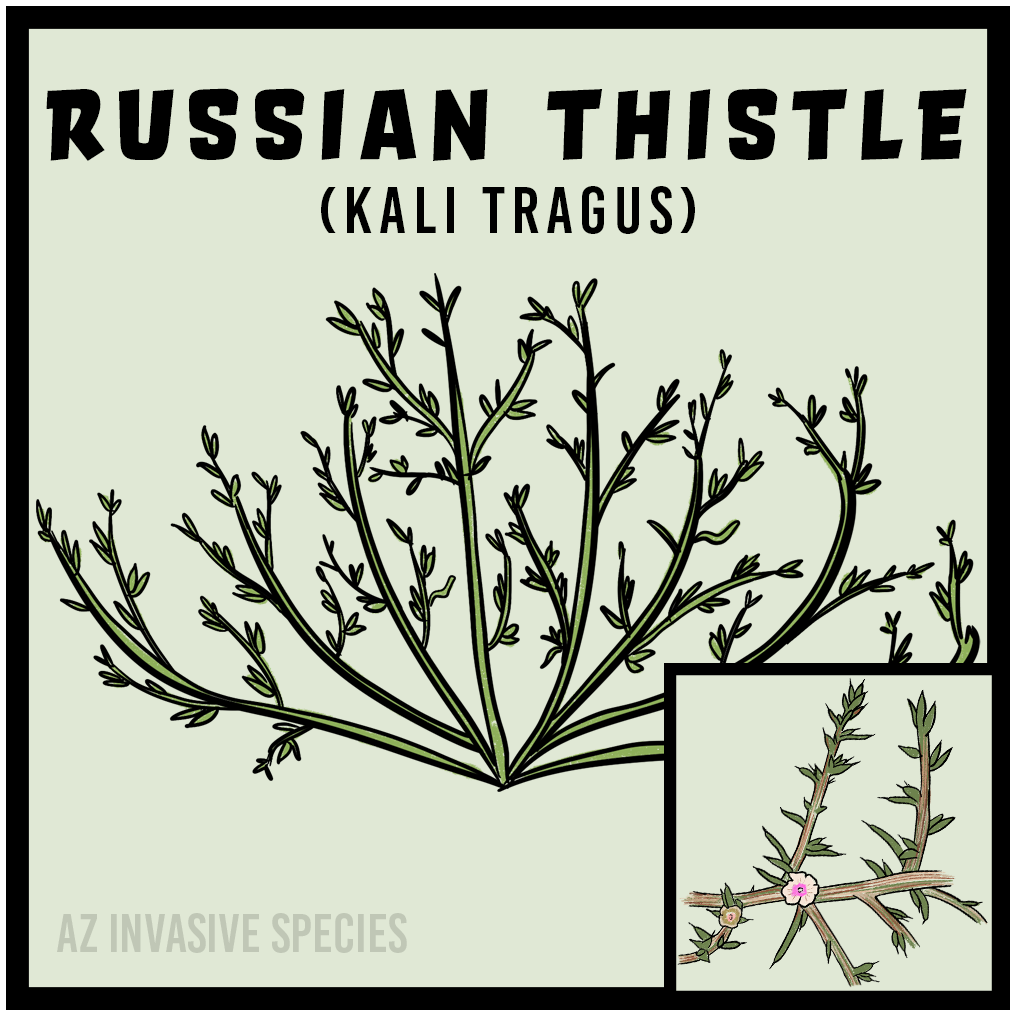
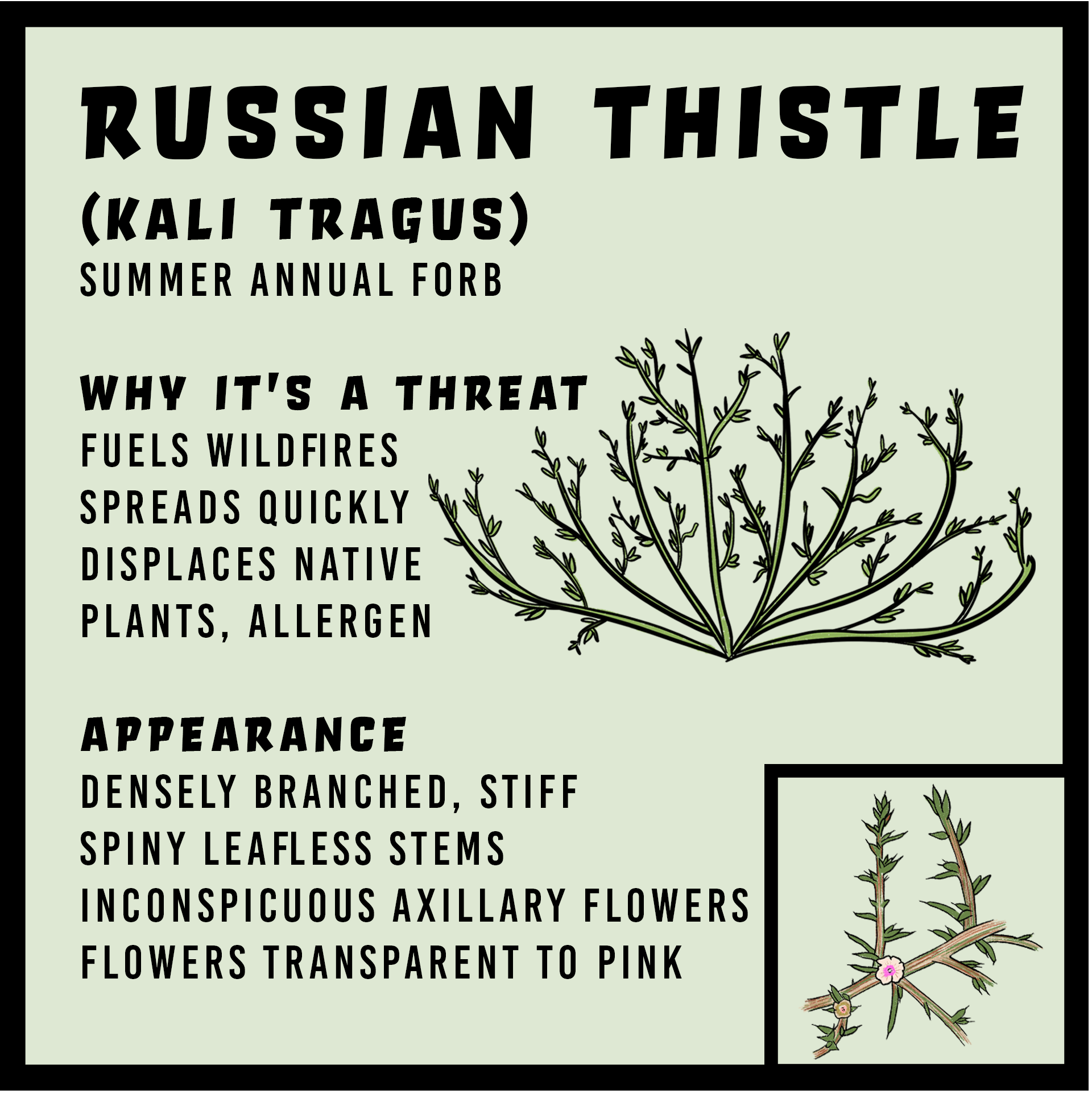
Russian Thistle (Tumbleweed)
Tumbleweed, often referring to Russian Thistle in the context of invasive plants, is believed to have originated in Eurasia and has become an invasive species in North America.
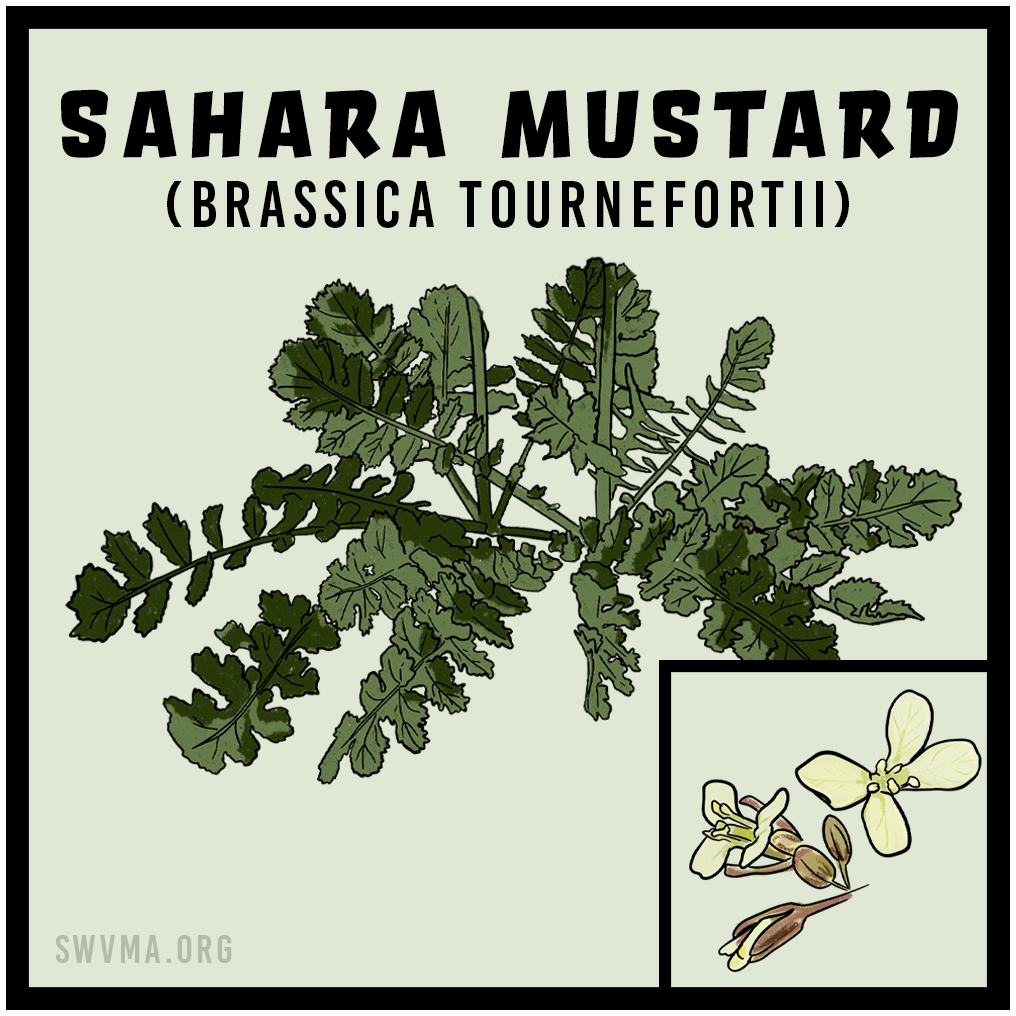
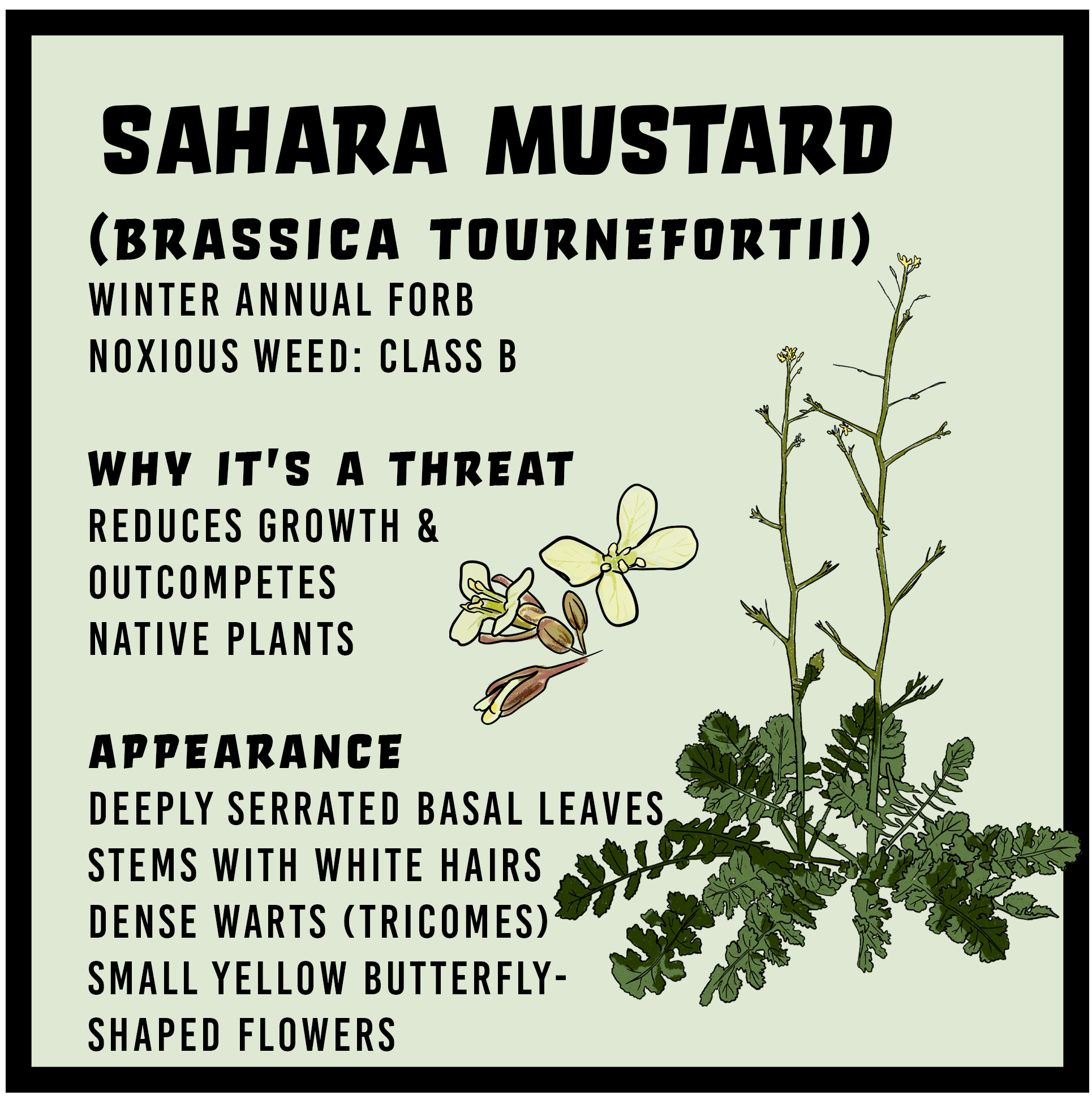
Sahara Mustard
Sahara Mustard (Brassica tournefortii) is believed to have originated in North Africa and has become an invasive species in parts of North America.
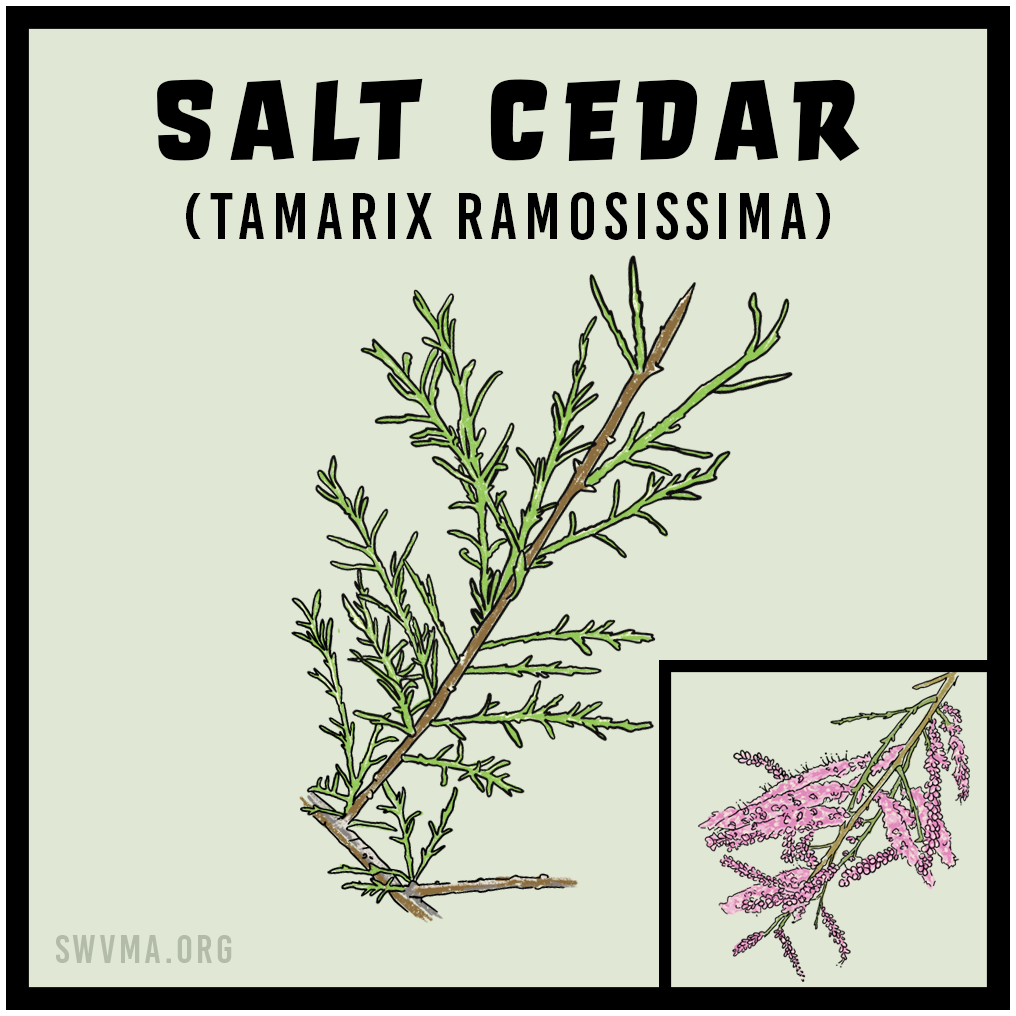
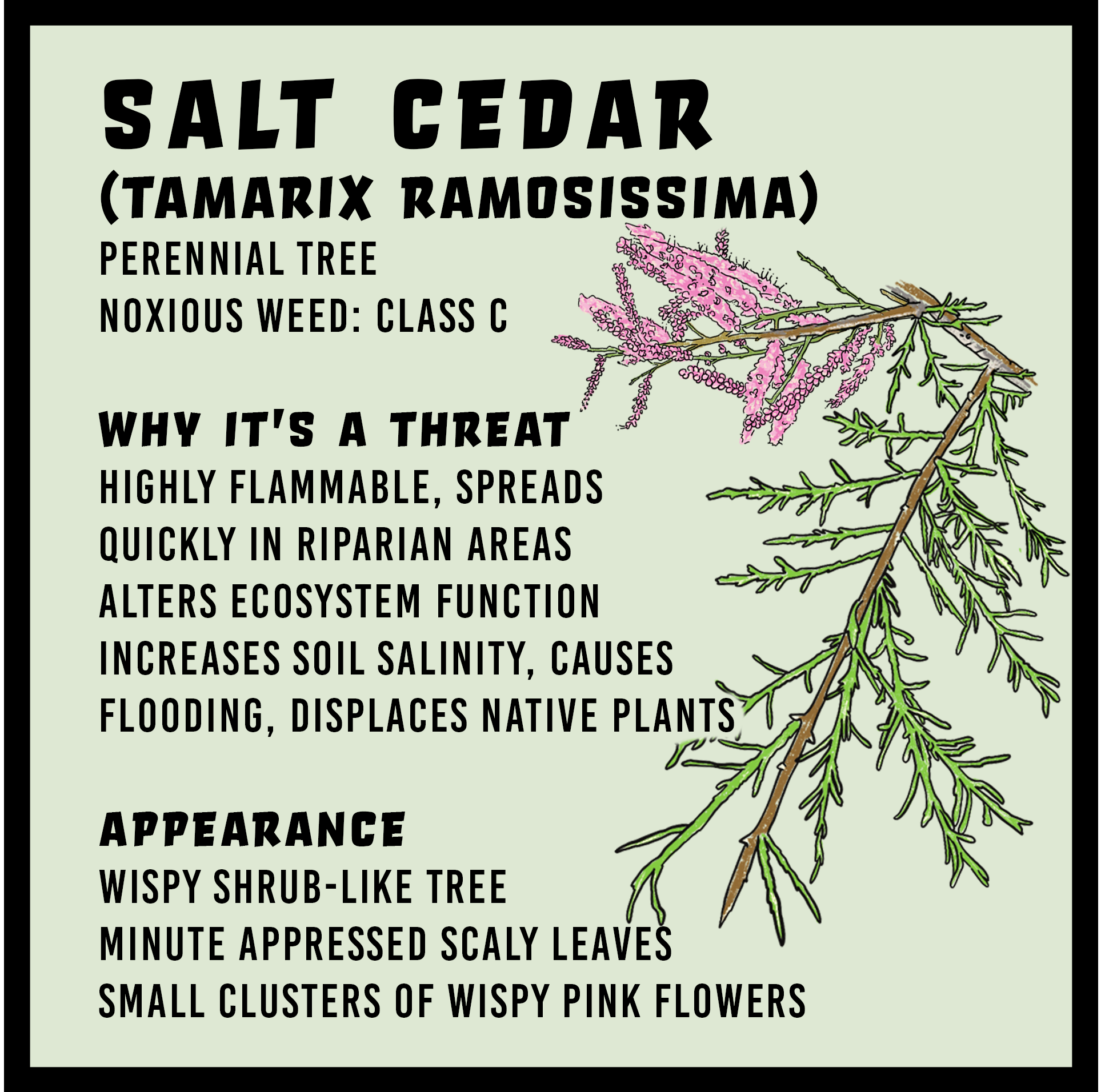
Salt Cedar
Salt Cedar (Tamarix spp.) is native to Eurasia and has become an invasive species in various parts of North America.
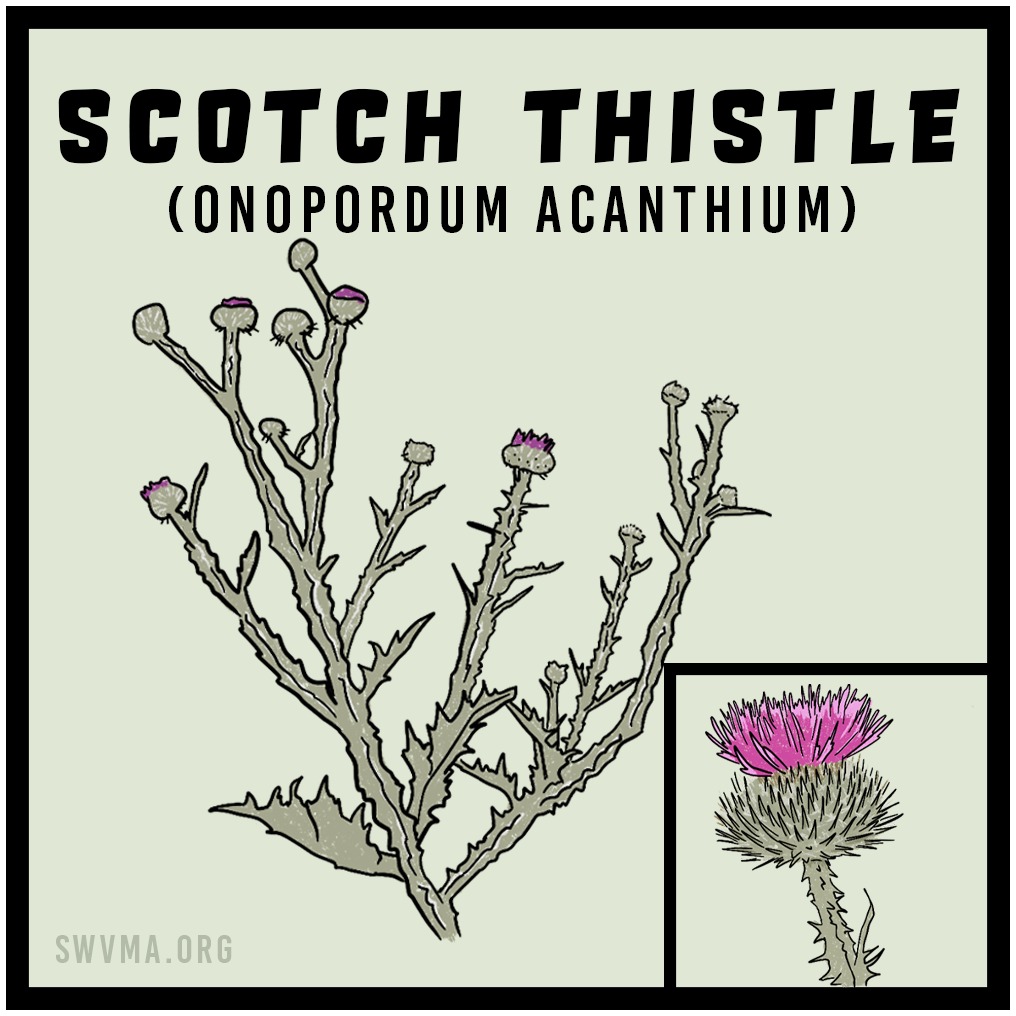
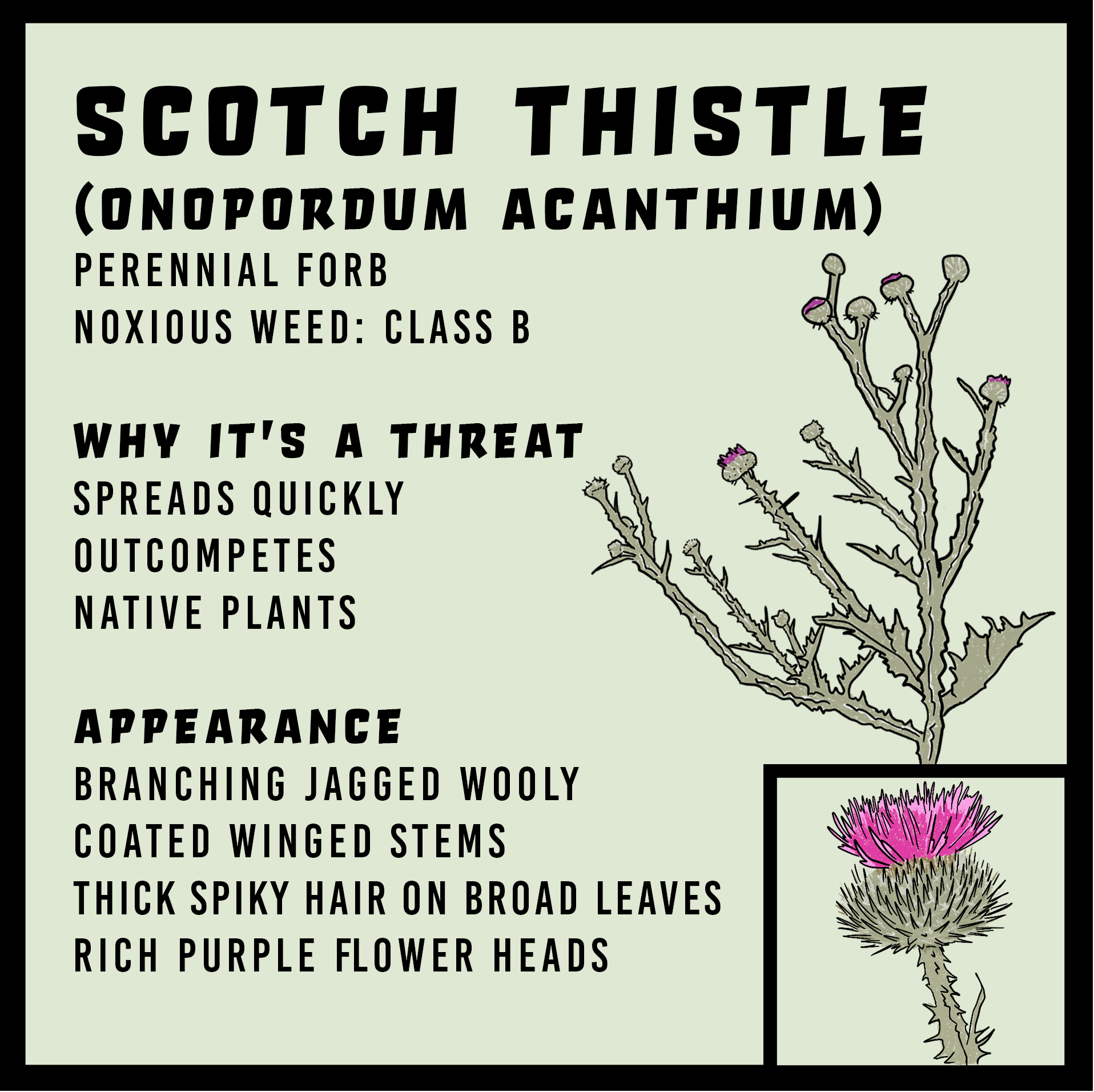
Scotch Thistle
Scotch Thistle (Onopordum acanthium) is native to Eurasia and has become an invasive species in various parts of North America.
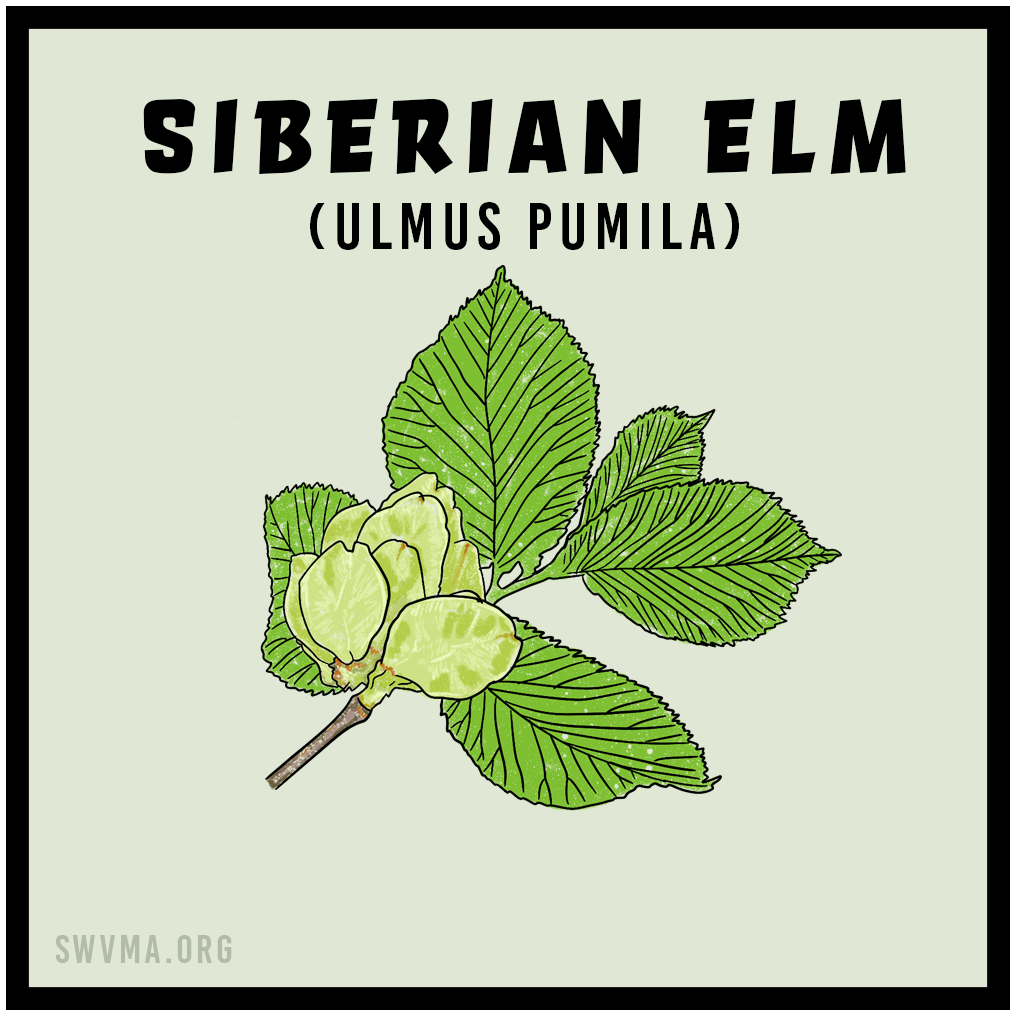
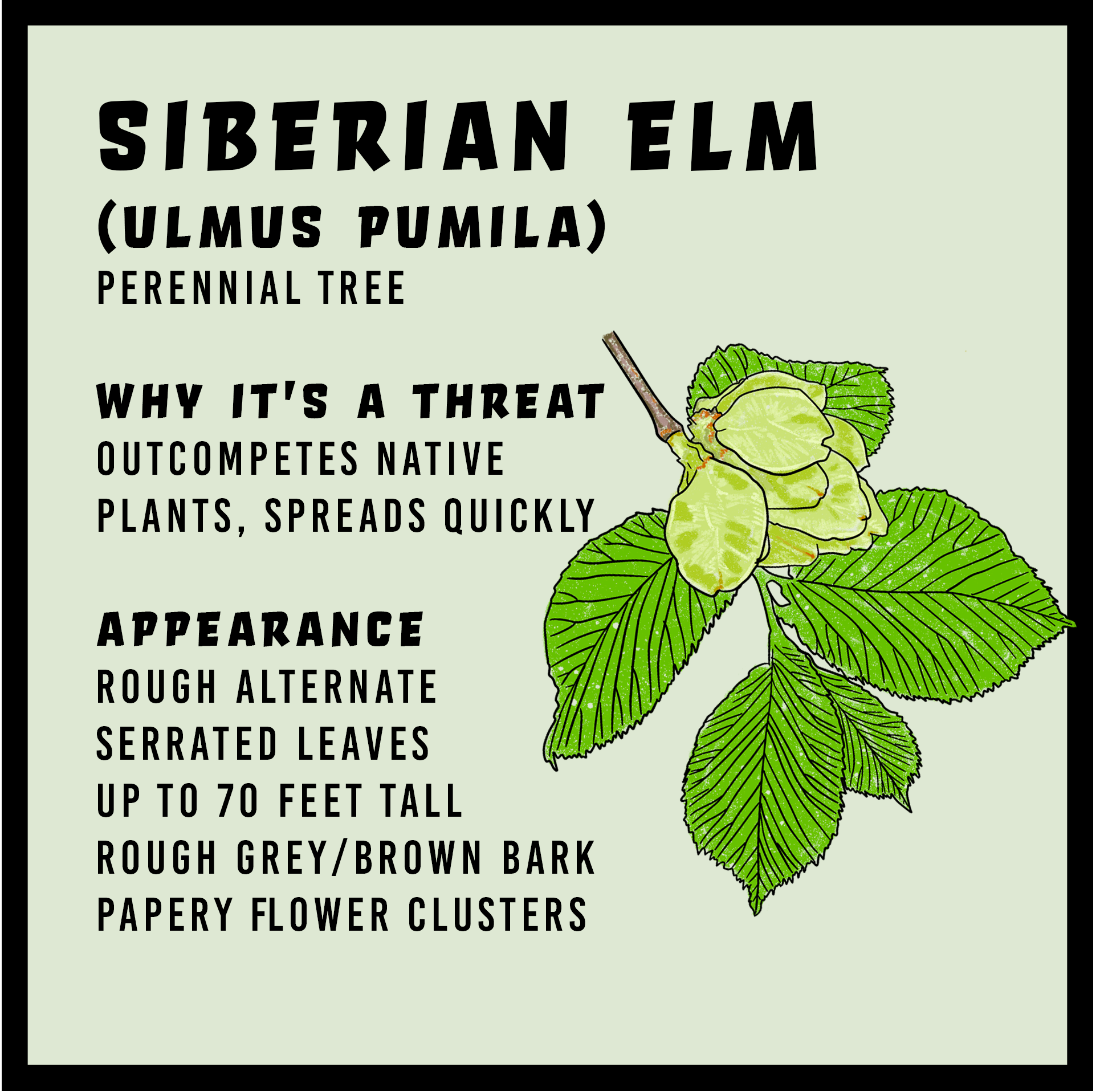
Siberian Elm
Siberian Elm (Ulmus pumila) is native to Asia and has become an invasive species in various parts of North America.
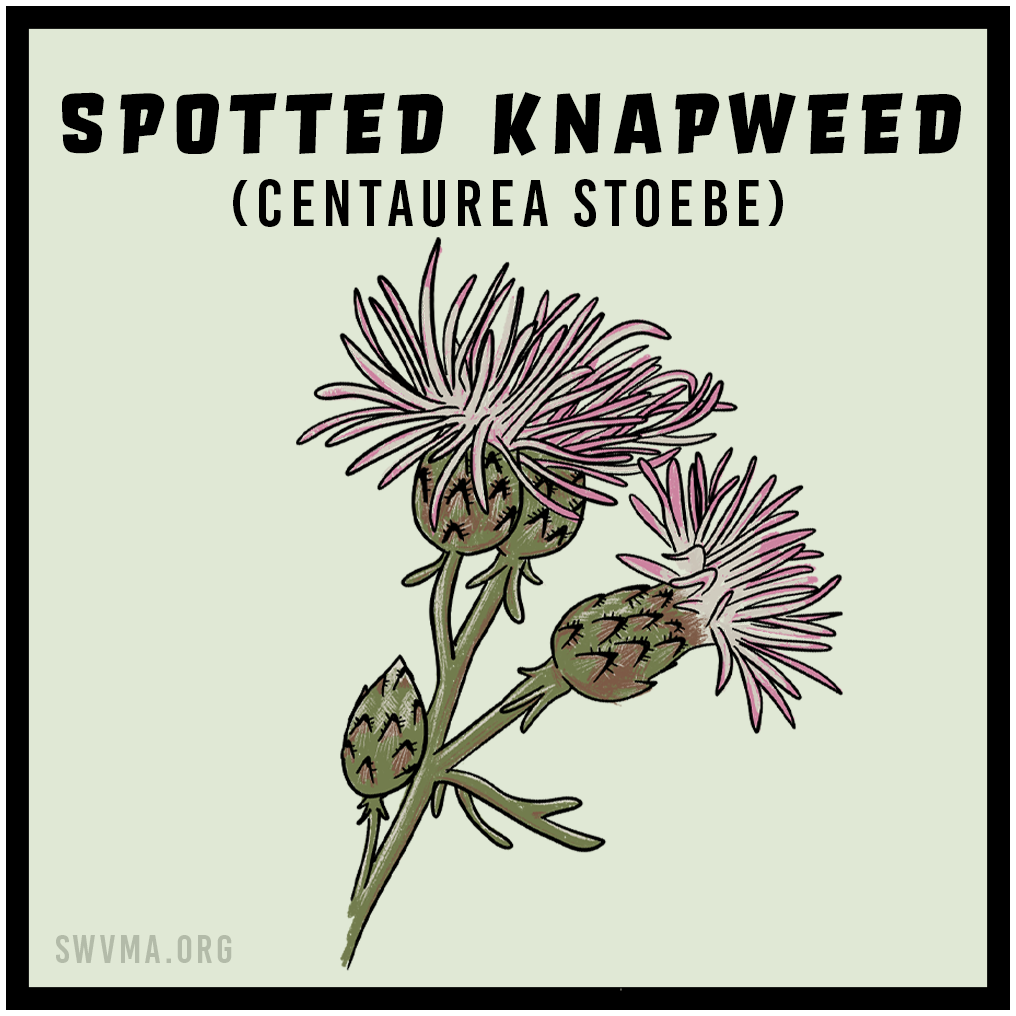
Spotted Knapweed
Spotted Knapweed (Centaurea stoebe) is native to Eurasia and has become an invasive species in North America.
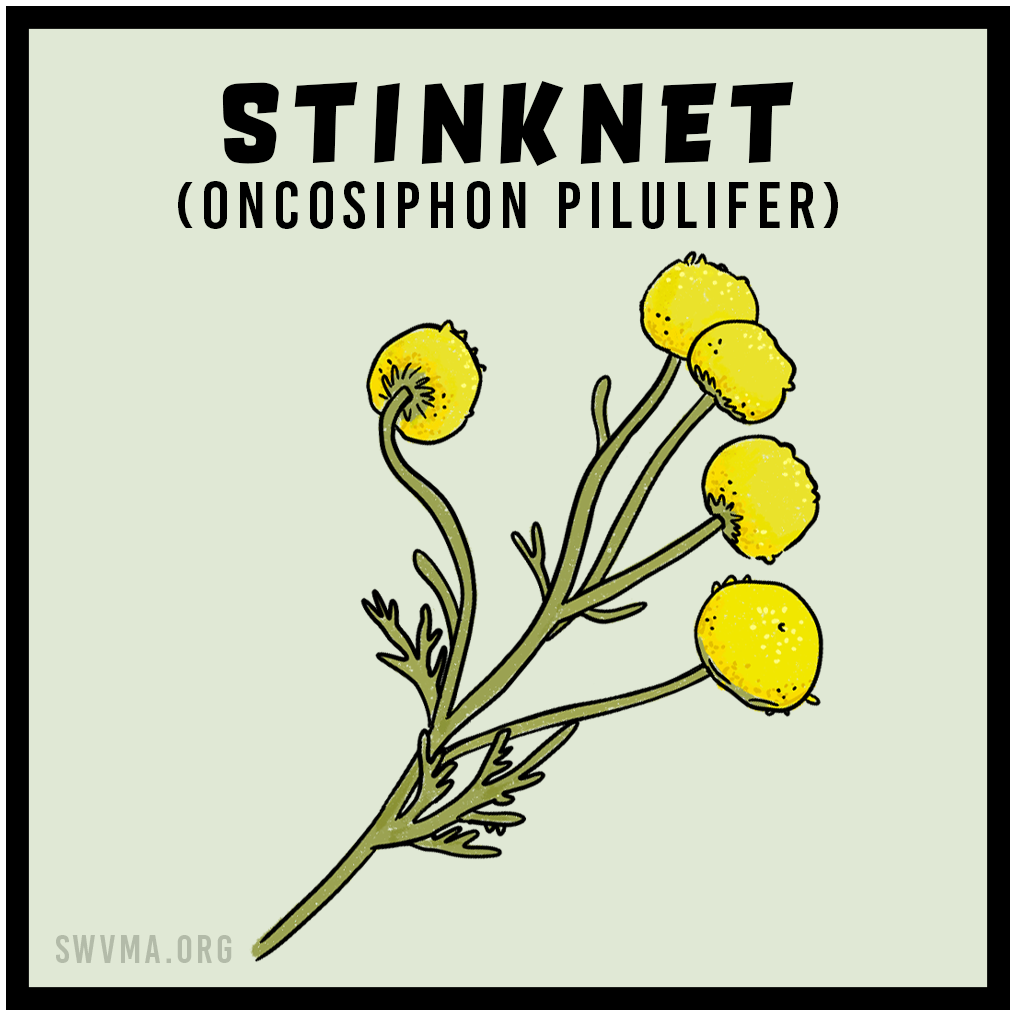
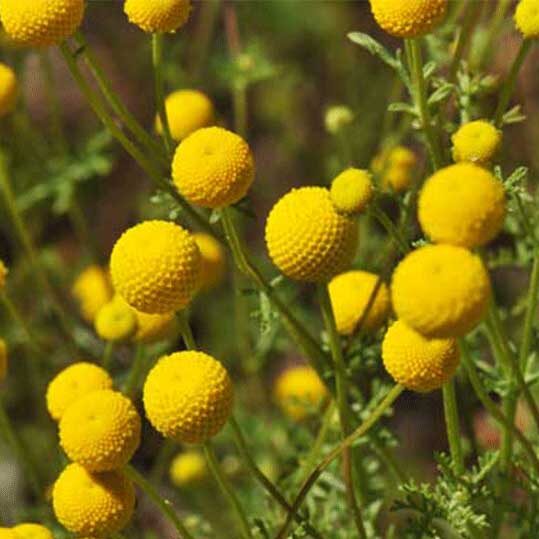
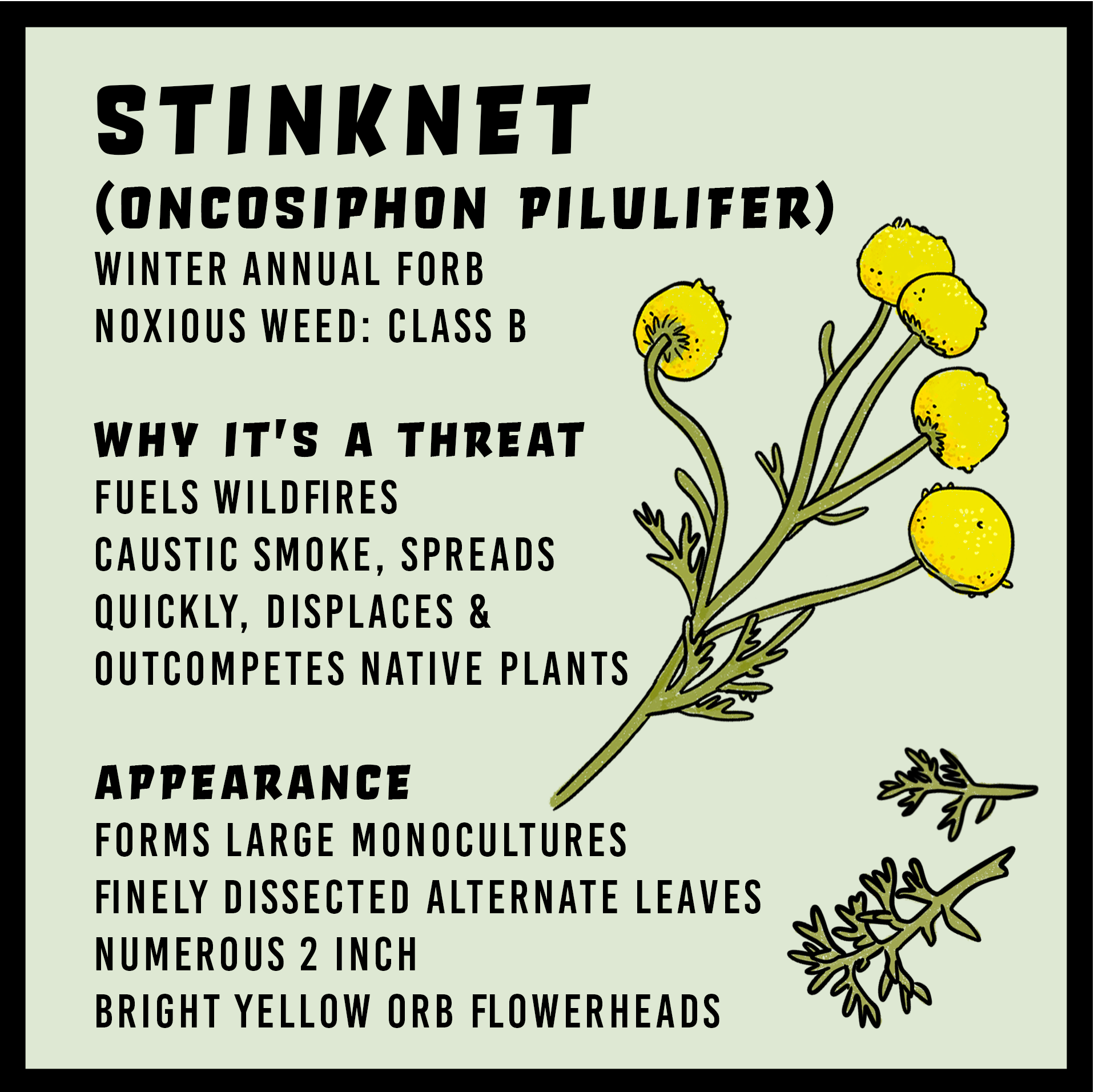
Stinknet
Stinknet (Globe Chamomile) Stinknet, an invasive African annual weed that
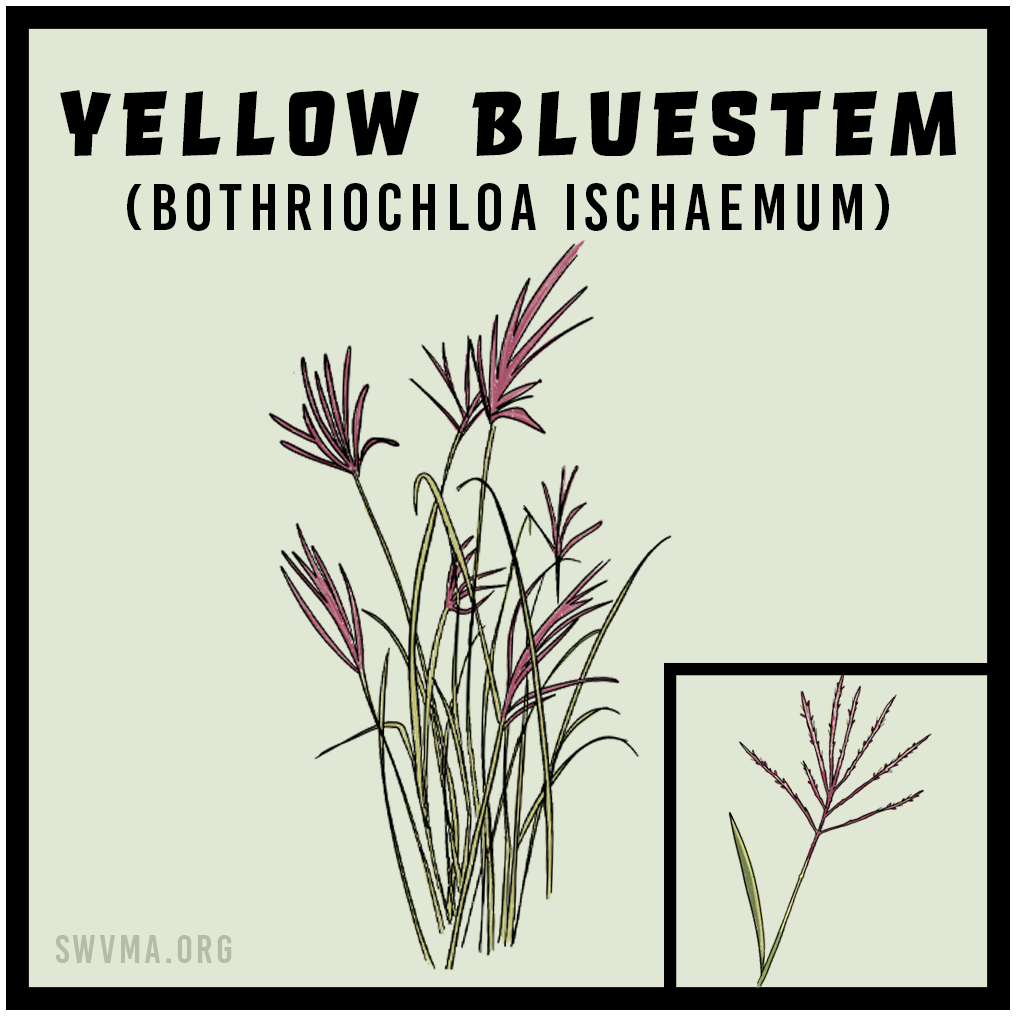
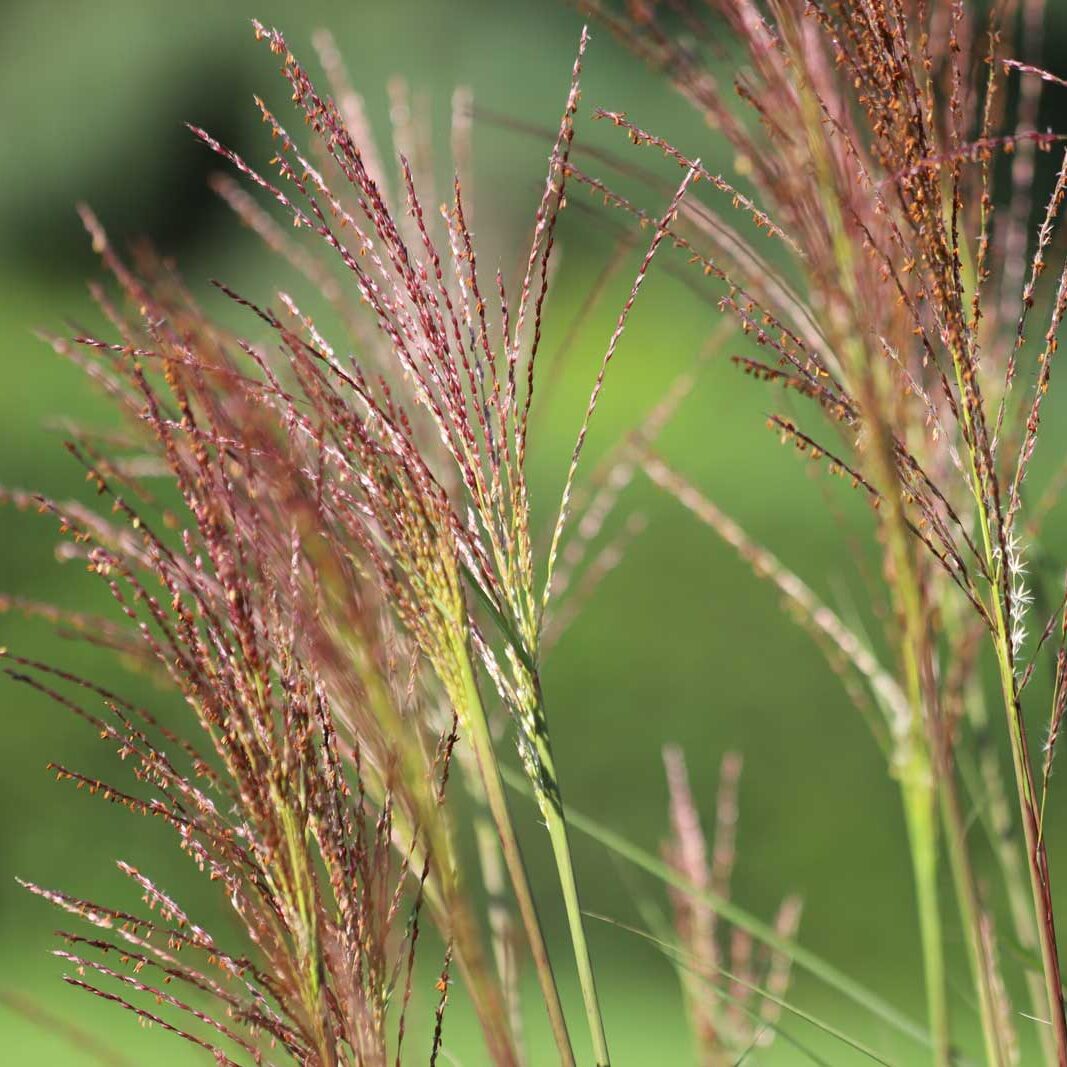
Yellow Bluestem Grass
Yellow Bluestem is considered a problem due to its aggressive growth, rapid spread, and the ability to form dense stands, displacing native vegetation and impacting ecosystems.
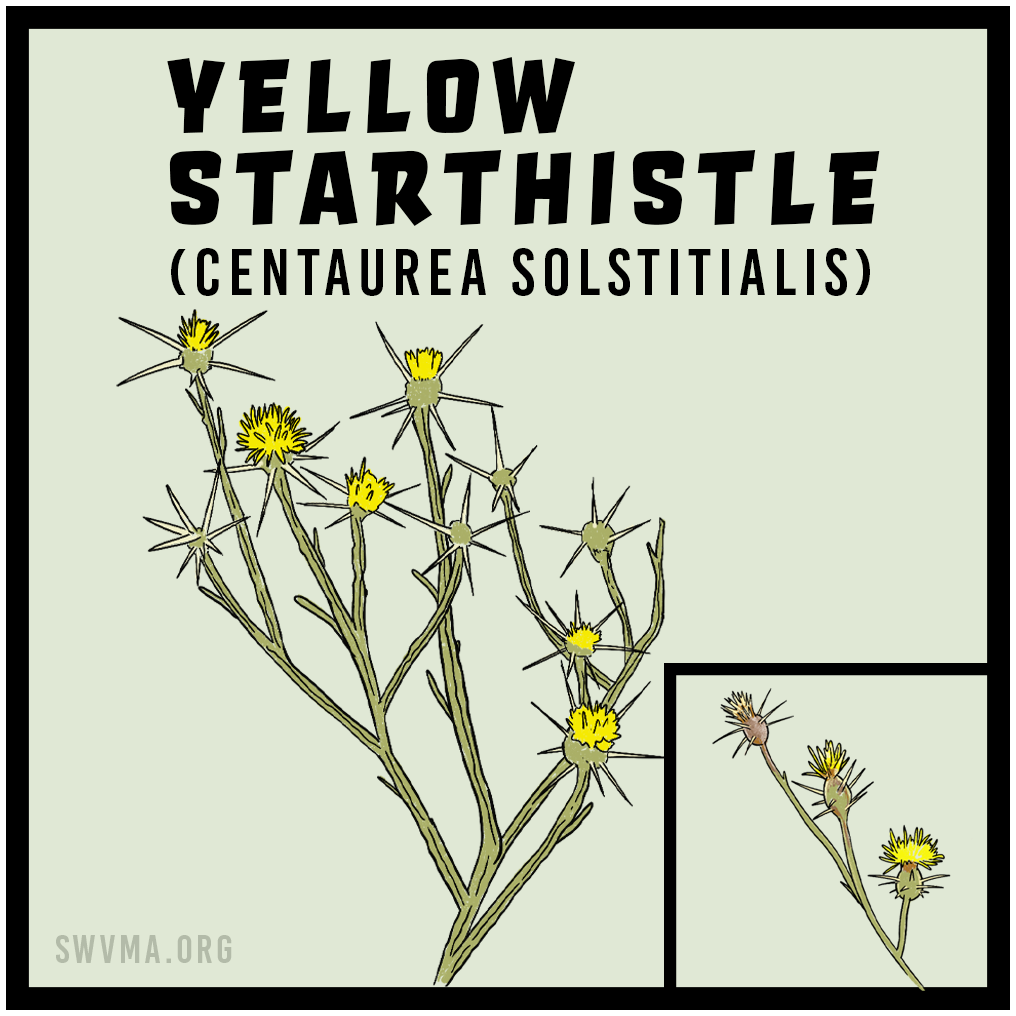
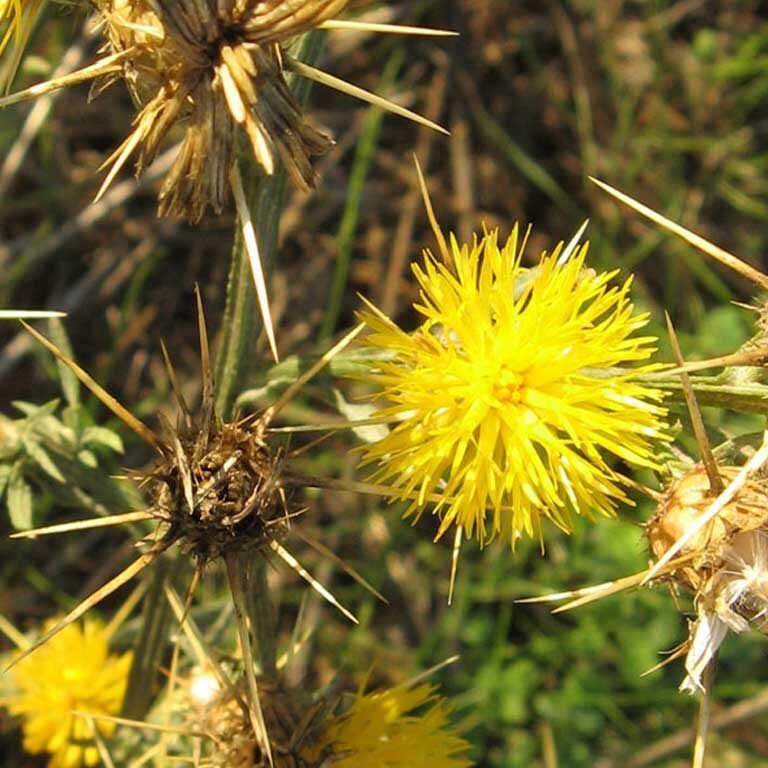
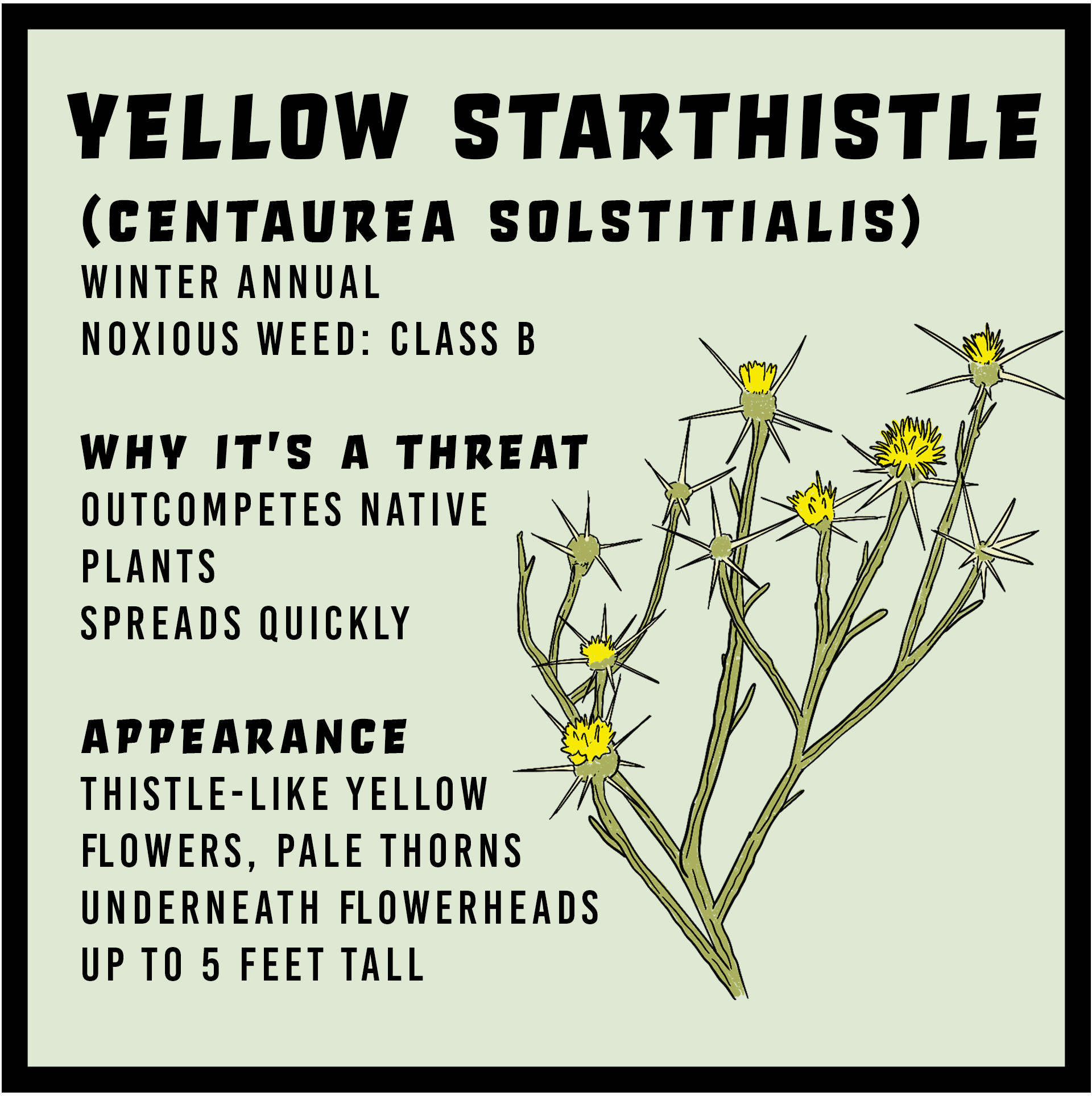
Yellow Starthistle
Yellow Starthistle (Centaurea solstitialis) is native to the Mediterranean region and has become an invasive species in North America.