BOTANICAL NAME:
Bothriochloa ischaemum
OTHER COMMON NAMES:
Turkestan beard grass; King Ranch bluestem
FAMILY:
Poaceae – Grass Family
NATIVE REGION:
Native to Southern Europe, northern Africa, and Asia; introduced for forage and erosion control
HABITAT:
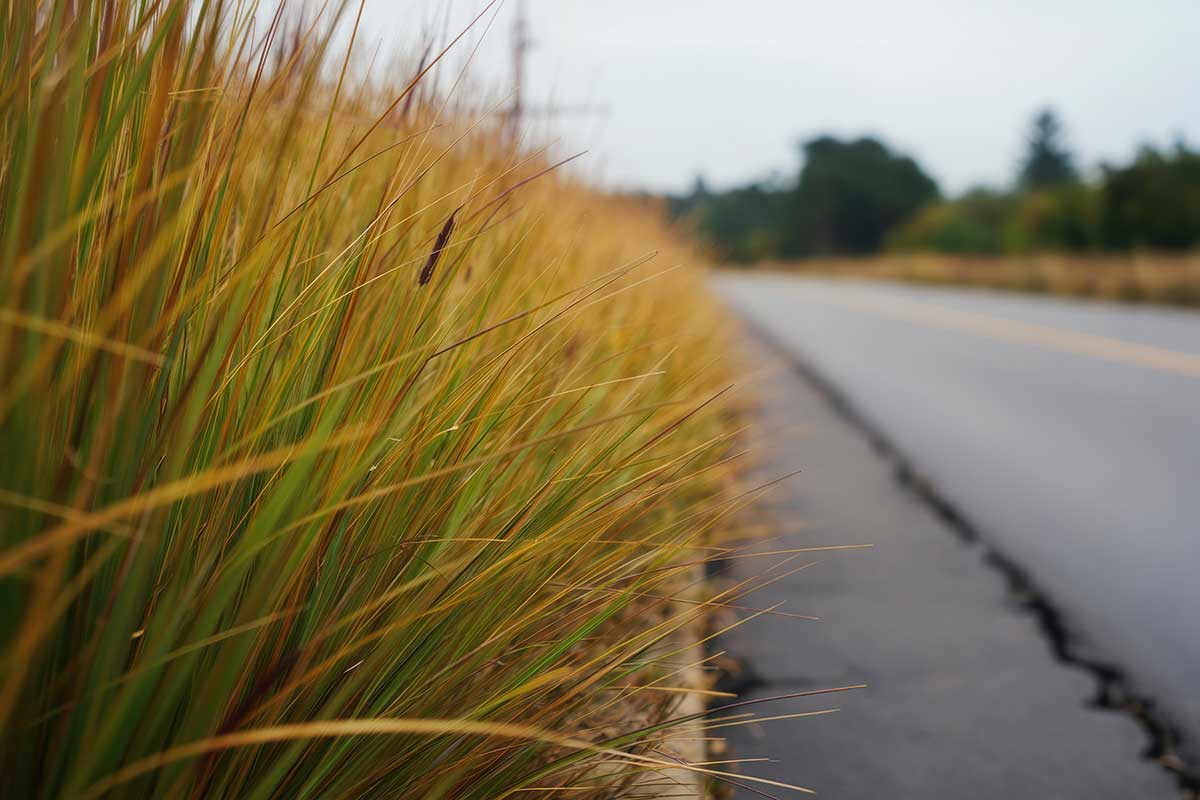
Found in disturbed areas, roadsides, and grasslands. Elevation range was up to 4,000′ but has recently been spotted growing in Northern AZ.
BLOOMS:
Late June through July
Yellow Bluestem (Bothriochloa ischaemum) is native to Asia and has become an invasive species in North America.
Yellow Bluestem is considered a problem due to its aggressive growth, rapid spread, and the ability to form dense stands, displacing native vegetation and impacting ecosystems. It is known for its ability to alter fire regimes and negatively affect biodiversity. The grass can outcompete native plants, reducing forage availability for wildlife and livestock.
Effective management strategies for Yellow Bluestem involve a combination of preventive measures, early detection, and control methods. Control may include manual removal, mowing, targeted herbicide application, and the restoration of native vegetation to restore and maintain ecosystem health. For specific guidance, please refer to the information on the USDA Forest Service website.
DESCRIPTION:
- Perennial grass that grows up to 4ft. tall
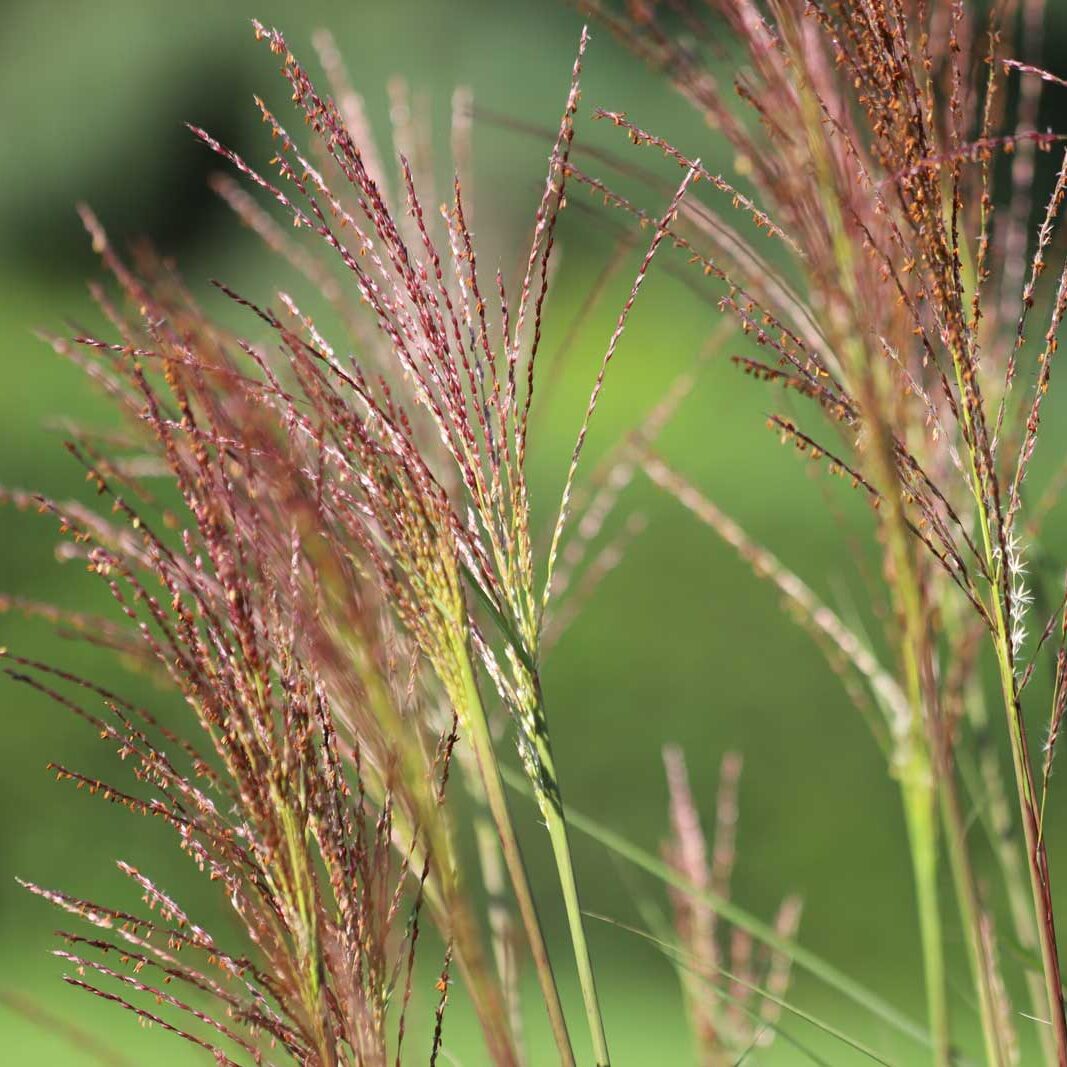
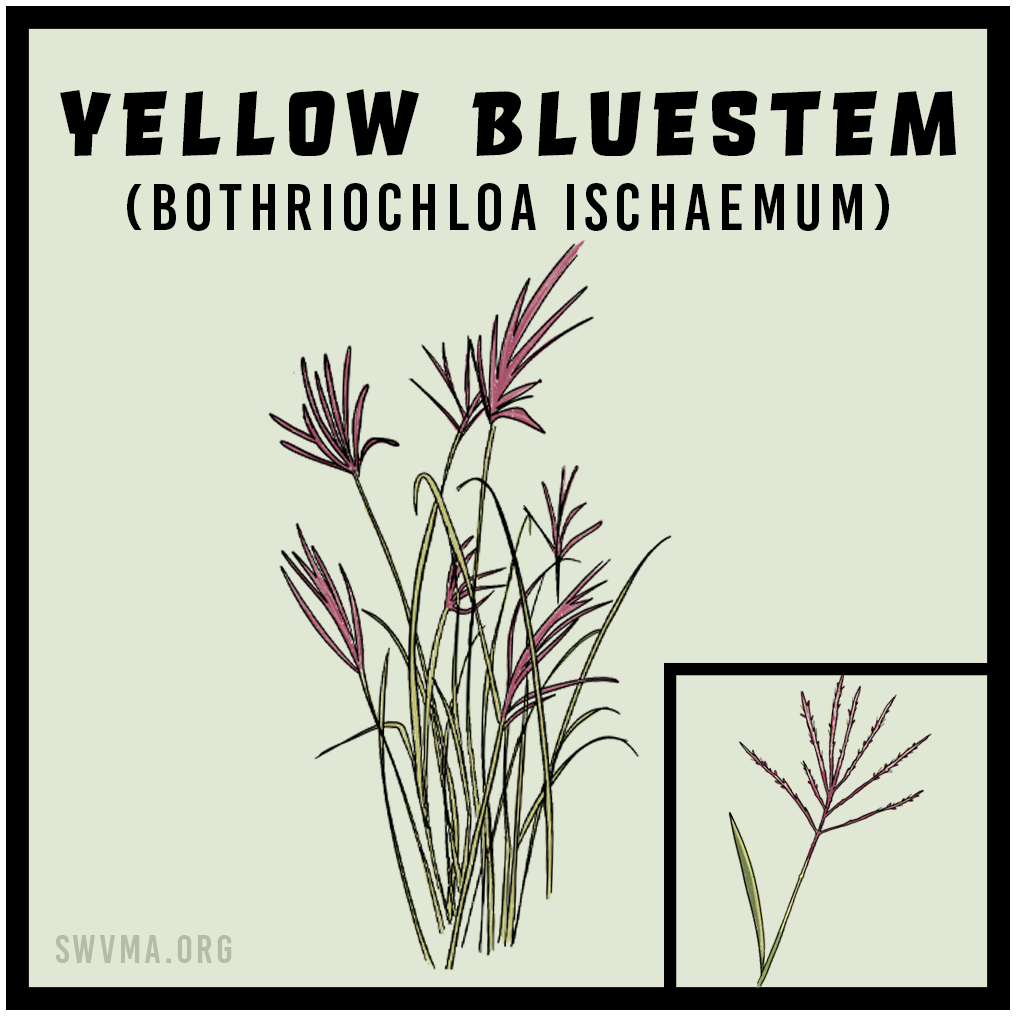
- Flower heads are a silvery, reddish purple. Seed heads are shaped like a “turkey foot”.
- Leaves are flat or folded, usually smooth and a yellow- green color. Scattered hair, parallel veins.
- Spreads aggressively with extremely dense roots Increases fuel load and fire risk; re-emerges readily after a burn
- This species forms huge monocultures, it is not favored by animals for forage, and it sheds chemicals that make the soil inhospitable for native plants
NATIVE REGION:
Native to Southern Europe, northern Africa, and Asia; introduced for forage and erosion control
HABITAT:
Found in disturbed areas, roadsides, and grasslands. Elevation range was up to 4,000′ but has recently been spotted growing in Northern AZ.
BLOOMS:
Late June through July
BEST TREATMENT OPTIONS:
Mowing is generally not recommended. Prescribed fire in dry conditions can be effective but hazardous. A mixture of Bensulide, siduron, glyphosate, and imazapyr (0.28 L/ha) can be effective for control.
Credit: Department of Forestry and Fire Management and Desert Defenders CAZCA